
REVIEW · SARAJEVO TOURS
Sarajevo: Islamic Traditions and Daily Life Tour
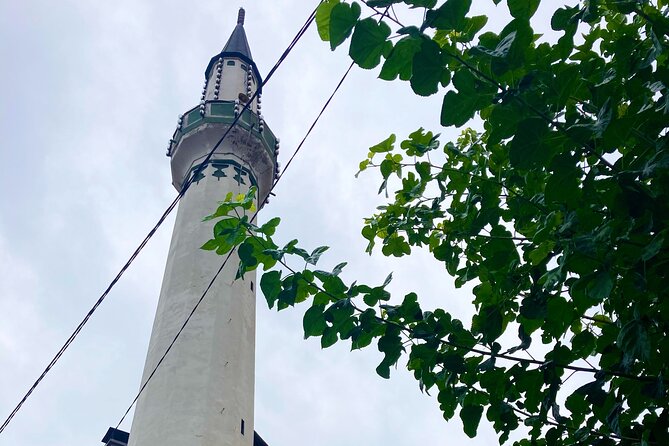
Sarajevo’s Islamic story is written into its streets. This two-hour walking tour links sacred sites, Ottoman buildings, old markets, and everyday traditions in a clear introduction to the city’s Muslim heritage. I like the way it connects major sights with ordinary daily life, and I also like that a certified guide leads the walk in English rather than leaving you to piece the story together alone. The main caution is the uphill walking, plus extra entrance fees at two important stops.
The tour costs $30.04 per person and begins at 10:00 am near the center of Sarajevo. Guides such as Suad and Fuad have been praised for being friendly, thoughtful, and easy to talk with. One guide even spent extra time suggesting places to eat, while another shared coffee with a participant. Those personal touches can make the walk feel less like a lecture and more like a conversation about the city.
In This Review
- Key things to know before booking
- Why this walk gives Sarajevo useful context
- Starting at Mejdan Park and the Jedileri Sanctuary
- The Emperor’s Mosque and Sarajevo’s early Muslim identity
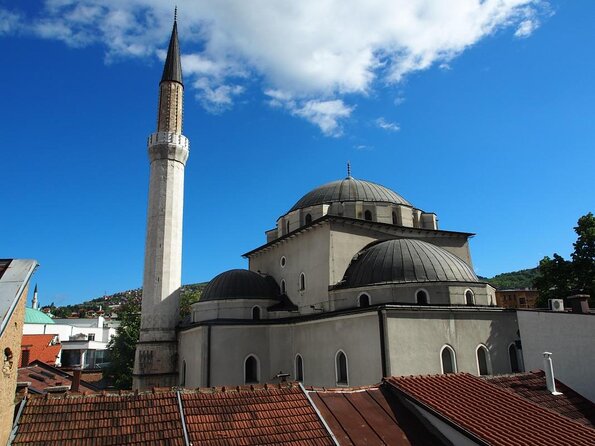
- Gazi Husrev-beg Mosque, the tour’s main religious stop
- The lunar clock and Gazi Husrev Begova Medresa
- Svrzo’s House shows how people lived
- The Faculty of Islamic Studies and Baščaršija
- Sebilj Fountain and Bravadžiluk Street
- Alifakovac Cemetery and Morića Han
- What the $30.04 price really covers
- Who should book this Sarajevo walk?
- Should you book the Islamic Traditions and Daily Life Tour?
- FAQ
- How long is the Sarajevo Islamic Traditions and Daily Life Tour?
- What time does the tour start?
- Where does the tour begin and end?
- Is the tour offered in English?
- Are entrance fees included?
- How many people can join the tour?
- Can I cancel for a full refund?
Key things to know before booking
- Sarajevo’s Islamic story begins at Mejdan Park, where the city was officially established and where residents once gathered for social life.
- You visit both sacred spaces and ordinary homes, including the Jedileri Sanctuary, Gazi Husrev-beg Mosque, and Svrzo’s House.
- The tour explains Ottoman Sarajevo through architecture, with mosques, a madrasa, an inn, a clock tower, a cemetery, and the old bazaar.
- Svrzo’s House is one of the best stops for daily life, showing how an 18th-century Muslim household was arranged.
- Expect some uphill walking, so comfortable shoes matter more than stylish ones.
- Budget 13 BAM in extra admission fees, or about 7.50 euros, for Svrzo’s House and the Gazi Husrev Bey Mosque and Museum.
Why this walk gives Sarajevo useful context
Sarajevo is easier to understand when you see its religious buildings alongside its markets, homes, schools, fountains, and coffee culture. This tour takes that broad approach. It does not focus only on mosque architecture. Instead, it shows how Islam shaped public life, education, trade, food, burial customs, and the layout of the old city.
That makes the walk a strong choice early in your stay. You get a map of the historic center, both in the practical sense and the cultural one. The included city map is a small but useful extra, especially if you plan to return to Baščaršija on your own.
The route is designed for up to 25 people, although one participant had a private walk because nobody else joined that departure. You should not count on having a private guide, but the maximum group size is still manageable for an urban walking tour.
A few more of this kind worth a look:
- Sarajevo: Mostar, Konjic, Blagaj Tekke, Pocitelj & Waterfall
★ 4.9 · 1,335 reviews - Fall of Yugoslavia, Sarajevo War Tour with Tunnel of Hope Museum and Frontlines
★ 5.0 · 1,314 reviews - Sarajevo: Mostar, Konjic, Sufi House, Pocitelj & Kravice Falls
★ 5.0 · 1,179 reviews
Starting at Mejdan Park and the Jedileri Sanctuary
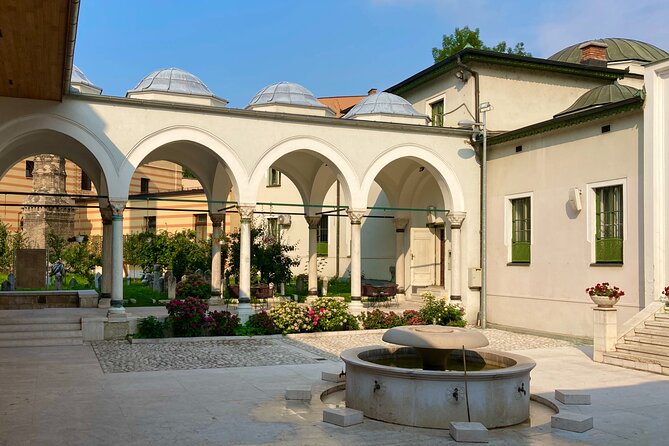
The walk begins at Sarajevo Insider, at Zelenih beretki 30, and heads to Mejdan Park. This is not simply a patch of green space. It is presented as the historic place where Sarajevo was officially established, as well as a gathering point for social activity.
I appreciate starting here because it gives the rest of the walk a clear foundation. Before you look at grand mosques or Ottoman buildings, you learn where the city began to take shape and how public space mattered to local life.
The next stop is Turbe sedam braće, also called the Jedileri Sanctuary. This sacred site is tied to Muslim spiritual life in Bosnia. The stop itself is brief, about five minutes, but the subject gives your guide room to explain how religious sites can function as places of remembrance, prayer, and local tradition.
Neither Mejdan Park nor Jedileri has an admission charge. These short stops also help keep the tour moving. You are not spending the whole morning inside museums, but moving through the city and seeing how religious landmarks fit into the streets around them.
The Emperor’s Mosque and Sarajevo’s early Muslim identity
The Emperor’s Mosque is described as Sarajevo’s oldest mosque. The guide also explains how Islamic heritage influenced the city’s name, giving this stop more meaning than a quick photo opportunity.
The planned visit lasts only about three minutes, so do not expect a long architectural study here. Its value comes from the historical link between the mosque and the city’s early development. This is one of those moments when a good explanation matters more than the amount of time spent inside or outside the building.
If you have never studied Bosnia and Herzegovina’s Muslim history, this is where the tour begins to show its central theme: Sarajevo’s Islamic identity is not a recent addition or a separate layer placed on top of the city. It is part of how Sarajevo developed.
Gazi Husrev-beg Mosque, the tour’s main religious stop
The Gazi Husrev-beg Mosque receives the longest scheduled visit, about 30 minutes. It is the central religious and cultural focus of the walk, and for good reason. The mosque is presented as a major symbol of Bosnia’s Islamic heritage and community life.
This is likely to be the most important stop for anyone primarily interested in mosque architecture or religious practice. Your guide can place the building within Sarajevo’s wider story, rather than treating it as an isolated monument.
Admission to the Gazi Husrev Bey’s Mosque and Museum is not included. The listed fee is 8 BAM per person, about 4.50 euros. That is a reasonable extra cost if you want the fuller visit, but you should know about it before arriving with only the tour price in mind.
Dress and conduct should suit a religious site. The supplied information does not specify a formal dress code, so your guide is the best person to ask before entering. The tour is open to Muslims and non-Muslims, and one especially positive account describes it as welcoming to both.
Something different, still around Sarajevo:
- ROSES OF SARAJEVO (Official WAR + CITY tour)- Story of a Survivor
★ 5.0 · 770 reviews - Sarajevo: Mostar, Konjic, Počitelj, Sufi House, & Waterfalls
★ 4.9 · 572 reviews - Tunnel Museum: Bosnian & Yugoslav Wars Tour with War Veteran
★ 5.0 · 551 reviews - Sarajevo: 2 Hours Old Town Walking Tour With Local Guide
★ 5.0 · 505 reviews
The lunar clock and Gazi Husrev Begova Medresa
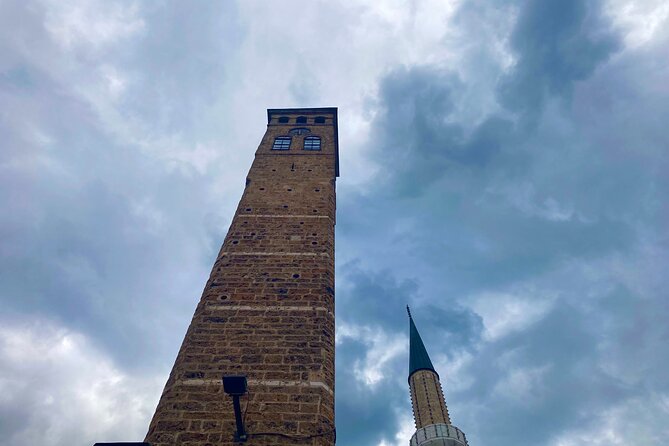
Near the mosque, you see Sarajevo’s historic Clock Tower, a rare lunar clock. It follows the Islamic lunar calendar, giving the city a striking example of tradition meeting practical timekeeping.
The tower receives no separate duration in the schedule, but it adds a useful detail to the walk. You are not just seeing an old clock. You are learning that time itself was once marked according to a different religious and social system.
The next major stop is Gazi Husrev Begova Medresa, Sarajevo’s first Islamic high school. It dates to 1537 and reflects the educational work of Gazi Husrev-beg, one of the city’s major benefactors.
The visit lasts about 10 minutes. That is enough for an introduction, though not a full tour of Islamic education in Bosnia. I like this stop because it widens the story beyond worship. Mosques served religious needs, but schools helped shape scholarship, public service, and community life.
Svrzo’s House shows how people lived
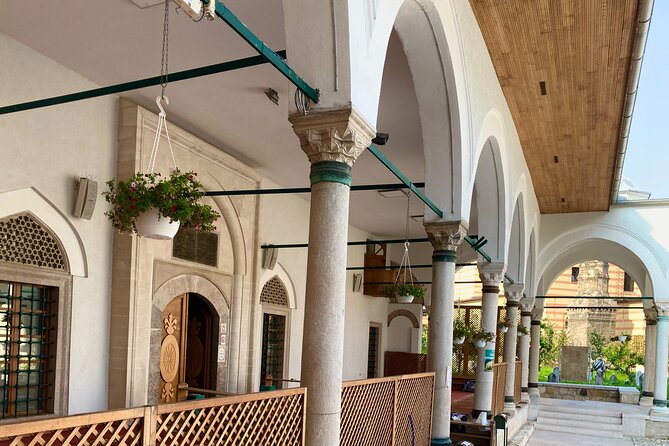
Svrzo’s House is one of the strongest stops for anyone curious about daily life. This well-preserved Ottoman home shows how a Muslim household in Bosnia was organized during the 18th century.
You spend about 20 minutes here. That is long enough to look at the house as a living arrangement rather than just an old building. Rooms, household design, and the separation of functions help you picture the people who lived there.
The stop was singled out as a favorite by one participant, along with the madrasa. I can understand why. Grand religious buildings explain public values, but a home explains how those values appeared in private life.
Admission is not included, and the entrance fee is 5 BAM, about 3 euros per person. For many visitors, this is worthwhile. If you are watching every mark, you can still gain plenty from the exterior and the guide’s explanation, but the interior gives the stop its real force.
Be aware that the tour involves walking uphill. Svrzo’s House and the surrounding streets can make the route feel more demanding than the two-hour duration suggests. Comfortable shoes are a practical requirement, especially if you are also exploring Sarajevo on foot afterward.
The Faculty of Islamic Studies and Baščaršija
The Faculty of Islamic Studies at the University of Sarajevo provides a modern counterpoint to the Ottoman buildings. Its design combines Neo-Moorish-inspired elements with contemporary features, linking education, architecture, and cultural identity.
The scheduled stop is only about one minute, so this is mainly an exterior viewing point. Still, it helps show that Islamic architecture in Sarajevo is not limited to the Ottoman period. The city continues to express its Islamic identity through newer institutions as well.
From there, the tour moves into Baščaršija, Sarajevo’s old bazaar. The 20-minute walk through this district brings you back to trade and street life. Cobblestones, craft shops, small businesses, and old commercial routes make the area an essential part of the story.
This is where the tour’s focus on daily life becomes especially clear. Religion, commerce, food, and social contact have long shared the same streets. Baščaršija is not just a preserved historic quarter. It is also the part of Sarajevo where the old city is easiest to feel under your feet.
Sebilj Fountain and Bravadžiluk Street
The Sebilj Fountain is one of Sarajevo’s best-known symbols. The stop lasts about one minute, but the guide uses it to explain its place in Muslim traditions. You may also have the chance to drink its water, which adds a simple, local ritual to the visit.
The fountain sits in a busy part of Baščaršija, so this is a quick orientation stop rather than a quiet pause. Keep your belongings close in crowded areas, and be ready for people, shopfronts, and foot traffic around the square.
Bravadžiluk Street receives about 20 minutes. Here, the focus shifts to Muslim culinary traditions and local crafts. This is useful for anyone who wants the tour to go beyond history books and monuments.
You should treat this stop as a chance to notice what people eat and make, not as a formal food tasting. The supplied details do not promise included food or tastings. Your guide may help you understand the dishes and point out places worth returning to later, as one guide did for a participant looking for good meals.
Alifakovac Cemetery and Morića Han
Alifakovac Cemetery is an optional stop. You spend only about two minutes there, but the setting offers a quiet pause from the market streets. The cemetery is associated with notable Muslims in Bosnia and gives you another way to consider Sarajevo’s Islamic past through memory and burial customs.
Because the stop is optional and brief, it may depend on the pace of the group and your interest. It is best suited to people who appreciate places of reflection rather than those looking only for major monuments.
The final listed stop is Morića Han, the best-preserved Ottoman inn in Sarajevo. It once served Muslim travelers and merchants moving through the city. The visit lasts about three minutes, so expect a concise introduction rather than a lengthy historical presentation.
Even with little time, the han completes the tour’s main idea. You have seen where people prayed, studied, lived, traded, ate, gathered, and rested. That range makes the tour more useful than a simple mosque-hopping walk.
What the $30.04 price really covers
At $30.04, the tour offers a certified English-speaking guide, a city map, and about two hours of focused walking. The price is fair if you want context and a planned route through several important sites.
The extra fees are modest but should be included in your budget:
- Svrzo’s House: 5 BAM, about 3 euros
- Gazi Husrev Bey’s Mosque and Museum: 8 BAM, about 4.50 euros
The two-hour schedule is tightly arranged. Several stops last only one to five minutes, while Gazi Husrev-beg Mosque and Svrzo’s House receive the most attention. If you prefer slow photography, long museum visits, or extended time at each building, you may find the pace brisk.
The tour normally takes place with up to 25 participants. It is offered in English, uses a mobile ticket, and ends back at the starting point. The meeting point is near public transportation, which makes the start fairly simple to reach.
Who should book this Sarajevo walk?
I would choose this tour if you want a strong introduction to Sarajevo’s Islamic traditions without committing to a full-day program. It suits first-time visitors, people interested in Ottoman architecture, and anyone curious about how religion shaped education, homes, trade, and food.
It is also a good fit for non-Muslims who want respectful background before visiting mosques independently. The tone appears open and conversational, and participants have felt comfortable asking questions. Muslims visiting Sarajevo may also value the specific attention given to sacred sites and local religious customs.
You should think twice if hills are difficult for you, if you want extensive time inside each site, or if you dislike paying separate admission fees. Most people can participate, but the walking distance and uphill sections still matter.
Book at least a day ahead if you can. The tour is often reserved about 14 days in advance, which suggests that popular dates may fill early. You can cancel for a full refund up to 24 hours before the start time. Poor weather or failure to meet the minimum group size can lead to a new date, another activity, or a full refund.
Should you book the Islamic Traditions and Daily Life Tour?
Yes, if you want Sarajevo explained through more than famous buildings. The best parts are the clear religious context, Svrzo’s House, the madrasa, and the way the route connects mosques with markets and home life.
The walk is short, focused, and reasonably priced, but it is not a relaxed café stroll. Wear good shoes, bring a little extra cash for admissions, and allow for some uphill walking. If those details suit you, this is a smart way to begin your time in Sarajevo.
FAQ
How long is the Sarajevo Islamic Traditions and Daily Life Tour?
The tour lasts approximately two hours.
What time does the tour start?
The tour starts at 10:00 am.
Where does the tour begin and end?
It begins at Sarajevo Insider, Zelenih beretki 30, Sarajevo 71000, Bosnia and Herzegovina. The tour ends back at the same meeting point.
Is the tour offered in English?
Yes. The experience is offered in English.
Are entrance fees included?
No. Entrance to Svrzo’s House costs 5 BAM per person. Entrance to the Gazi Husrev Bey’s Mosque and Museum costs 8 BAM per person.
How many people can join the tour?
The group can include a maximum of 25 participants.
Can I cancel for a full refund?
Yes. You must cancel at least 24 hours before the scheduled start time for a full refund. Changes or cancellations made less than 24 hours before the start time are not accepted for a refund.
Just added around Sarajevo
- Srebrenica Genocide Tour from Sarajevo★ 4.5 · 3 reviews
- Mountain Village Lukomir Full Day Adventure Tour★ 5.0 · 3 reviews
- MTB Bjelasnica – Lukomir★ 5.0 · 3 reviews
- Herzegovina Tour from Sarajevo: Mostar, Počitelj, Blagaj, Kravice★ 5.0 · 3 reviews
- Sarajevo Under Siege: A City’s Struggle & Survival Tour★ 5.0 · 3 reviews
- Beautiful Bosnia 8 Days Tour Package★ 5.0 · 3 reviews
- Bosnian Kingdom Capitals: Travnik & Jajce Tour from Sarajevo★ 5.0 · 3 reviews
- Walking Tour in Sarajevo★ 5.0 · 3 reviews
Sarajevo Tours, compared.
Mostar, Konjic, Blagaj Tekke, Pocitelj & Waterfall
Read our review →
Fall of Yugoslavia, Sarajevo War Tour with Tunnel of Hope Museum and Frontlines
Read our review →
Mostar, Konjic, Sufi House, Pocitelj & Kravice Falls
Read our review →
ROSES OF SARAJEVO (Official WAR + CITY tour)- Story of a Survivor
Read our review →
Mostar, Konjic, Počitelj, Sufi House, & Waterfalls
Read our review →
Tunnel Museum: Bosnian & Yugoslav Wars Tour with War Veteran
Read our review →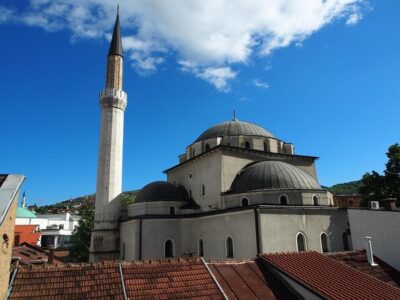
Mostar, Konjic, Dervish House, Pocitelj & Kravica Falls
Read our review →Browse the lists this tour appears in