
REVIEW · BOSNIAN WAR HISTORY TOURS
Tunnel Museum: Bosnian & Yugoslav Wars Tour with War Veteran
Sarajevo’s streets carry a difficult memory. This four-hour tour connects the city’s wartime landmarks with the personal stories of guides such as Adis, Ibrahim, Enes, Mustafa, and Haris, several of whom lived through the Siege of Sarajevo. I especially like the firsthand storytelling and the chance to see several important sites in one air-conditioned vehicle. The main drawback is that the Tunnel Museum admission is not included in the $36.28 price, and the subject matter is intense.
I also like the sensible route: you begin in central Sarajevo, travel along former front lines and Sniper Alley, visit the Tunnel Museum, then reach Trebević for broad views over the city. You should allow extra emotional space for this experience. It is not a light sightseeing ride, although the guides often add warmth, humor, and personal detail.
In This Review
- Key points to know before booking
- Why this Sarajevo war tour matters
- Starting in central Sarajevo
- Markale, the Eternal Flame, and Sniper Alley
- Inside the Sarajevo War Tunnel Museum
- Trebević and the Olympic connection
- Sarajevo’s Jewish Cemetery
- The Yellow Fortress and the final city view
- Guide quality and group atmosphere
- Price, timing, and practical value
- Who will get the most from this tour
- Should you book the Tunnel Museum tour?
- FAQ
- How long does the tour last?
- Where does the tour start and end?
- Is hotel pickup available?
- Is hotel drop-off included?
- Is Tunnel Museum admission included in the price?
- What language is the tour offered in?
- Can I cancel for a full refund?
Key points to know before booking
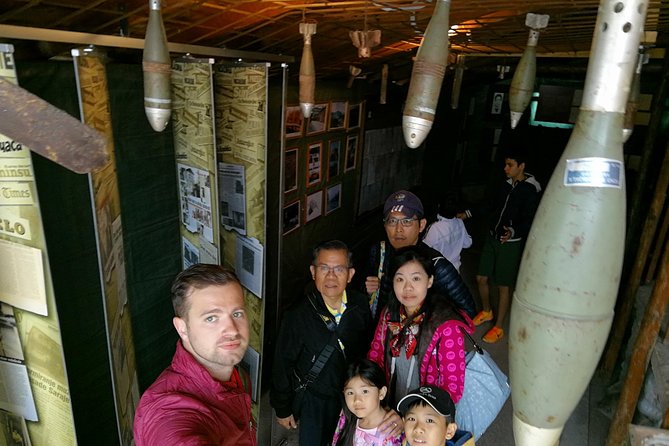
- Personal wartime accounts: Guides including Adis, Ibrahim, Enes, and others explain how the siege affected ordinary families and young people.
- Tunnel Museum focus: A short film and roughly one hour of explanation cover the breakup of Yugoslavia, the Bosnian War, and the tunnel’s role.
- Several major viewpoints: You see former danger zones, Trebević, the Jewish Cemetery, and the Yellow Fortress.
- Comfortable transport: The tour uses an air-conditioned car or minivan, with a maximum group size of 20.
- Hotel pickup option: Pickup is available if you stay outside Sarajevo’s Old Town, but hotel drop-off is not included.
- Strong value for a half-day: At $36.28 per person, the price covers transport and guiding, but you pay separately for Tunnel Museum admission.
Why this Sarajevo war tour matters
Sarajevo is easy to admire as a city of Ottoman lanes, Austro-Hungarian buildings, cafés, and mountain views. Yet much of its modern identity was shaped by the siege that lasted more than three years. A regular city stroll can show you the scars, but it may not explain how the city became surrounded, how civilians moved through danger, or why one narrow tunnel mattered so much.
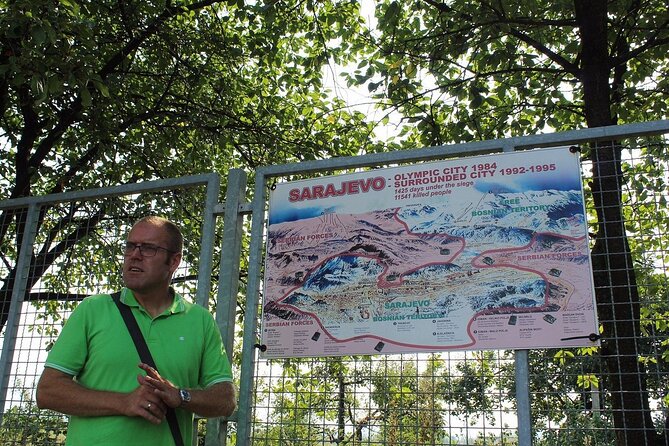
That is the real purpose of this outing. You are not simply checking off a museum and a viewpoint. You are given a framework for understanding the places outside the Old Town, including the roads where civilians faced sniper fire and the mountain positions used by enemy forces.
The strongest part is the guide’s personal connection. Adis was in high school when he became involved with the Bosnian forces defending Sarajevo. He later worked in de-mining Bosnia. Other guides, including Enes, Ibrahim, Mustafa, Aid, Asim, and Haris, have also been praised for explaining the war through personal memories, local knowledge, and patient answers.
That human voice matters. The war in Bosnia can seem confusing when reduced to political names and dates. A guide who explains how normal life changed, how families coped, and how people moved through the city gives the history a more understandable scale.
More war history tours:
- Fall of Yugoslavia, Sarajevo War Tour with Tunnel of Hope Museum and Frontlines
★ 5.0 · 1,314 reviews - ROSES OF SARAJEVO (Official WAR + CITY tour)- Story of a Survivor
★ 5.0 · 770 reviews - Sarajevo War Tour: A Veteran’s Story of the Siege (fees included)
★ 5.0 · 326 reviews
Starting in central Sarajevo
The meeting information gives Velika avlija, Laure Papo Bahorete 2, as the start and end point. The directions also describe the beginning as in front of the Info Bosnia Tourist Information Center on Ferhadija, next to Sarajevo Meeting of Cultures. Since these details point to central Sarajevo but use different addresses, confirm the exact departure point when booking.
After introductions, you walk to the vehicle. The transport is an air-conditioned car or minivan, a welcome feature during warm weather and useful for reaching places that are too spread out for a simple walking tour. The maximum group size is 20, though some departures have been much smaller, including an eight-seat van and one private-feeling departure with only one person booked.
The drive toward the tunnel takes about 25 to 30 minutes. This is not dead time. Your guide begins explaining the war and points out buildings and locations connected with the conflict. Several of these places appear in the film at the museum, so the introduction helps you recognize what you are seeing later.
Markale, the Eternal Flame, and Sniper Alley
The route brings the war story into the city center before heading outward. You learn about the Markale massacres, two bombardments aimed at civilians during the Siege of Sarajevo. This is a difficult stop in the historical narrative, but it helps explain the danger that ordinary people faced in places meant for daily errands.
The Eternal Flame provides a different kind of context. This memorial honors military and civilian victims of the Second World War. It was dedicated on April 6, 1946, the first anniversary of Sarajevo’s liberation from the four-year occupation by Nazi Germany and the fascist Independent State of Croatia.
The stop is useful because Sarajevo’s story did not begin in 1992. The city has endured several periods of conflict and political change, and the Eternal Flame places the later war within that longer public memory.
You also pass along the streets known as Sniper Alley, mainly Zmaja od Bosne Street and Meša Selimović Boulevard. During the Bosnian War, sniper positions around the high-rise buildings made this major boulevard dangerous for civilians crossing the city.
The road connected the industrial part of Sarajevo, the airport, and the tunnel area with the historic center. Your guide explains how its position and surrounding buildings created broad lines of fire. From a vehicle, the route may look ordinary. That contrast is part of its force. You see a normal city artery while learning how frightening it once was to cross.
The route also includes a Sarajevo museum associated with archaeology, art history, ethnology, geography, history, and natural history. The Sarajevo Haggadah, an illuminated manuscript produced in Barcelona around 1350, is held there. The tour information does not promise a museum visit, so treat this as part of the passing commentary rather than planning your day around an interior tour.
Inside the Sarajevo War Tunnel Museum
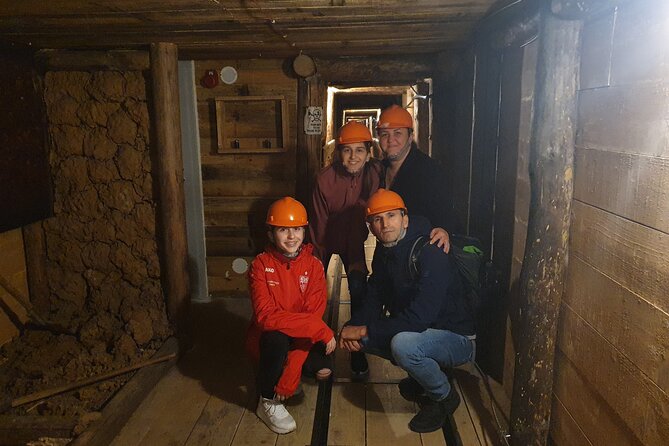
The Tunnel Museum is the central stop. Admission is not included, so budget for the separate entrance fee. The visit includes an explanation of the Sarajevo Rose near the entrance, followed by a short film.
The film shows locations that your guide has already introduced on the drive. That structure works well because you are not meeting the war as a string of unfamiliar names. You have already seen some of the roads, buildings, and hills tied to the story.
After the film, the main presentation lasts about one hour. It covers the fall of Yugoslavia, the wars in Slovenia and Croatia, the war in Bosnia and Herzegovina, and the construction and importance of the tunnel.
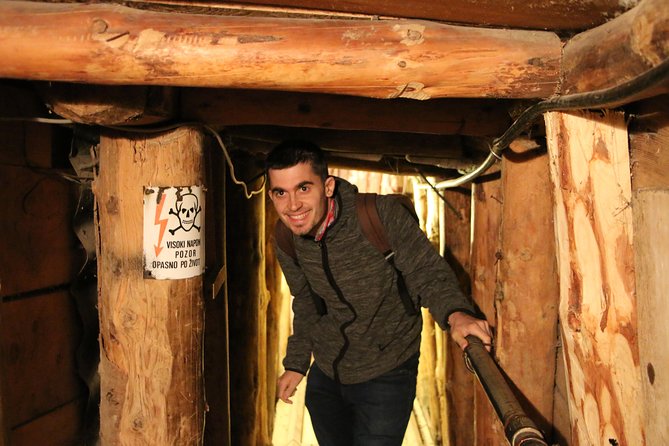
The tunnel linked Sarajevo with a small part of the surrounding countryside controlled by Bosnian forces. It provided a route for supplies, weapons, and people during the siege. The museum gives you a physical sense of how limited that passage was, while the guide explains its wider role in keeping the city connected.
This is where the tour becomes especially personal. Guides explain what the siege meant for their families and for daily life inside a surrounded city. One account describes a guide who was still a high-school student when he joined the defense of Sarajevo. Such details can make the hour feel less like a lecture and more like a conversation with someone who remembers the period directly.
You should expect a serious visit. The subject includes civilian deaths, shelling, snipers, displacement, and the destruction of Sarajevo. The tour is suitable for adults and older children who can handle difficult material, but the supplied rules state that children must be accompanied by an adult.
More Yugoslav-era history tours:
- Sarajevo Grand Tour: Old Town, War Tunnel, Olympic Sites & More
★ 5.0 · 73 reviews - Utopia of Tito’s Yugoslavia, Tito’s Bunker & Siege of Sarajevo
★ 5.0 · 35 reviews - Sarajevo: Olympic Mountains and Spring of Bosna River Tour
★ 5.0 · 25 reviews - Cable Car Olympic Tour With Museum
★ 5.0 · 17 reviews
Trebević and the Olympic connection
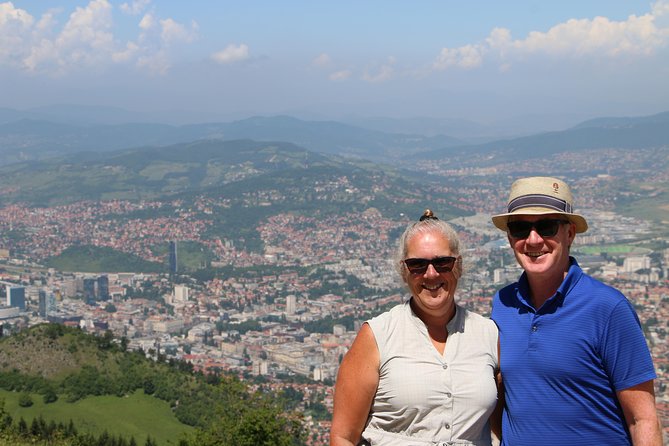
After the museum, the vehicle climbs toward Trebević, the mountain closest to central Sarajevo. Trebević was connected with the 1984 Olympic Games and later became a front-line position during the siege.
The stop lasts about 30 minutes. You have time to walk around the former hotel restaurant known as 8 and take in the panoramic view of Sarajevo. The setting is striking because the same mountain that offered recreation and city views also served as a major military position.
Some departures include the Olympic bobsled and luge area on the mountain. The supplied route specifically describes the hotel restaurant and the panoramic viewpoint, while several accounts also mention seeing the bobsled track. The exact walking portion may vary, so ask your guide what is included on your departure.
The view is one of the tour’s lighter moments, but it is not separate from the war story. From Trebević, you can understand why the mountain mattered strategically. Your guide identifies the positions used by enemy forces and explains how the height shaped the siege.
Wear shoes suitable for moderate walking. The tour requires a moderate level of physical fitness, and you will get in and out of the vehicle several times. The schedule is not designed as a strenuous hike, but it is more active than a purely scenic drive.
Sarajevo’s Jewish Cemetery
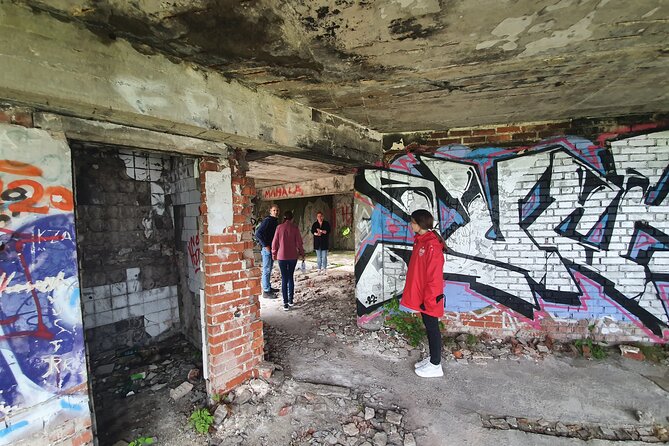
Below Trebević, the tour visits Sarajevo’s Jewish Cemetery, described as the second-largest Jewish cemetery in Europe. Its tombstones have distinctive forms associated with Bosnia and Herzegovina, and their shape is thought to have been influenced by medieval Bosnian tombstones known as stećak.
This is a quieter stop. It adds cultural and religious depth to the tour and reminds you that Sarajevo’s identity has never been limited to one group. The cemetery also carries visible wartime damage, including bullet holes in at least one gravestone.
You should not expect a long cemetery visit. The scheduled stop is about 20 minutes, enough to look around and hear the explanation. Dress respectfully and be prepared for uneven ground or a short walk.
The Yellow Fortress and the final city view
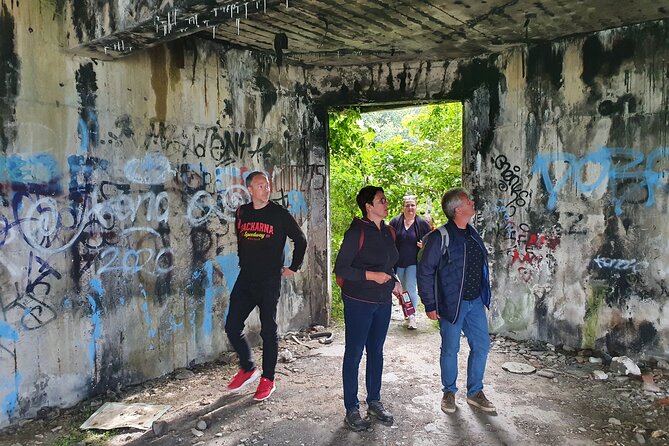
The final listed stop is the Yellow Fortress, above Sarajevo’s old Ottoman quarter. From here, you can look toward the Soldiers’ Cemetery and the resting place of Bosnia’s first president.
The fortress gives you a useful closing view. Earlier, you saw Sarajevo from roads and mountain positions connected with the siege. Here, you look back toward the city’s historic core and connect the Ottoman quarter with the modern war story.
The visit lasts about 20 minutes. It is a compact stop, but a good one for photographs and for gathering the route’s main themes. You have seen the city as a cultural center, a trapped community, a military target, and a place rebuilding its daily life.
The tour then returns to the central meeting point. Hotel drop-off is not included, so if you are staying outside the center, plan your return from the end point.
Guide quality and group atmosphere
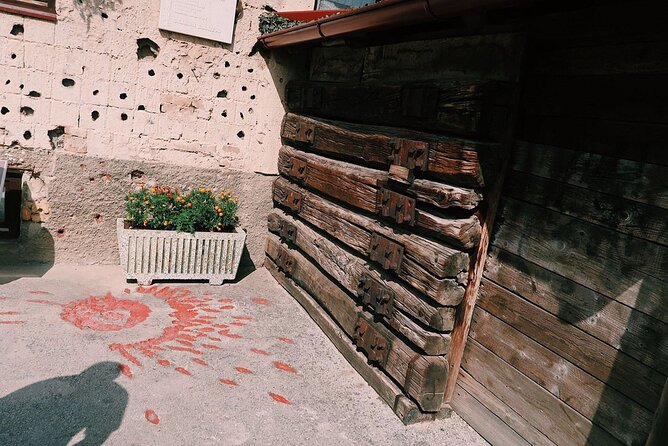
The guide can make or break a war-history tour, and this experience depends heavily on that person. The strongest praise goes to guides who combine clear explanations with personal memories and a relaxed manner.
Adis is repeatedly singled out for explaining both the defense of Sarajevo and later de-mining work. Ibrahim is praised for remembering group members’ names, answering questions, and adding humor without making the subject feel trivial. Enes receives strong praise for charisma, direct answers, and personal stories. Mustafa, Aid, Asim, Haris, Adnan, and others are also described as friendly, prepared, and engaged.
That range of guides means your exact experience will vary. The common strength is not one scripted personality. It is the ability to explain a complicated period in plain language and connect large events with specific streets, buildings, and family experiences.
The group size can also vary. The stated maximum is 20, but some departures have used a small eight-seat van, and at least one person received a tour alone when no one else had booked that time. A smaller group gives you more room for questions and a closer exchange with the guide.
Price, timing, and practical value
At $36.28 per person, this is a strong half-day value if you want transport, several city viewpoints, and a guide who can explain the war in context. You are covering a wide area, from central Sarajevo to the airport-side tunnel and Trebević, without arranging separate taxis or trying to understand the route alone.
The price includes the driver-guide and air-conditioned transport. It does not include food, Tunnel Museum admission, or hotel drop-off. There is no meal stop listed, so eat before departure if you need a proper meal during the four-hour outing.
The tour is offered in English and uses a mobile ticket. Confirmation is provided when you book. Free cancellation is available until 24 hours before the start time. A cancellation less than 24 hours before departure is not refundable, and the operator may cancel if the minimum number is not met, offering another date, another experience, or a full refund.
Book ahead if your schedule is tight. The average booking time is eight days before departure, which suggests this is not always a last-minute activity, especially during busy periods.
Who will get the most from this tour
I would choose this tour if you want to understand Sarajevo beyond its cafés and historic lanes. It suits anyone interested in the breakup of Yugoslavia, modern European history, military history, or the way civilians survive a long siege.
It is also a good choice if you have only a few days in Sarajevo. You see several important areas in four hours, and the vehicle saves you time and energy. The tour can also help you decide which sites deserve a longer independent visit.
You may want a different activity if you are seeking a relaxed sightseeing outing with little difficult material. The stories are emotional, the Tunnel Museum deals directly with wartime suffering, and the personal accounts can stay with you after the tour ends.
Should you book the Tunnel Museum tour?
Yes, if you want a serious, well-paced introduction to Sarajevo’s wartime past. The best reason to book is the combination of the Tunnel Museum and a guide with direct experience of the conflict. The views from Trebević, the Jewish Cemetery, Sniper Alley, and the Yellow Fortress make the history easier to place on the ground.
Before booking, confirm the meeting address, remember that museum admission costs extra, and leave room in your day for a heavy subject. If that suits your interests, $36.28 buys a useful four-hour overview with transport, several important stops, and a human explanation that a museum display alone cannot provide.
FAQ
How long does the tour last?
The tour lasts approximately four hours.
Where does the tour start and end?
The activity begins and ends in central Sarajevo. The provided meeting details name Velika avlija, Laure Papo Bahorete 2, while the directions also refer to the Info Bosnia Tourist Information Center on Ferhadija next to Sarajevo Meeting of Cultures. Confirm the exact meeting point when booking.
Is hotel pickup available?
Hotel pickup is available for people staying outside Sarajevo’s Old Town.
Is hotel drop-off included?
No. The tour ends back at the meeting point, and hotel drop-off is not included.
Is Tunnel Museum admission included in the price?
No. Admission to the Sarajevo War Tunnel Museum is not included.
What language is the tour offered in?
The tour is offered in English.
Can I cancel for a full refund?
Yes. You can cancel at least 24 hours before the experience start time for a full refund. Cancellations made less than 24 hours before the start time are not refundable.
More museums and galleries
- Tunnel of Hope Museum Tour
★ 5.0 · 38 reviews - SARAJEVO CONCEPTUAL ART TOUR (galleries, art and arhitecture)
★ 5.0 · 7 reviews - Sarajevo: A City Under Siege – War Tour With Tunnel Museum
★ 5.0 · 4 reviews
Just added around Sarajevo
- Srebrenica Genocide Tour from Sarajevo★ 4.5 · 3 reviews
- Mountain Village Lukomir Full Day Adventure Tour★ 5.0 · 3 reviews
- MTB Bjelasnica – Lukomir★ 5.0 · 3 reviews
- Sarajevo Under Siege: A City’s Struggle & Survival Tour★ 5.0 · 3 reviews
- Herzegovina Tour from Sarajevo: Mostar, Počitelj, Blagaj, Kravice★ 5.0 · 3 reviews
- Beautiful Bosnia 8 Days Tour Package★ 5.0 · 3 reviews
- Bosnian Kingdom Capitals: Travnik & Jajce Tour from Sarajevo★ 5.0 · 3 reviews
- Walking Tour in Sarajevo★ 5.0 · 3 reviews
Bosnian War History Tours, compared.

Fall of Yugoslavia, Sarajevo War Tour with Tunnel of Hope Museum and Frontlines
Read our review →
ROSES OF SARAJEVO (Official WAR + CITY tour)- Story of a Survivor
Read our review →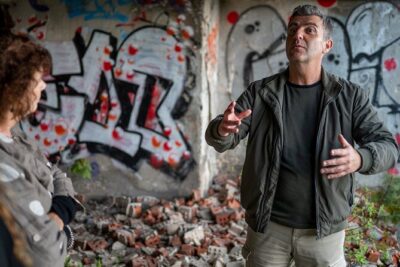
Sarajevo War Tour: A Veteran’s Story of the Siege (fees included)
Read our review →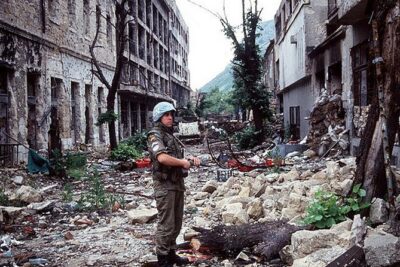
Break-up of Yugoslavia & The War in Mostar: Life Under Siege
Read our review →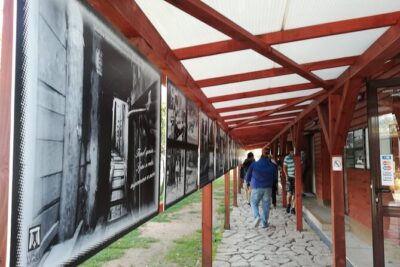
Sarajevo Grand Tour: Old Town, War Tunnel, Olympic Sites & More
Read our review →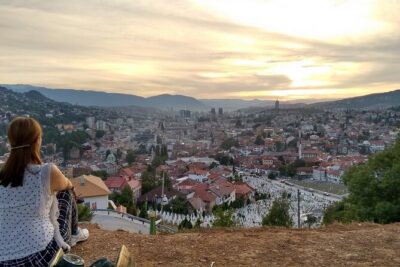
War Times Experience in Sarajevo – Half Day Tour
Read our review →Browse the lists this tour appears in