
REVIEW · BOSNIAN WAR HISTORY TOURS
Sarajevo Under Siege: A City’s Struggle & Survival Tour
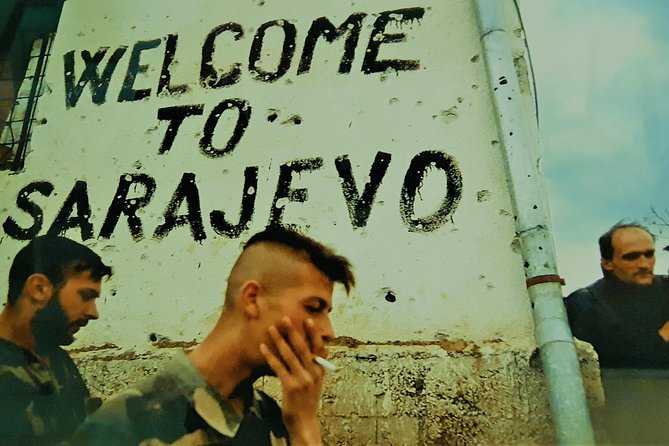
Sarajevo remembers in plain sight. This tour connects the city’s wartime scars with the people and choices behind them, making it a strong introduction to the 1992 to 1995 siege. I especially like the high viewpoint from the Yellow Fortress and the visit to the War Tunnel, two places that help you grasp both the city’s geography and its struggle to survive.
I also like the small-group limit of 10 people and the personal approach offered by guides such as Adnan and Safet. The main consideration is emotional weight: this is a serious history tour, not a light sightseeing outing, and the 3.5-hour schedule leaves little room to linger at every stop.
In This Review
- Key points to know before booking
- Why this Sarajevo tour matters
- Meeting in central Sarajevo at 10:30 am
- Starting at the Yellow Fortress
- Sniper Alley and the danger of an ordinary street
- Sarajevo Olympic Stadium and a broken symbol
- The Sarajevo War Tunnel and the city’s lifeline
- Sarajevo’s Jewish Cemetery and the human cost of war
- Sarajevo Roses and the marks left behind
- Understanding the breakup of Yugoslavia
- Dayton and Bosnia and Herzegovina today
- How the $45.38 price measures up
- Who will get the most from this experience?
- Should you book Sarajevo Under Siege?
- FAQ
- Where does the tour begin?
- What time does the tour start?
- How long does the experience last?
- Where does the tour end?
- Is transportation included?
- Is the War Tunnel entrance included?
- Are meals included?
- How large is the group?
- Can I cancel for a refund?
Key points to know before booking
- The Yellow Fortress gives you the essential city view: It is the first major stop and helps explain why Sarajevo’s position mattered during the siege.
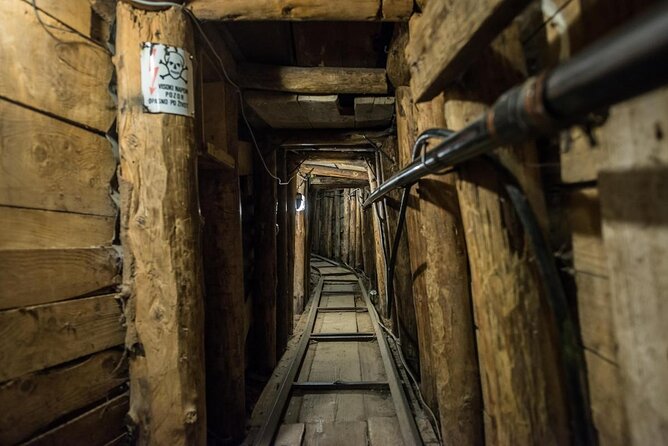
- The War Tunnel is the tour’s central visit: You spend about 50 minutes at the museum, with entrance included.
- Sniper Alley and Sarajevo Roses bring the story into the streets: These are not distant historical facts, but reminders tied to Sarajevo’s roads, buildings, and public spaces.
- The tour links war with the breakup of Yugoslavia: You learn why Bosnia and Herzegovina is often described as a small Yugoslavia and why independence came at such a high cost.
- Small groups should make discussion easier: The maximum is 10 people, and the guides Adnan and Safet have been praised for being friendly, helpful, and well informed.
- The price covers more than a basic walk: At $45.38 per person, transportation, guiding, and the tunnel entrance are included, though meals are not.
Why this Sarajevo tour matters
Sarajevo is a city where recent history is hard to keep at arm’s length. The subject is not confined to a museum display. Streets, cemeteries, sports grounds, and hills all form part of the story.
This tour is designed to explain how the siege shaped ordinary life from 1992 through 1995. It also steps back to discuss the breakup of Yugoslavia, the causes of the conflict, Bosnia and Herzegovina’s complicated mix of communities, and the Dayton peace accords.
I like that wider frame. A tour focused only on ruined buildings can leave you with powerful images but few answers. Here, you get an attempt to explain how political breakdown became a war, why Sarajevo was trapped, and how people tried to maintain daily life under extreme pressure.
The discussion also reaches beyond the war itself. You hear about life in Bosnia and Herzegovina today, including the difficulty of building a workable political solution after the fighting ended. That makes the experience useful for anyone who wants more than a collection of wartime landmarks.
More war history tours:
- Fall of Yugoslavia, Sarajevo War Tour with Tunnel of Hope Museum and Frontlines
★ 5.0 · 1,314 reviews - ROSES OF SARAJEVO (Official WAR + CITY tour)- Story of a Survivor
★ 5.0 · 770 reviews - Tunnel Museum: Bosnian & Yugoslav Wars Tour with War Veteran
★ 5.0 · 551 reviews
Meeting in central Sarajevo at 10:30 am
The tour begins at 10:30 am in front of the Toureedoo Sarajevo City Tours office at S.H., Muvekita 7. The meeting point is in central Sarajevo, and the activity ends back there after roughly three and a half hours.
That central start is convenient if you are already exploring the old city. You do not need to arrange a separate pickup based on the information provided. Transportation during the experience is included, which matters because the sights are spread across different parts of Sarajevo.
The group size is capped at 10 people. That is a useful middle ground. You avoid the feel of a large coach excursion, while still having enough company for a shared discussion. A smaller group also gives you a better chance to ask about a difficult subject without having to compete for the guide’s attention.
The tour uses a mobile ticket, and confirmation is provided when you book. Since the subject can be emotionally demanding, I would arrive ready for a focused morning rather than trying to fit this between several unrelated activities.
Starting at the Yellow Fortress
The Yellow Fortress is the first substantial stop, with about 15 minutes set aside for the visit. Its value is not simply the view. From this higher position, your guide can point out Sarajevo’s shape and explain how the surrounding hills affected the city during the siege.
This is a good opening because geography makes the later stops easier to understand. Sarajevo was not an abstract setting on a map. Its streets, slopes, and surrounding high ground shaped how people moved, hid, supplied one another, and faced danger.
You will get an introduction to the siege here before moving through the city. The short time is enough to orient you, but it is not designed for a long photo session or a detailed visit to the fortress itself. Keep your attention on the explanation. The view is useful because it gives the rest of the tour a visual framework.
I especially like this stop for first-time visitors to Sarajevo. If you arrive without much knowledge of the city, the Yellow Fortress can help you understand how close different areas are and why a normal walk through town could carry such serious risk.
Sniper Alley and the danger of an ordinary street
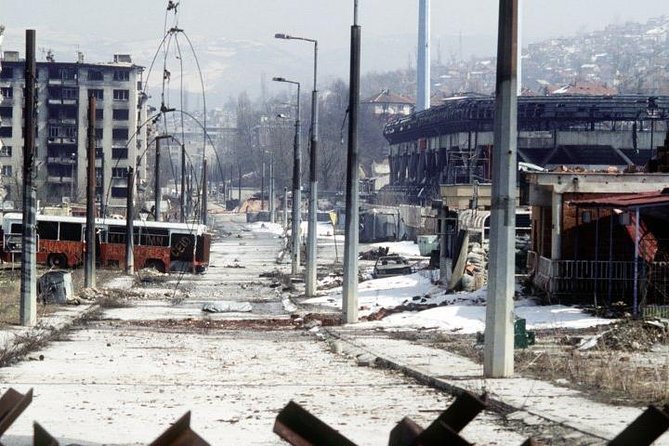
The tour includes Sniper Alley, described as the most dangerous street during the siege of Sarajevo. That label gives you a sense of the stop’s importance, but the real value comes from connecting the name to the city you are seeing around you.
A street can look ordinary today. That contrast is part of the lesson. Roads used for transport, errands, and daily work became places of fear. You are encouraged to think about what it meant to cross the city when movement itself could expose someone to danger.
The supplied schedule does not give a separate duration for this stop, so you should not expect a long standalone visit there. It is best understood as part of the route and the guide’s explanation of how the siege affected movement through Sarajevo.
This is also where a strong guide matters. Adnan has been praised for being friendly, helpful, and well informed about his city and country. Safet has also been praised for making a private tour feel both informative and pleasant company. Those qualities are especially important here, where facts need clear explanation and a respectful tone.
A few more of this kind worth a look:
- Sarajevo: Mostar, Konjic, Blagaj Tekke, Pocitelj & Waterfall
★ 4.9 · 1,335 reviews - Sarajevo: Mostar, Konjic, Sufi House, Pocitelj & Kravice Falls
★ 5.0 · 1,179 reviews - Sarajevo: Mostar, Konjic, Počitelj, Sufi House, & Waterfalls
★ 4.9 · 572 reviews - Sarajevo: 2 Hours Old Town Walking Tour With Local Guide
★ 5.0 · 505 reviews
Sarajevo Olympic Stadium and a broken symbol
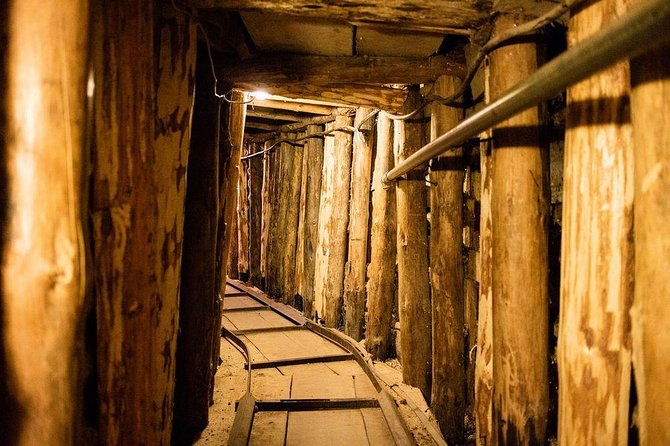
At Asim Ferhatovic Hase Stadium, you spend about 15 minutes learning about the Sarajevo Olympics and what happened to the famous stadium where the opening ceremony took place.
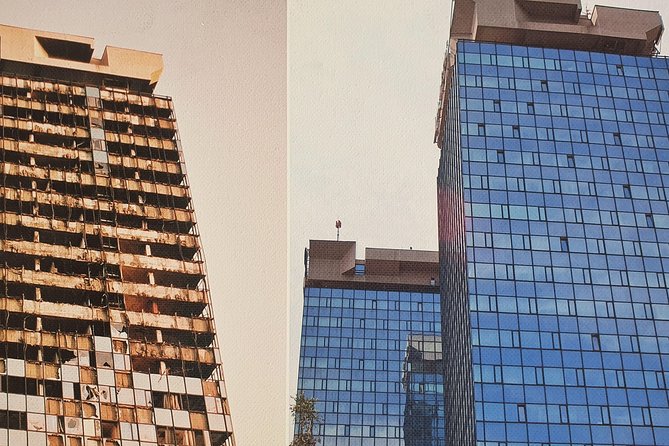
This stop adds an important before-and-after view. Sarajevo was known around the world for hosting the Winter Olympics, a moment linked with sport, international attention, and civic pride. The tour then asks you to consider what happened to that same place during the war.
I like this part because it prevents the siege from becoming the only story Sarajevo has. The city had an international identity before the conflict, and the Olympic site helps show what was lost when normal public life gave way to destruction and fear.
Fifteen minutes is enough for a concise explanation, but not a full stadium visit. The focus is historical context rather than an extended sports tour. If you are especially interested in the Olympics, you may want to visit other Olympic-related sites separately, since this experience is centered on the siege.
The Sarajevo War Tunnel and the city’s lifeline
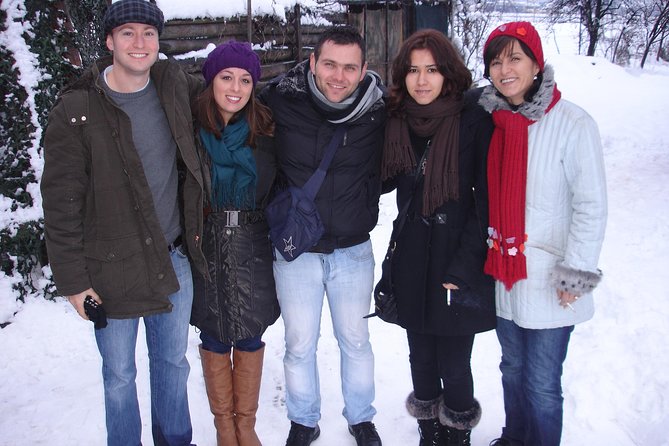
The War Tunnel is the longest stop, with about 50 minutes at the museum. Entrance is included, and this is likely to be the central point of the experience for many people.
The tunnel was dug during the Bosnian War beneath the airport area. It served as Sarajevo’s only connection with the rest of the world, making it far more than a construction project. It was a route for supplies, communication, and survival when ordinary access had been cut off.
The museum helps turn that idea into something tangible. You are not only hearing that the city was isolated. You are seeing the place built to keep a connection open.
The 50-minute visit gives your guide time to explain the tunnel’s role and answer questions. That is a worthwhile portion of the schedule. Still, remember that a museum devoted to wartime survival may feel stark and upsetting. The tour does not soften the subject into a simple adventure story, and that is one of its strengths.
Transportation and the entrance fee are included in the $45.38 price. When you add the guide, the small group, and several locations spread around Sarajevo, the cost feels reasonable for a focused half-day experience. It is not the cheapest way to spend a morning, but it offers more than an ordinary city walk.
Sarajevo’s Jewish Cemetery and the human cost of war
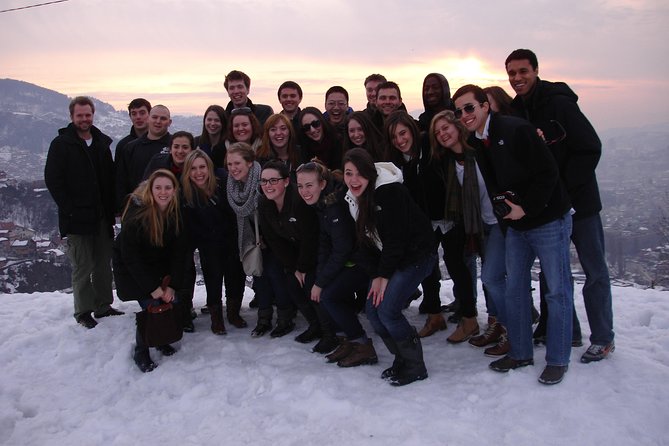
The Jewish Cemetery is another 15-minute stop. Here, the guide explains its role during the siege of Sarajevo.
This stop matters because cemeteries are not just historic sites. They can also become part of a city’s wartime geography. The explanation here adds another layer to the story and shows how public places, religious sites, and routes through town were affected.
The short visit means you will receive a focused account rather than a long cemetery tour. That is appropriate for this experience, since the wider aim is to connect several locations into one explanation of the siege.
I would treat this as a listening stop. Give the guide room to explain the site’s role, and do not expect every detail of Sarajevo’s Jewish history to be covered. The tour’s stated focus is the cemetery during the siege, not a full survey of the city’s Jewish community.
Sarajevo Roses and the marks left behind
The experience also explains the symbolism of Sarajevo Roses. These memorial marks are connected with mortar impacts that caused deaths during the siege, and their red coloring gives otherwise ordinary pavement a direct memorial meaning.
They are powerful because they place remembrance under your feet. You do not need a large museum hall to understand that a neighborhood was attacked. A small mark in the road can turn a familiar street into a place of memory.
The Roses also fit the tour’s wider method. You move between broad political questions and personal reminders. One moment concerns the breakup of Yugoslavia and the Dayton peace accords. The next concerns a mark in the pavement or a road people once feared crossing.
That balance is valuable. It keeps the history human without losing the political context.
Understanding the breakup of Yugoslavia
The tour promises an explanation of why Yugoslavia broke apart, why Bosnia and Herzegovina is called a small Yugoslavia, and why Bosnia paid such a high price for independence.
Those are difficult topics to explain in a short experience. You should expect a guided overview rather than a full university course. The benefit is that the guide can connect the general story to places you are visiting that same morning.
The phrase small Yugoslavia points to Bosnia and Herzegovina’s mix of communities and identities. The tour uses that idea to explain why the country’s path was so difficult in the 1990s. You also learn why Bosnians did not find a solution during that chaotic period, a question that requires more than a simple good side and bad side explanation.
A good guide must handle this carefully. The praise for Adnan and Safet suggests that Toureedoo’s strength is its human delivery. Their friendly manner can make a complicated subject easier to discuss, while their connection to Sarajevo gives the tour a local point of view.
Dayton and Bosnia and Herzegovina today
The tour does not stop when the siege ends. It also explains the complexity of the Dayton peace accords and what life is like in Bosnia and Herzegovina today.
That final part is important. Peace agreements can stop fighting without solving every political problem, and the tour invites you to consider that difference. You leave with a better sense that the war is recent history, not a neatly closed chapter.
The information provided does not promise a detailed visit to government buildings or a separate political lecture. Instead, expect the guide to discuss Dayton as part of the larger story. This should help you place Sarajevo’s present-day life in context.
I value this approach because it avoids treating the city as a memorial frozen in the 1990s. Sarajevo has a difficult past, but it is also a living capital. Learning how people live with the legacy of the war gives the tour more purpose than simply counting damaged sites.
How the $45.38 price measures up
At $45.38 per person, the tour sits in the reasonable range for a guided half-day outing. Your fee includes transportation, a tour guide, and the entrance fee for the War Tunnel museum. Meals are not included, though a 3.5-hour morning schedule does not make that a major problem.
The value depends on what you want. If you prefer to walk alone and read plaques, you can spend less. But the key benefit here is interpretation. The guide links the Yellow Fortress, Sniper Alley, the Olympic stadium, the tunnel, cemetery, and Sarajevo Roses into one story.
The group limit of 10 also supports the price. You are paying for a more personal experience than a large sightseeing group usually provides. The previous praise for Adnan and Safet focuses on their friendly manner, city knowledge, and helpful attitude, all of which matter when the subject is complex.
The tour ends at the original meeting point, so you can plan lunch or another central activity afterward. Free cancellation is available if you cancel at least 24 hours before the start time. Later cancellations and changes are not accepted for a refund.
Who will get the most from this experience?
I would choose this tour if you want a clear introduction to the Siege of Sarajevo and prefer to learn through places rather than a museum alone.
It suits you especially well if:
- You are visiting Sarajevo for the first time.
- You want the war explained alongside the breakup of Yugoslavia.
- You value a guide’s personal view and time for questions.
- You want to see the War Tunnel without arranging separate transportation.
- You prefer a small group rather than a large coach tour.
- You are comfortable with serious subject matter.
It may not suit you if you want a relaxed panoramic tour, a food experience, or a long Olympic history visit. Meals are not included, and the schedule moves across several serious sites in a limited time.
Most people can participate, according to the activity information, but the subject itself is the main consideration. Plan a little quiet time afterward if you expect the material to affect you.
Should you book Sarajevo Under Siege?
Book it if you want the history of Sarajevo explained with care, context, and local perspective. The combination of the Yellow Fortress, Sniper Alley, the Olympic stadium, the War Tunnel, Jewish Cemetery, and Sarajevo Roses gives you a strong sense of how the siege shaped both the city and its people.
I would give this tour extra credit for its small group and its guides. Adnan and Safet have earned praise for being friendly, helpful, and good company, which can make a difficult morning feel approachable without making the subject feel casual.
Skip it only if you are looking for light sightseeing. For everyone else, $45.38 is a fair price for transportation, admission, and a focused guide-led look at one of Europe’s most painful recent chapters.
FAQ
Where does the tour begin?
It begins at the Toureedoo Sarajevo City Tours office at S.H., Muvekita 7, Sarajevo 71000, Bosnia and Herzegovina.
What time does the tour start?
The tour starts at 10:30 am.
How long does the experience last?
The tour lasts approximately 3 hours and 30 minutes.
Where does the tour end?
The activity ends back at the meeting point.
Is transportation included?
Yes. Transportation is included in the tour price.
Is the War Tunnel entrance included?
Yes. The entrance fee is included, and the visit to the Sarajevo War Tunnel lasts about 50 minutes.
Are meals included?
No. Meals are not included.
How large is the group?
The activity has a maximum of 10 participants.
Can I cancel for a refund?
Yes. You can cancel at least 24 hours before the start time for a full refund. Cancellations or changes made less than 24 hours before the start time are not accepted for a refund.
Just added around Sarajevo
- Srebrenica Genocide Tour from Sarajevo★ 4.5 · 3 reviews
- Mountain Village Lukomir Full Day Adventure Tour★ 5.0 · 3 reviews
- MTB Bjelasnica – Lukomir★ 5.0 · 3 reviews
- Herzegovina Tour from Sarajevo: Mostar, Počitelj, Blagaj, Kravice★ 5.0 · 3 reviews
- Bosnian Kingdom Capitals: Travnik & Jajce Tour from Sarajevo★ 5.0 · 3 reviews
- Beautiful Bosnia 8 Days Tour Package★ 5.0 · 3 reviews
- Walking Tour in Sarajevo★ 5.0 · 3 reviews
- Travnik, Jajce, Pliva Lakes & Mills –Medieval & Ottoman Bosnia Full Day Tour★ 5.0 · 3 reviews
Bosnian War History Tours, compared.

Fall of Yugoslavia, Sarajevo War Tour with Tunnel of Hope Museum and Frontlines
Read our review →
ROSES OF SARAJEVO (Official WAR + CITY tour)- Story of a Survivor
Read our review →
Tunnel Museum: Bosnian & Yugoslav Wars Tour with War Veteran
Read our review →
Sarajevo War Tour: A Veteran’s Story of the Siege (fees included)
Read our review →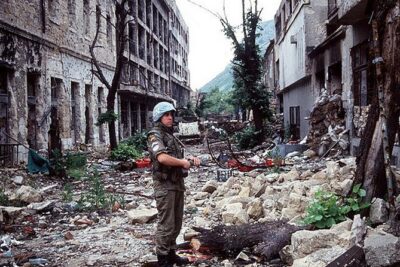
Break-up of Yugoslavia & The War in Mostar: Life Under Siege
Read our review →
Sarajevo Grand Tour: Old Town, War Tunnel, Olympic Sites & More
Read our review →Browse the lists this tour appears in