
REVIEW · SARAJEVO TOURS
Bosnian Cooking Lessons
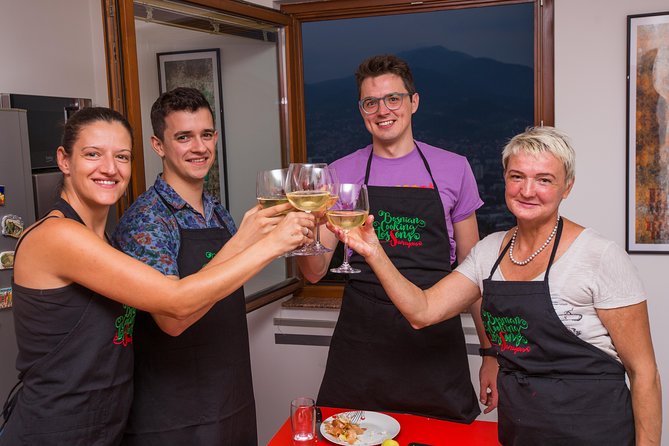
Come hungry and curious. This four-hour Sarajevo cooking class turns dinner into a friendly kitchen lesson, where you prepare classic dishes with chef guide Mersiha and enjoy a panoramic city view. I especially like the hands-on work with burek dough and the warm, personal welcome from Mersiha and Mustafa. I also like that the recipes can be recreated at home, so the experience does not end when dinner does.
The main thing to consider is the setting and transport. The class takes place at a private home reached from the meeting point on Skendera Kulenovića, and private transportation is not included in the stated price. One person described receiving a pickup and drop-off transfer, but you should confirm that directly before booking rather than count on it.
In This Review
- Key points at a glance
- A four-hour food lesson with a Sarajevo view
- Part one: three ways to make dolma
- Sogan dolma, stuffed onions
- Japrak, rolled mangel or spinach leaves
- Dolma, stuffed peppers
- Part two: the art of stretching burek dough
- The meal you helped make
- Hospitality from Mersiha and Mustafa
- Walking, meeting, and transport details
- Is $96.79 a fair price?
- What you can recreate at home
- Who should book this class?
- Should you book Bosnian Cooking Lessons?
- FAQ
- Where does Bosnian Cooking Lessons take place?
- What time does the class start?
- How long does the experience last?
- What dishes do you prepare?
- Is dinner included?
- Are drinks included?
- Are vegetarian or vegan options available?
- Is private transportation included?
- How many people can join the class?
- Can I cancel for a full refund?
Key points at a glance
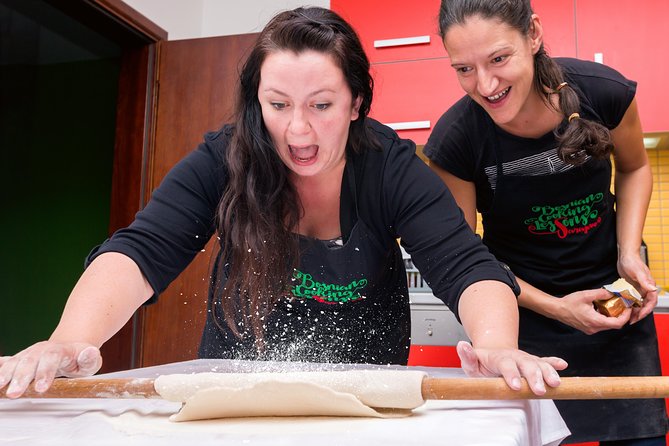
- Burek is the star lesson: You stretch and roll phyllo dough, then fill it with potatoes, meat, or cheese depending on the season.
- Three kinds of dolma: You prepare onions, peppers, and mangel or spinach leaves filled with minced meat, rice, and spices.
- A home-style welcome: Coffee, tea, or a welcome drink comes first, followed by cooking and a shared dinner.
- A small group helps: The maximum is 13 people, allowing more direct help than a large commercial class.
- Sarajevo views add atmosphere: The home offers a panoramic view, and the walk from central Sarajevo takes about 40 minutes uphill.
- Vegetarian and vegan choices are possible: Request them ahead of time, rather than waiting until the class begins.
A four-hour food lesson with a Sarajevo view
The class begins at 2:30 pm and lasts about four hours. You meet at Skendera Kulenovića, in Sarajevo, then settle in with coffee, tea, or a welcome drink before the cooking starts.
That first pause matters. This is not a rushed demonstration where you stand at the edge of a kitchen and watch someone else do the useful part. You meet Mersiha and, depending on the arrangement, Mustafa or her mother, then get a chance to ask questions and hear about local life. The mood is closer to being invited into a Bosnian home for dinner than attending a formal culinary school.
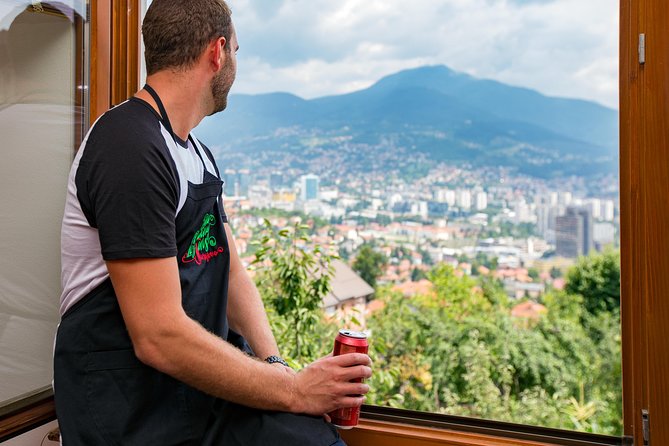
The panoramic view gives the afternoon a pleasant sense of place. Sarajevo is not just the backdrop here. You cook while looking out over the city, then eat the food you helped make. That connection between the meal and the city makes the class more memorable than a recipe lesson in a generic studio.
The maximum group size is 13. That is not an intimate private lesson, but it is still small enough to make hands-on work practical. If you are a solo participant, the hosts have made a point of including solo people warmly, answering questions patiently, and even taking photos during the class when needed.
More cooking classes:
- Traditional Bosnian Cooking Class in Mostar with Lunch and Drinks
★ 5.0 · 16 reviews
Part one: three ways to make dolma
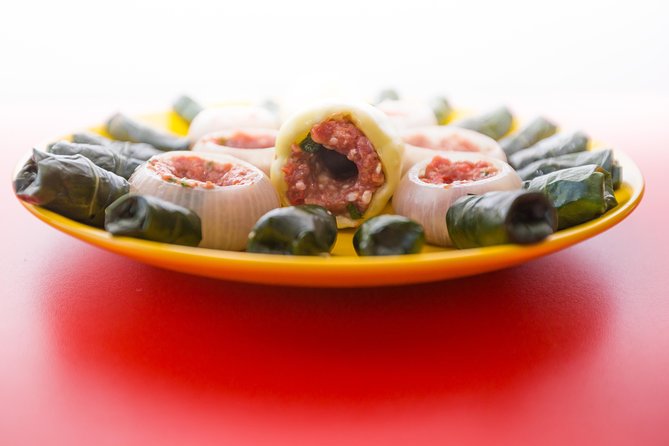
The first part covers three stuffed dishes. Bosnian cooking often makes good use of vegetables as edible containers, and this class lets you compare how the same broad filling changes from one dish to another.
Sogan dolma, stuffed onions
Sogan dolma uses onions filled with minced meat, rice, and spices. The technique requires care because the onion layers must be handled gently and filled without tearing them.
This is a useful dish to learn at home because it shows how Bosnian food builds flavor from simple ingredients. You are not relying on a complicated sauce or a long list of hard-to-find products. Instead, the work comes from preparation, seasoning, and careful assembly.
Japrak, rolled mangel or spinach leaves
Next comes japrak, made with mangel or spinach leaves rolled around minced meat, rice, and spices. The leaves give the dish a different texture from the onion version, and rolling them neatly is part of the lesson.
If you enjoy learning food traditions through technique, this section should hold your attention. You see how a household can turn a filling into several distinct dishes by changing the vegetable wrapper. The class also gives you a better sense of the patience behind home cooking. These are not instant meals, even if the ingredient list looks familiar.
More hands-on workshops:
Dolma, stuffed peppers
The third preparation is dolma, with peppers filled with the same general mixture of minced meat, rice, and spices. The peppers are easy to recognize, but making them yourself helps explain why the filling and cooking method matter.
Together, these three dishes form a useful introduction to Bosnian stuffed vegetables. You are not just tasting finished food. You are learning how to prepare several traditional dishes from a shared base, which makes the lessons easier to remember and repeat.
The provided information does not give exact cooking times, spice quantities, or portion sizes. That is not necessarily a problem in a live class, since you can ask Mersiha questions as you work. Still, if you want precise measurements for every dish, pay attention and ask for clarification before leaving.
Part two: the art of stretching burek dough
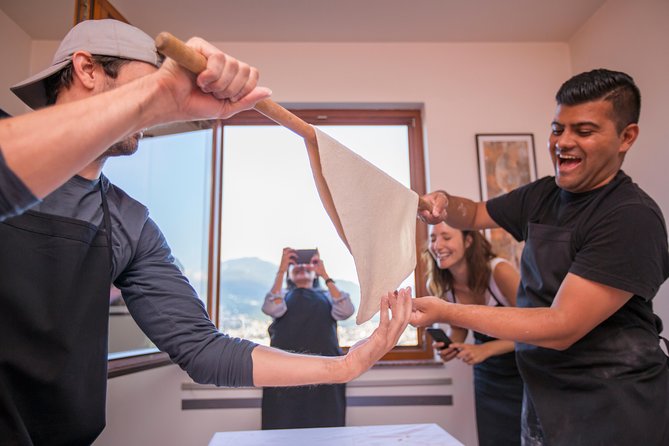
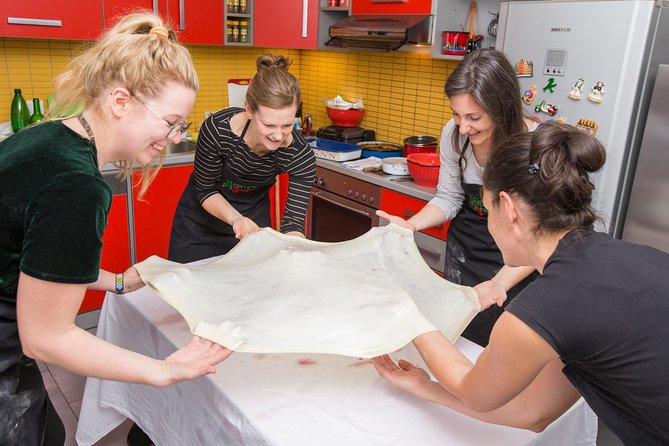
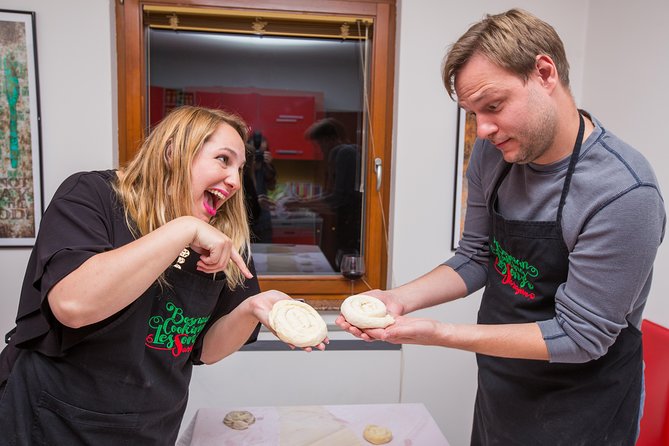
Burek is the most distinctive practical lesson. It uses phyllo dough rolled and stretched thin, then filled with potatoes, meat, or cheese depending on the season.
The description makes a playful point about wine helping you relax before stretching the dough. There is some truth behind the joke. Working phyllo dough takes confidence and a light touch. Pull too hard and you can tear it. Handle it timidly and you may not stretch it enough. The class gives you a chance to try the technique under guidance rather than simply admire a finished spiral on a plate.
The lesson is valuable because burek often looks easier than it is. A finished piece has a crisp, layered texture, but the process depends on getting the dough thin and arranging it properly. One participant particularly appreciated seeing how thin the dough must become and how that creates the final flaky texture.
Wine from Herzegovina is served while you cook, along with soft drinks. Alcohol is included, but you are not required to drink it. Coffee and tea are also available, so the class works for people who prefer nonalcoholic drinks.
Burek fillings vary by season. That means you should not book expecting one guaranteed filling. If you have a strong preference for meat, potato, or cheese, ask what will be prepared on your date.
The meal you helped make
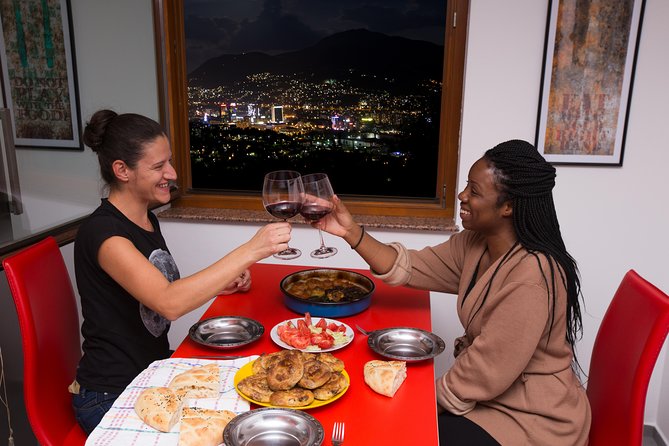
After both parts of the lesson, you sit down and eat the dishes together. Dinner is included in the $96.79 price, as are coffee or tea and alcoholic beverages.
This shared meal is where the class earns much of its value. You have already handled the ingredients, asked questions, and made mistakes under friendly supervision. Eating the result gives the food a personal connection that you do not get from ordering dolma or burek in a restaurant.
The hosts also leave time for questions after cooking. You can ask about the recipes, Bosnian food, Sarajevo, local activities, or practical matters such as bus travel. Mersiha has offered recommendations and personal stories about growing up in Bosnia, which adds useful context without turning the afternoon into a formal history lecture.
The class is especially good for people who enjoy conversation with their food. If you want a silent, tightly timed demonstration followed by a quick plate, this may feel too relaxed. If you like a long meal and friendly talk, the pace should suit you.
Hospitality from Mersiha and Mustafa
The strongest feature is the warmth of the hosts. Mersiha is described as patient, clear, professional, and kind. She guides people gently when their hands need more care, especially while assembling burek.
That patience matters if English is not your first language or if you are new to cooking. A participant who was worried about communicating found Mersiha’s English easy to follow and appreciated her smile and attention. The class is therefore not only about food. It is also about feeling comfortable enough to ask basic questions and try unfamiliar techniques.
Mustafa contributes to the welcoming atmosphere and conversation. The hosts share their home and stories, and the experience can feel like an afternoon with old friends rather than a transaction. For solo people, small thoughtful touches matter. Mersiha has taken photos during the class for solo participants, giving them a record of the afternoon without requiring them to ask another person.
The setting is personal, which is also the main trade-off. A private home does not offer the polished layout or professional kitchen design of a cooking school. That is part of the appeal, but it means you should come prepared for a more informal environment.
Walking, meeting, and transport details
The stated meeting point is Skendera Kulenovića, 71000 Sarajevo. The activity ends back at the meeting point, and private transportation is not included.
One person walked from Sarajevo city center to the home in about 40 minutes, then walked back downhill after the class. The route offered several city viewpoints, making the walk part of the afternoon for someone who enjoys walking. You should allow extra time if you plan to walk, especially since the route to the home is uphill.
Another person described pickup and drop-off transfer to and from the hosts’ home. Since transportation is not included in the official details, treat this as an arrangement that may have been made for that booking, not as a guaranteed feature. Ask INFO BOSNIA what applies to your reservation.
The start time of 2:30 pm creates a natural afternoon-to-evening schedule. You begin with a drink, cook through the main lessons, then finish with dinner. You probably will not need to plan another substantial meal that evening.
Confirmation normally arrives at booking. If you book within five hours of the start, confirmation is sent as soon as possible and depends on availability. Cancellation is free up to 24 hours before the start time. Changes or cancellations inside that 24-hour window are not accepted for a refund.
Is $96.79 a fair price?
At first glance, nearly $100 for a four-hour cooking class may seem high compared with a restaurant meal in Sarajevo. The comparison is not quite fair, because the price includes dinner, drinks, instruction, a city view, and several recipes rather than one finished plate.
You also get the value of direct help. Stretching burek dough is the sort of skill that can be frustrating when learned from a written recipe alone. Having someone show you how to handle it, then correcting your technique, can save several failed attempts at home.
The class covers multiple dishes rather than focusing on one recipe. You work with stuffed onions, rolled greens, stuffed peppers, and burek. That gives you a broad taste of Bosnian home cooking and several ideas for future meals.
The price is best justified if you care about food, conversation, and practical skills. It is less appealing if you only want a cheap dinner or a quick tourist activity. Since the class has received a five-star rating from 269 reviews and 100 percent recommendation, the experience has clearly delivered strong satisfaction, though value still depends on how much you enjoy the social side.
What you can recreate at home
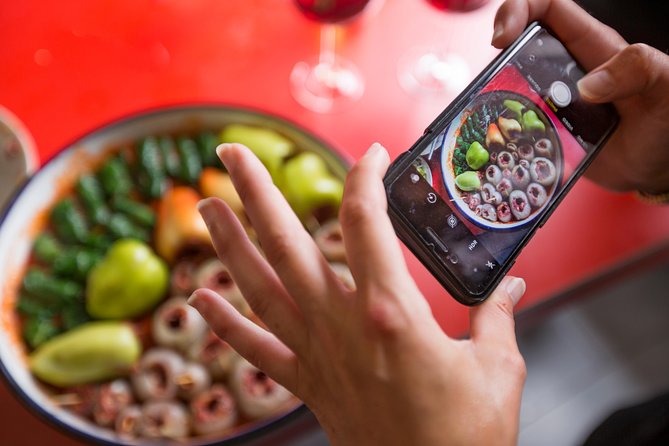
A good cooking class should continue working after you return home. This one is designed for that. The food uses familiar foundations such as minced meat, rice, spices, vegetables, and phyllo dough, so you can adapt the recipes to your own kitchen.
You can begin with the stuffed dishes because their structure is easy to understand. Once you learn the basic filling, you can practice with onions, peppers, and leaves. Burek may require more repetition, but that is also the recipe most likely to give you a satisfying new skill.
Recipes and step-by-step videos have been provided after the class, which makes home practice easier. Ask how these materials will be delivered and whether they include all the dishes you prepare. Written recipes are useful, but the real advantage is remembering the feel of the dough and the way the hosts demonstrated each stage.
Vegetarian and vegan options are available on request. Make that request before the class so the hosts can plan the fillings. The standard menu centers on minced meat, so people with dietary needs should not assume a plant-based version will appear automatically.
Who should book this class?
I would recommend it most strongly to:
- Solo people who want a welcoming social afternoon
- Couples and friends who enjoy cooking together
- Food-focused visitors who want more than restaurant tastings
- Anyone interested in Bosnian family cooking
- People who want recipes they can use after returning home
- Those comfortable with a private-home setting and a relaxed pace
It may be less suitable if you dislike group activities, cannot manage an uphill walk, or need a tightly controlled professional cooking environment. The class is also not the right pick if you want transportation included without confirming it first.
The 13-person maximum keeps the activity from becoming a huge production, but it does not guarantee a private lesson. If you want the most direct attention, ask about the group size for your date.
Should you book Bosnian Cooking Lessons?
Book it if you want to meet local hosts, learn several Bosnian dishes, and share a home-cooked dinner with a view over Sarajevo. The strongest reasons are the patient instruction from Mersiha, the chance to make burek dough yourself, and the easy warmth created by Mersiha and Mustafa.
I would also book it for a solo visit. The hosts have shown particular care toward solo participants, including taking photos and making the person feel part of the gathering.
Before paying, confirm the meeting and transport arrangements, tell the hosts about vegan or vegetarian needs, and ask which burek filling is planned. If those details work for you, $96.79 buys more than a meal. It buys a skill, a story, and a memorable way to understand Bosnian food from the inside.
FAQ
Where does Bosnian Cooking Lessons take place?
The meeting point is on Skendera Kulenovića, 71000 Sarajevo, Bosnia and Herzegovina. The activity ends back at the meeting point.
What time does the class start?
The class starts at 2:30 pm.
How long does the experience last?
The cooking lesson and dinner last approximately four hours.
What dishes do you prepare?
The class covers sogan dolma, japrak, dolma, and burek. The stuffed dishes use minced meat, rice, and spices. Burek may contain potatoes, meat, or cheese depending on the season.
Is dinner included?
Yes. Dinner made during the class is included in the price.
Are drinks included?
Coffee and tea are included, along with alcoholic beverages, Herzegovina wine, and soft drinks served during the lesson.
Are vegetarian or vegan options available?
Yes. Vegetarian and vegan options are available upon request. You should make the request before the class.
Is private transportation included?
No. Private transportation is not included in the stated details. Confirm directly if any pickup or drop-off arrangement is available for your booking.
How many people can join the class?
The maximum group size is 13 people.
Can I cancel for a full refund?
Yes, if you cancel at least 24 hours before the experience start time. Cancellations or changes made less than 24 hours before the start are not accepted for a refund.
Just added around Sarajevo
- Srebrenica Genocide Tour from Sarajevo★ 4.5 · 3 reviews
- Mountain Village Lukomir Full Day Adventure Tour★ 5.0 · 3 reviews
- MTB Bjelasnica – Lukomir★ 5.0 · 3 reviews
- Sarajevo Under Siege: A City’s Struggle & Survival Tour★ 5.0 · 3 reviews
- Herzegovina Tour from Sarajevo: Mostar, Počitelj, Blagaj, Kravice★ 5.0 · 3 reviews
- Beautiful Bosnia 8 Days Tour Package★ 5.0 · 3 reviews
- Bosnian Kingdom Capitals: Travnik & Jajce Tour from Sarajevo★ 5.0 · 3 reviews
- Walking Tour in Sarajevo★ 5.0 · 3 reviews
Sarajevo Tours, compared.
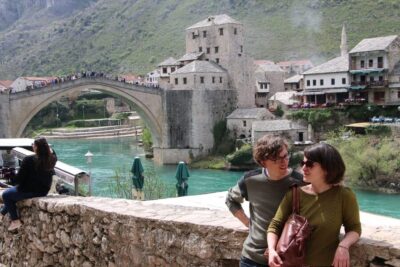
Mostar, Konjic, Blagaj Tekke, Pocitelj & Waterfall
Read our review →
Fall of Yugoslavia, Sarajevo War Tour with Tunnel of Hope Museum and Frontlines
Read our review →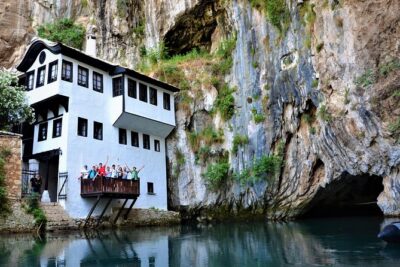
Mostar, Konjic, Sufi House, Pocitelj & Kravice Falls
Read our review →
ROSES OF SARAJEVO (Official WAR + CITY tour)- Story of a Survivor
Read our review →
Mostar, Konjic, Počitelj, Sufi House, & Waterfalls
Read our review →
Tunnel Museum: Bosnian & Yugoslav Wars Tour with War Veteran
Read our review →
Mostar, Konjic, Dervish House, Pocitelj & Kravica Falls
Read our review →Browse the lists this tour appears in