
REVIEW · SREBRENICA MEMORIAL TOURS
From Sarajevo: Srebrenica Genocide Memorial Study Tour
The road to Srebrenica is part of the lesson. This 10-hour study tour combines a long drive through eastern Bosnia with the Srebrenica Genocide Memorial, the former UN Dutch Battalion base, a museum visit, and time at the cemetery. I like the careful historical explanation given on the drive, and I like that the tour uses local guides who may share personal wartime experiences. The main drawback is simple: this is a long, emotionally heavy day, and the memorial guide may not always be available if another group has booked the time.
The tour costs $84.69 per person and includes hotel pickup, transport, and a driver-guide. For a full day with a maximum of eight people, that is good value, especially since reaching Srebrenica independently is not easy. You should not book this as a light sightseeing outing. You book it to learn, remember, and bear witness.
In This Review
- Key points to know before booking
- Why this day trip matters in Bosnia
- Starting at 8 am in central Sarajevo
- The drive through eastern Bosnia
- Inside the former UN base and museum
- Srebrenica town and its quiet streets
- The cemetery at Potočari
- The guides make or break the day
- Is $84.69 good value?
- Who should book this study tour?
- Final verdict: book it for understanding, not entertainment
- FAQ
- How long does the Srebrenica tour from Sarajevo last?
- What time does the tour start?
- Where does the tour start and end?
- Is hotel pickup available?
- Is lunch included?
- What is included in the price?
- How many people are in the group?
- Can children join the tour?
- Is the tour offered in English?
- Can I cancel for a full refund?
Key points to know before booking
- The drive takes about two and a half to three hours each way, with mountain scenery and historical commentary along the route.
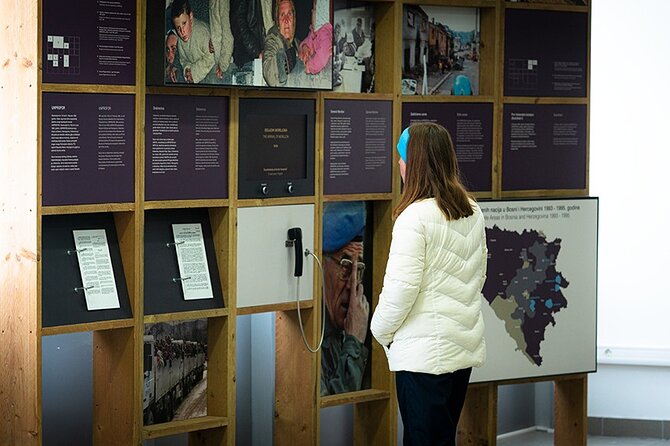
- The former UN base at Potočari houses the Srebrenica Genocide Museum, where multimedia displays and survivor testimony explain what happened.
- The cemetery contains thousands of white grave markers, with additional victims identified and buried over time.
- Guides such as Almir, Ago, Enis, and Vedad add personal context, sometimes drawing on their own experiences of the Bosnian war.
- Groups are capped at eight people, which makes it easier to ask questions and gives the day a more personal feel.
- Lunch and drinks are not included, so plan to pay locally and expect limited food choices near Srebrenica.
Why this day trip matters in Bosnia
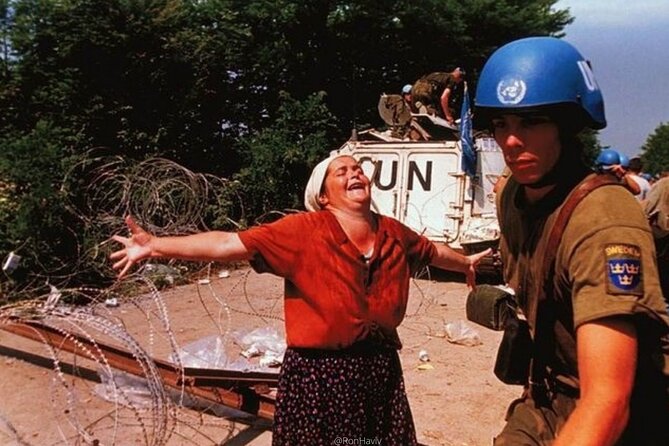
Srebrenica is not simply another historic stop. In July 1995, Bosniak men and boys were murdered after the fall of the UN-protected enclave. More than 8,000 people were killed, and the memorial continues to receive newly identified victims as remains are recovered from mass graves.
You will hear this history explained before arriving. That matters. Without context, the cemetery can feel like a place of sorrow without a clear understanding of how the tragedy unfolded. With a good guide, the road from Sarajevo becomes part of the education.
The journey also shows you a different side of Bosnia and Herzegovina. You leave Sarajevo and pass through the mountainous countryside of eastern Bosnia, including areas within Republika Srpska. Guides explain the breakup of Yugoslavia, the politics of the 1990s, and the divisions that still shape the country.
I especially value this broader view. Srebrenica did not happen in isolation, and the tour does not treat it as an isolated event. The guide connects the local story to the collapse of Yugoslavia, the Bosnian war, the role of international forces, and the continuing difficulty of remembrance and reconciliation.
More Srebrenica memorial visits:
- Sarajevo to Srebrenica: Genocide Study Tour with War Veteran
★ 5.0 · 131 reviews - Understanding Srebrenica Genocide Tour + Lunch with Local Family Included
★ 5.0 · 123 reviews - Understanding Srebrenica Genocide – Day tour from Sarajevo
★ 5.0 · 35 reviews
Starting at 8 am in central Sarajevo
The tour begins at Meet Bosnia Tours on Gazi Husrev begova Street, near the crossing of Mula Mustafe Bašeskije. Pickup from your Sarajevo hotel can be arranged, but the exact time and location are sent after booking.
An 8 am start is sensible. Srebrenica is far from Sarajevo, and the day already involves several hours in the vehicle. If you are staying in central Sarajevo, confirm your pickup details carefully and be ready early. The operator also returns you to the meeting point at the end of the day.
The vehicle is an important part of the experience. A recent account described a new, air-conditioned van, and small groups make the long ride more comfortable than a large coach. Some guides provide bottled water, and stops may be made for coffee or photographs. These details are not guaranteed for every departure, but they give you an idea of how the day can unfold.
A small group also helps with discussion. Guides including Almir, Ago, Enis, Ejub, Elmir, Senad, and Vedad have been praised for explaining difficult subjects clearly and answering questions in a relaxed way. The assigned guide can change, so you should not book expecting one particular person unless the operator confirms it.
The drive through eastern Bosnia
The first part of the day is a scenic road journey. The route passes through mountain country and rural settlements, with views that contrast sharply with the history being discussed.
This is not dead time. Guides use the drive to explain the fall of Yugoslavia, the political forces behind the war, and the events leading to the Srebrenica genocide. Several guides also share personal memories of the conflict. Almir, in particular, is described as a war veteran who openly discusses his experiences and the region’s current political realities.
That personal element can make the history easier to understand, but it can also make the day more intense. You are not hearing only dates and military movements. You may hear about what the war meant to ordinary people and how its effects remain visible.
The guides generally use humor carefully during the drive. That may sound surprising on such a serious excursion, but it helps break up several hours in a vehicle. The tone remains respectful, with room for questions and quiet reflection.
The road is also one reason to avoid packing too much into the evening after your return. The published duration is about 10 hours, but accounts of the journey describe roughly three hours each way. Traffic, stops, and the pace of the visits can affect the final arrival time.
Inside the former UN base and museum
The first major visit is at the battery factory in Potočari. During the war, this site was used by Dutch UN forces. It later became home to the Srebrenica Genocide Museum and memorial displays.
The museum is presented as one of the more modern museums in Bosnia and Herzegovina. Multimedia material, films, photographs, documents, and survivor accounts help explain the fall of the enclave and the failure of the international protection offered there.
A local curator may guide you through the museum and share personal experiences of survival during the war. One particularly important part of the visit is the testimony from people who lived through the enclave’s final days. These accounts give the history a human scale that statistics cannot provide.
You should allow yourself time here. One account noted that the museum and its rooms are large enough that you cannot take in every display in a single visit. That is useful advice. Do not rush through the first exhibition simply because you are eager to reach the cemetery.
The films can be difficult to watch. They include authentic footage and are intended to show the events plainly, not soften them for comfort. If you know that graphic or emotionally distressing material affects you strongly, prepare yourself before entering.
The Memorial Room is another significant part of the visit. A local journalist may present stories of victims, while part of the room addresses those responsible for the killings. This broader presentation helps show both the human cost and the question of accountability.
There is one practical uncertainty here. On at least one departure, the memorial guide was unavailable because another group was using the site. That was outside the operator’s control, but it shows why the experience can vary. Your main guide still provides context, yet the curator-led visit is an important part of the planned program.
A few more of this kind worth a look:
- Sarajevo: Mostar, Konjic, Blagaj Tekke, Pocitelj & Waterfall
★ 4.9 · 1,335 reviews - Fall of Yugoslavia, Sarajevo War Tour with Tunnel of Hope Museum and Frontlines
★ 5.0 · 1,314 reviews - Sarajevo: Mostar, Konjic, Sufi House, Pocitelj & Kravice Falls
★ 5.0 · 1,179 reviews - ROSES OF SARAJEVO (Official WAR + CITY tour)- Story of a Survivor
★ 5.0 · 770 reviews
Srebrenica town and its quiet streets
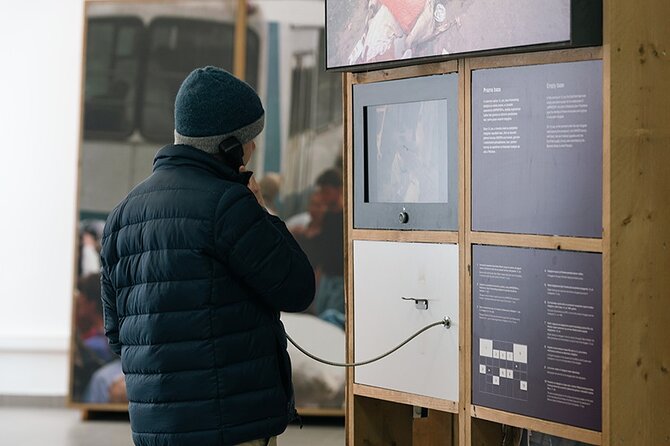
After the museum, the route continues into Srebrenica itself. Once an industrial center, the town is now quiet and economically diminished. The contrast between its former importance and its present condition is striking.
The town visit lasts about 50 minutes and usually includes time for lunch. Dining options in the area are limited, so do not expect a long restaurant break or a wide menu. Local stops may include a bakery or a modest restaurant, and buying food locally supports the small businesses that remain.
Lunch is not included in the tour price. Bring some local currency or another accepted payment method, although the supplied details do not guarantee which payment options will be available. A snack in your bag is a sensible backup, especially if you prefer an early lunch or have dietary needs.
Some guides add a short extra look at Srebrenica town after the former UN base. That can help you connect the museum’s historical material with the place as it exists today. The buildings and streets are not presented as a polished tourist attraction. Their quietness is part of the story.
This stop is less structured than the museum and cemetery. It may appeal most to people who want to understand present-day Bosnia rather than move from one formal exhibit to another. If you are hoping for a lively town visit, you may find it subdued.
The cemetery at Potočari
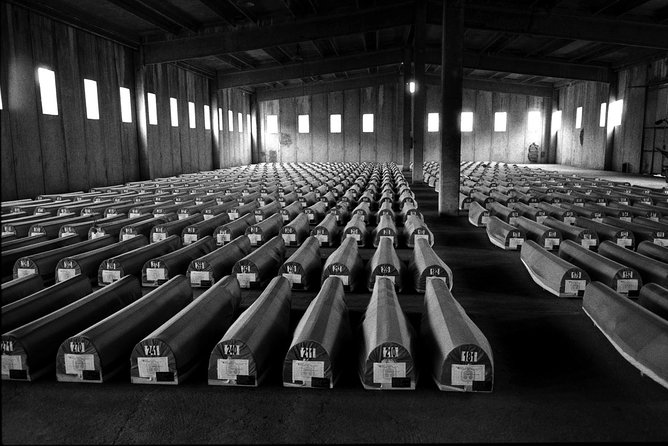
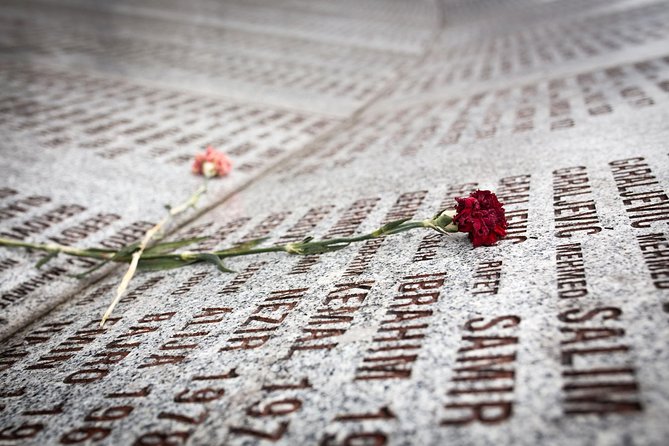
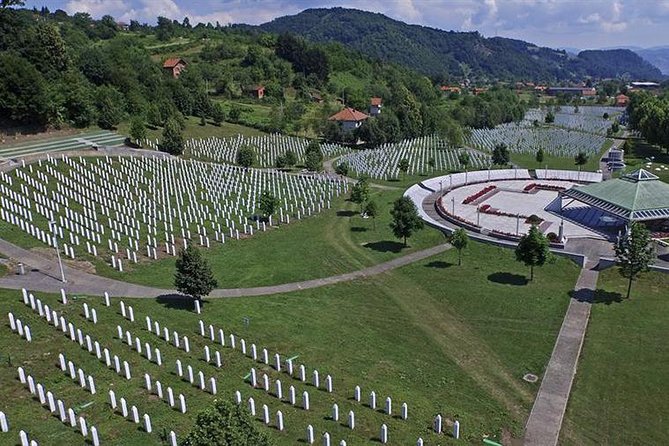
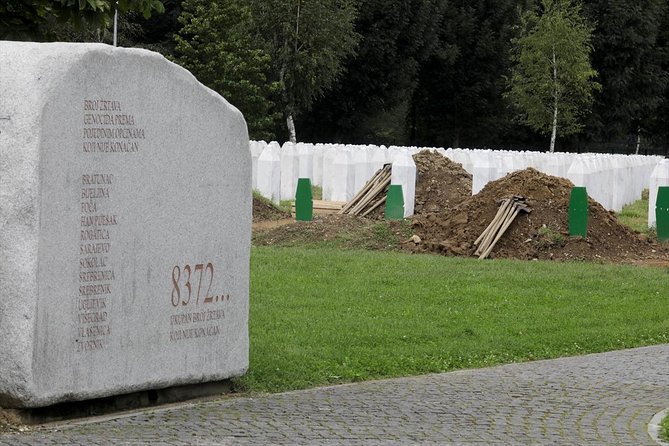
The memorial cemetery is the emotional center of the day. Its rows of white headstones mark victims who have been identified and reburied. The current count provided for the cemetery is 6,575, and that number continues to grow as remains are identified.
The wider death toll is more than 8,000 Bosniak men and boys. The difference between the total number killed and the number buried at the memorial reflects the continuing process of recovering and identifying remains.
The cemetery was officially opened by former US President Bill Clinton in 2003. Since then, hundreds of victims have been buried in successive ceremonies. New graves are added as families receive enough remains for a formal burial.
You will have about 40 minutes at the cemetery. That may sound brief, but the visit is quiet and personal. You can walk among the markers, read names, and pay your respects without needing a complicated program.
Wear comfortable shoes. The day includes time in the vehicle, but you will also walk around the museum grounds and cemetery. Modest, respectful clothing is appropriate. There is no need for ceremony or performance. A quiet visit is enough.
The cemetery is also where the scale of the crime becomes most visible. A single grave is personal. Thousands of identical white markers show the size of the loss. It is a place to slow down and let the facts settle.
The guides make or break the day
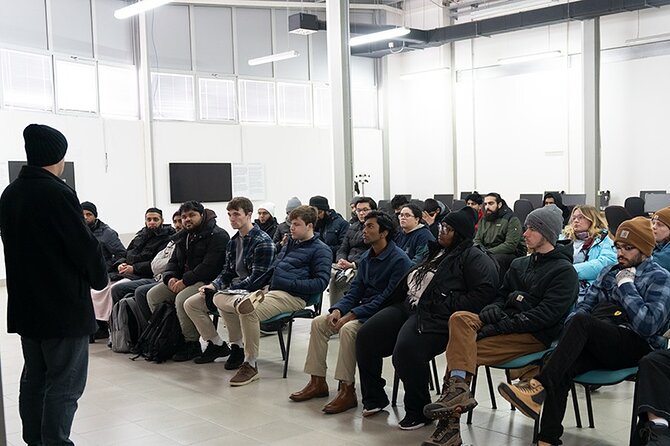
This tour depends heavily on the person behind the wheel. The long drive gives the guide many hours to shape your understanding, and the best guides combine clear history with local experience.
Almir is frequently praised for his detailed explanations, personal wartime story, patience, and willingness to discuss present-day Bosnia. Ago is described as friendly, flexible, and especially good at adjusting the pace to suit the group. Enis is praised for making a dark subject approachable without treating it lightly.
Vedad has also been praised for being informative and good company during the long ride. Ejub is noted for explaining the complicated politics of the region, while Senad has been willing to stop for photographs during the countryside drive.
You may also meet a memorial curator or local presenter. Their first-hand accounts can be among the most affecting parts of the day. Listen carefully, but remember that this is not a theatrical performance. Silence and respect are appropriate responses.
Guide quality can vary slightly because staff assignments change. Still, the repeated strengths are clear: strong historical preparation, personal connection to the war, careful handling of grief, and a willingness to answer direct questions.
Is $84.69 good value?
At $84.69 per person, the tour offers solid value for a full day. The price includes a driver-guide, a professional guide, and hotel pickup and drop-off. A maximum of eight people is another advantage because you are paying for a small-group outing rather than being placed on a large bus.
The price does not include food or drinks. You should budget for lunch and possibly coffee along the way. Admission is listed as free for the main stops, so the largest value comes from transport, interpretation, and access to local guides.
The distance is the key value question. If you tried to arrange transport yourself, you would still need to navigate a long journey and find the museum, cemetery, and town. You would also lose the historical explanation that ties the sites together.
For me, the tour is worth the price if you want a structured, informed visit. It is less compelling if you only want to photograph the cemetery and return quickly. The purpose of the day is learning, and the guide is central to that.
Free cancellation is available up to 24 hours before the start time. Changes or cancellations inside that window are not accepted for a refund.
Who should book this study tour?
This tour suits you if you want to understand the Bosnian war through local voices and direct contact with a place shaped by the genocide. It is especially useful if you have little background in the breakup of Yugoslavia and want the guide to explain the political setting before you arrive.
It also suits people who value small groups, personal questions, and a full day outside Sarajevo. The drive through the mountains adds a geographic sense of the region that a short city exhibition cannot provide.
You should think twice if you have only one free day and want a relaxed outing. The journey is long, the museum material is painful, and the cemetery can stay with you well after you return. This is not a quick box-ticking excursion.
The tour may also be difficult for children, even though most people can participate and children are allowed when accompanied by an adult. Parents should decide based on the child’s age and ability to handle accounts of war and genocide.
Final verdict: book it for understanding, not entertainment
I recommend this tour for most people visiting Sarajevo who have the time and emotional space for it. The museum, former UN base, town, and cemetery each show a different part of the Srebrenica story, while the guide links them into something you can understand.
Book it if you want local explanation, first-hand perspective, and a carefully organized day. Bring water, money for lunch, comfortable shoes, and patience for a long drive. If you are unsure, remember this: you may not enjoy the day in the usual sense, but you are likely to leave with a clearer understanding of Bosnia and a stronger reason to remember what happened here.
FAQ
How long does the Srebrenica tour from Sarajevo last?
The tour lasts about 10 hours. The drive to Srebrenica takes approximately two and a half hours according to the itinerary, while some accounts describe closer to three hours each way.
What time does the tour start?
The scheduled start time is 8:00 am.
Where does the tour start and end?
It starts at Meet Bosnia Tours on Gazi Husrev begova 75 in Sarajevo and ends back at the meeting point. Hotel pickup and drop-off can also be arranged.
Is hotel pickup available?
Yes. Pickup is offered, but the exact time and pickup location are sent by email after booking.
Is lunch included?
No. Food and drinks are not included. Lunch is arranged in or near Srebrenica, where dining choices are limited.
What is included in the price?
The price includes a driver-guide, a professional guide, and hotel pickup and drop-off.
How many people are in the group?
The activity has a maximum of eight participants.
Can children join the tour?
Yes. Children must be accompanied by an adult. Most people can participate, and the meeting area is near public transportation.
Is the tour offered in English?
Yes. The tour is offered in English.
Can I cancel for a full refund?
Yes. You can cancel at least 24 hours before the experience start time for a full refund. Cancellations or changes made less than 24 hours before the start time are not accepted for a refund.
Just added around Sarajevo
- Srebrenica Genocide Tour from Sarajevo★ 4.5 · 3 reviews
- Mountain Village Lukomir Full Day Adventure Tour★ 5.0 · 3 reviews
- MTB Bjelasnica – Lukomir★ 5.0 · 3 reviews
- Sarajevo Under Siege: A City’s Struggle & Survival Tour★ 5.0 · 3 reviews
- Herzegovina Tour from Sarajevo: Mostar, Počitelj, Blagaj, Kravice★ 5.0 · 3 reviews
- Beautiful Bosnia 8 Days Tour Package★ 5.0 · 3 reviews
- Bosnian Kingdom Capitals: Travnik & Jajce Tour from Sarajevo★ 5.0 · 3 reviews
- Walking Tour in Sarajevo★ 5.0 · 3 reviews