
REVIEW · SREBRENICA MEMORIAL TOURS
Understanding Srebrenica Genocide Tour + Lunch with Local Family Included
Some places ask for your full attention. This day trip to Srebrenica pairs careful historical guidance with a home-cooked lunch hosted by a local family. I especially like the hotel pickup and small private vehicle, which make a long day easier, and I value the chance to support families rebuilding life in Srebrenica. The main drawback is the length: about 10 hours, with roughly three hours each way on the road.
This is not a light sightseeing outing. You will visit sites tied to ethnic cleansing, mass detention, and the 1995 Srebrenica Genocide. Still, the day is not only about tragedy. The family meal, local stories, and beautiful mountain scenery give you a fuller picture of the region and its people today.
In This Review
- Key points to know before booking
- Why this Srebrenica day trip matters
- The road east from Sarajevo
- Romanija foothills and the 1992 violence
- Sušica and the concentration camp story
- Remembering the Zaklopača Massacre
- The gathering point before the 1995 killings
- Three hours at the Potočari Memorial Centre
- Lunch with a Srebrenica family
- Walking through Srebrenica town
- Guide quality and the human side
- Is $96.75 a fair price?
- Who should book this experience?
- FAQ
- How long does the Srebrenica tour take?
- Where does the tour begin and end?
- Is hotel pickup available in Sarajevo?
- How many people can join the tour?
- Is the tour offered in English?
- How much time is spent at the Potočari Memorial Centre?
- Is lunch included?
- Is there an admission fee for the memorial?
- What should I wear?
- Should you book it?
Key points to know before booking
- A long but carefully planned Sarajevo day trip: Expect about 10 hours, including a roughly three-hour drive each way.
- Personal guiding matters here: Guides such as Adnan, Almir, and Ado have been praised for clear explanations and, in some cases, personal wartime experience.
- The Potočari Memorial Centre receives about three hours: That sounds generous, but the exhibitions and cemetery deserve quiet attention.
- Lunch supports a local Srebrenica family: The full-course meal uses ingredients from local farms run by genocide survivors.
- Small-group transport keeps the day comfortable: The private vehicle holds no more than eight people, with pickup at your Sarajevo address.
- Dress with the memorial site in mind: You enter a Muslim cemetery, so smart casual clothing and respectful coverage are expected.
Why this Srebrenica day trip matters
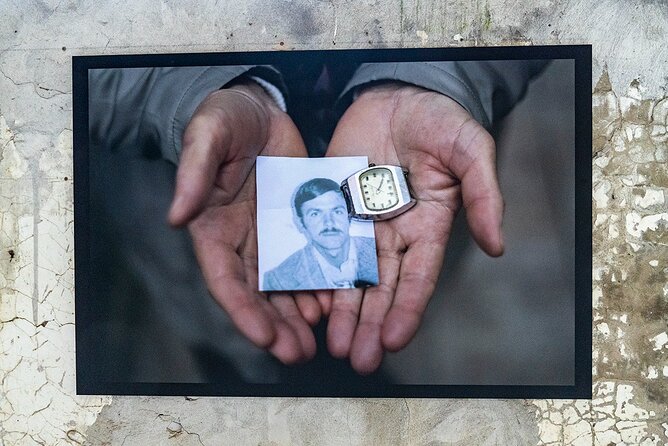
Srebrenica is not simply another Bosnian town to add to a checklist. The 1995 genocide is one of the darkest chapters of the Bosnian War, and the memorial visit asks you to confront what happened in a direct and human way.
The tour also covers events from 1992, when Bosniak communities in the wider region were subjected to ethnic cleansing by Republic of Srpska forces. That earlier context matters. Without it, the July 1995 killings can seem like an isolated event rather than part of a wider campaign of displacement, detention, and violence.
Your guide provides that framework during the drive from Sarajevo. That is a useful feature of this outing. The road time is long, but it gives you room to ask questions before reaching the memorial. Guides have been praised for combining firm historical detail with courtesy and patience. Almir, in particular, has shared his own experience as a wartime soldier, while Ado is from the Srebrenica area and can add personal details to the story.
You should not expect a polished museum tour delivered from a script. The human element is a major part of the day. That can be powerful, but it also means the tone may vary slightly depending on your guide and group.
More Srebrenica memorial visits:
- From Sarajevo: Srebrenica Genocide Memorial Study Tour
★ 5.0 · 359 reviews - Sarajevo to Srebrenica: Genocide Study Tour with War Veteran
★ 5.0 · 131 reviews - Understanding Srebrenica Genocide – Day tour from Sarajevo
★ 5.0 · 35 reviews
The road east from Sarajevo
Pickup begins around 8:00 a.m. at the Funky Tours office on Besarina čikma, or at your hotel, hostel, or another agreed address in Sarajevo. This is practical if you have only just arrived in the city or are staying away from the central meeting point.
The drive toward Srebrenica takes about three hours. You pass through mountain country, including a small town at the foot of Romanija Mountain known for its natural scenery. The views offer a sharp contrast to the painful subjects discussed during the day. Bosnia can change character quickly on the road, from Sarajevo’s urban streets to quiet mountain settlements and rural valleys.
The guide uses the journey to explain the 1992 ethnic cleansing of Bosniaks in this region. Since the vehicle is private and limited to eight people, you have a better chance to ask questions than you would on a large coach. Several guides have been praised for making the drive feel useful rather than wasted.
Comfort stops are included along the route. Even so, pack water and a small snack. Lunch comes later, and the full day involves several hours of sitting, walking, and emotional concentration.
Romanija foothills and the 1992 violence
The first regional stop takes you to a small mountain town near Romanija Mountain. The setting is attractive, but the subject is grim: the guide explains how Bosniak communities were targeted during ethnic cleansing in 1992.
This stop helps place Srebrenica within a wider story. You are not being shown only one memorial site. You are following a route through places where communities were attacked, imprisoned, expelled, or killed.
The benefit is context. The limitation is that the supplied schedule does not specify a long formal visit at this location. Think of it as a guided historical stop rather than a major museum visit. Listen closely and use the opportunity to ask your guide how the different events connect.
Sušica and the concentration camp story
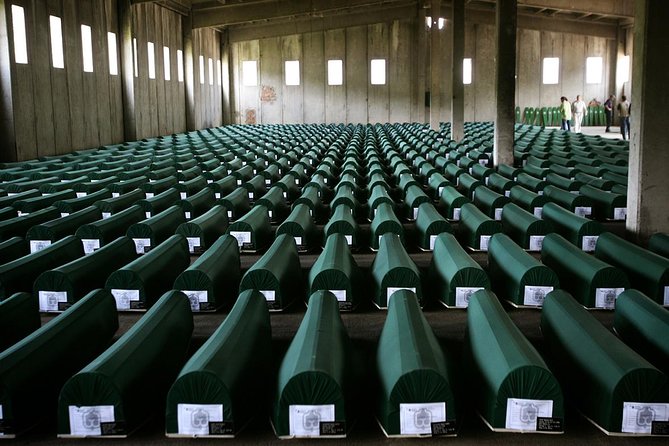
The route continues through a region associated with Concentration Camp Sušica, established by the Republic of Srpska Army in 1992. More than 8,000 Bosniaks were held there over time.
This part of the tour deals with detention and the wider machinery of ethnic cleansing. It can be especially difficult because the stop is tied to the fate of ordinary people who were confined because of their identity.
Your guide’s explanation is important here. The value is not simply in passing through a place name. It is in understanding how detention fit into the campaign against Bosniak communities. If you want a day trip that focuses only on the Potočari cemetery, this added material may feel heavy. If you want a fuller account of the region, it is essential.
More trips with lunch included:
- Lukomir Nomad Village Hiking from Sarajevo – Local Lunch Included
★ 5.0 · 21 reviews - Traditional Bosnian Cooking Class in Mostar with Lunch and Drinks
★ 5.0 · 16 reviews
Remembering the Zaklopača Massacre
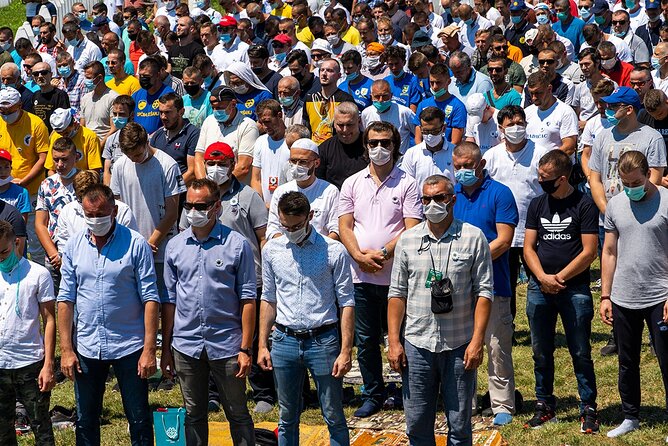
At Zaklopača, you learn about the massacre of May 16, 1992. All members of the village were killed, including 59 Bosniaks and 12 children. Only a very small number of people survived.
This is one of the tour’s most painful stops, and it makes clear that the story did not begin in July 1995. The guide’s role is to explain the event with accuracy and respect, while helping you understand its place in the broader conflict.
The best approach is to give yourself time to listen. You do not need to fill every quiet moment with conversation or photographs. This is a place for attention rather than sightseeing.
The gathering point before the 1995 killings
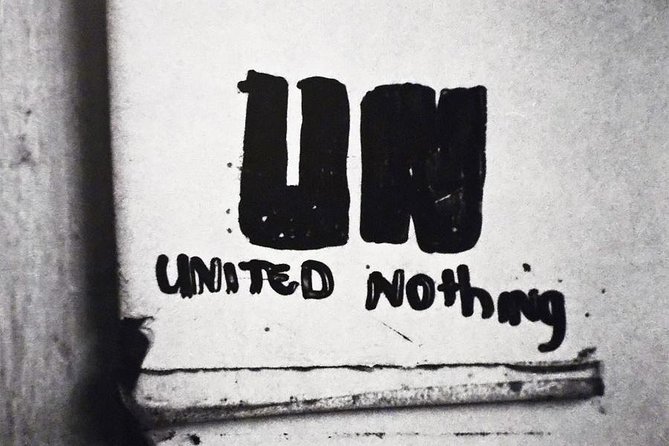
Another stop covers the 1992 ethnic cleansing of Bosniaks in a town that later became the first gathering point for many Bosniaks killed in the mass executions of July 1995.
The physical location matters because it links the earlier campaign to the final genocide. Seeing the actual places discussed at the memorial later in the day can make the sequence easier to understand.
The tour does not reduce the story to dates and military movements. It also addresses what happened to local communities and how the violence shaped Srebrenica today. Guides with personal connections to the area can add details that are difficult to get from a museum display alone.
Three hours at the Potočari Memorial Centre
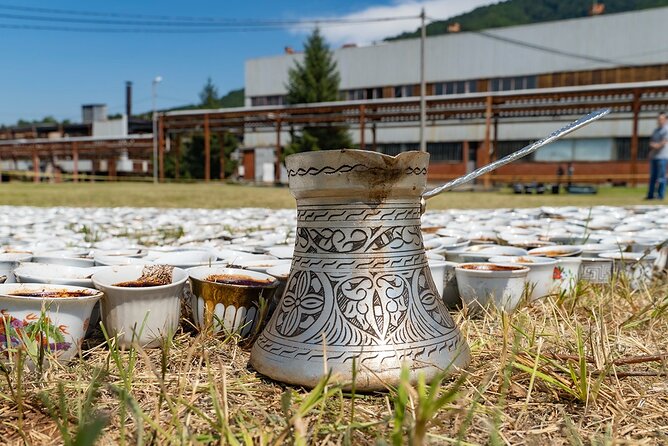
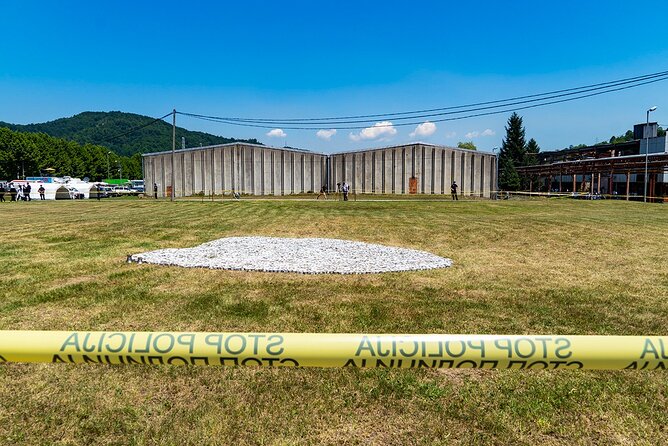
The central visit is to the Srebrenica Genocide Memorial Centre in Potočari. You have about three hours here, and there is no admission charge.
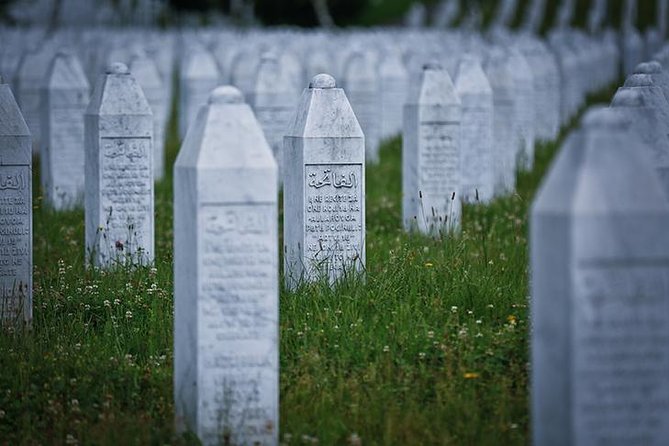
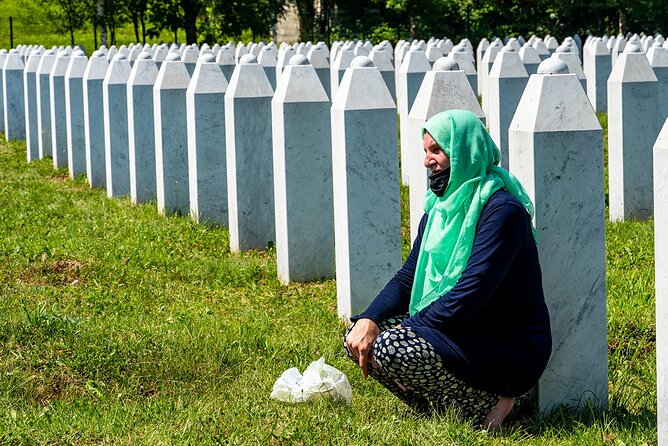
The memorial includes exhibitions dedicated to the victims of the July 1995 genocide, along with the nearby cemetery where victims are buried. The white rows of grave markers create a calm, orderly setting, but the scale of loss is difficult to absorb. The site is dignified rather than theatrical.
Three hours sounds like plenty, but you may still need to choose what to see most carefully. The exhibitions are extensive, and one hour would not be enough to give them proper attention. Allow time for both the indoor material and the cemetery. You may also want a quiet pause before returning to the vehicle.
One particularly powerful place to see is the former United Nations building, where thousands of people gathered while believing they were under protection. The site helps show the gap between what people were promised and what happened.
Your guide may accompany you through parts of the visit or give you time to walk independently. The exact balance can depend on the group. A good guide will let the memorial speak for itself instead of talking constantly.
Dress matters. You enter a Muslim cemetery, so smart casual clothing is requested. Choose respectful coverage and comfortable shoes. The tour is open to most people, and service animals are allowed, but the emotional demands of the visit are more important than physical difficulty.
Lunch with a Srebrenica family
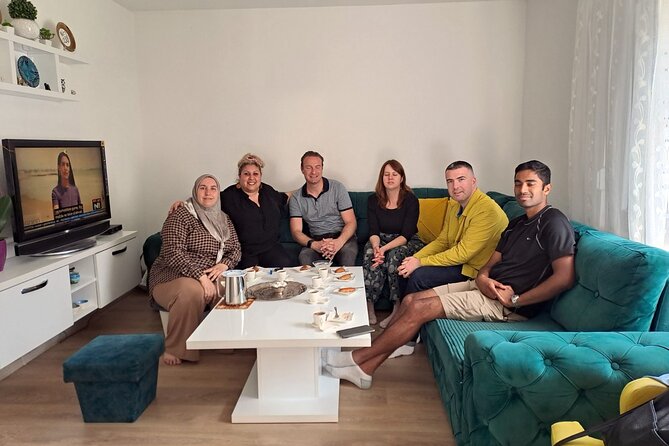
The home-hosted lunch in Srebrenica is the day’s most personal moment. You sit down to a full-course meal prepared from scratch by a local family.
The food uses organically grown ingredients from local farms connected with Srebrenica genocide survivors. That makes the meal more than a convenient break between stops. Your money and presence help support a small community dealing with unemployment, discrimination, and genocide denial.
The warm welcome is a major part of the experience. You may have the chance to talk with the person who prepared the meal and hear about life in Srebrenica now. The conversation can include beautiful memories as well as painful ones. You should listen with care and avoid treating the visit as a performance.
The lunch also gives you a chance to process what you have seen. After several hours of difficult material, sharing food in a home creates a human pause. The meal has been praised for its taste and hospitality, but its real value is the connection to people working toward a future in their own town.
There is one practical point to keep in mind: this is not a quick restaurant stop. Plan on about an hour, and be ready for the conversation to continue beyond the plate.
Walking through Srebrenica town
The schedule allows about an hour in the town of Srebrenica itself. Here, the guide adds further context about the genocide and shows you real places connected with what you learned at Potočari.
This stop is useful because it moves the story beyond the memorial grounds. Srebrenica is a living town, not only a site of remembrance. Seeing its streets and daily setting helps you understand the gap between memorial work and present-day life.
The visit may include a lunch break if timing requires it, though the home-hosted meal is the main food experience described for the day. Do not expect a long independent exploration. The tour is tightly timed, and the drive back to Sarajevo still lies ahead.
Guide quality and the human side
The guide can make or break a tour about a subject this serious. Here, the strongest praise has gone to guides who combine factual detail with personal warmth.
Adnan has been noted for giving strong context during the drive and answering questions carefully. Almir has spoken about his own wartime experience and remains positive despite discussing painful memories. Ado, who comes from the Srebrenica area, has added personal stories and local detail.
That does not mean the day will feel easy. It should not. But a guide who can explain the history without bitterness, answer difficult questions, and give you space when needed is a real asset.
You should ask questions, but also accept that some answers may be personal. The best conversations here are respectful and unhurried. Your guide is not only describing a distant event. For some guides, this is part of their own life.
Is $96.75 a fair price?
At $96.75 per person, this is a strong value if you want a structured Srebrenica visit from Sarajevo. The price covers pickup, private-vehicle transport, an English-speaking guide, the long return journey, the memorial visit, and a full-course lunch with a local family.
Admission to the memorial is free, so you are mainly paying for transport, guiding, planning, and the local meal. The value lies in the organization. Reaching Srebrenica independently would require arranging transportation and building your own historical context. You would also miss the local family connection unless you organized it separately.
A maximum of eight people keeps the outing smaller than a standard bus excursion. That matters on a three-hour drive and during a sensitive visit. You can ask questions and hear the guide more clearly.
The trade-off is time. Ten hours is a major commitment, and the return drive may feel tiring after the memorial. This is best booked when you have a full day available, not squeezed between other Sarajevo plans.
The tour is often booked about 53 days ahead, so early planning is sensible if your dates are fixed. Free cancellation is available up to 24 hours before the start time. Changes or cancellations inside that window are not accepted for a refund.
Who should book this experience?
I recommend this tour for you if you want historical context, direct local conversation, and a serious look at Bosnia’s recent past. It suits people who prefer a guided day with transport handled for them, especially those staying in Sarajevo without a car.
It is also a good choice if you want your spending to support local families. The lunch gives the day a practical community benefit rather than making it only an act of observation.
You may want to skip it if you have only a short time in Sarajevo, dislike long road journeys, or are not ready for emotionally difficult material. The memorial and massacre sites are not casual attractions. You should go with patience, respectful clothing, and enough mental space for the subject.
FAQ
How long does the Srebrenica tour take?
The tour lasts approximately 10 hours, beginning around 8:00 a.m. and ending back at the meeting point in Sarajevo.
Where does the tour begin and end?
It begins at Funky Tours, Besarina čikma 5, Sarajevo, and ends back at the meeting point.
Is hotel pickup available in Sarajevo?
Yes. Pickup can be arranged from a hotel, hostel, another address, or an agreed meeting place in Sarajevo.
How many people can join the tour?
The private vehicle and tour group are limited to a maximum of eight people.
Is the tour offered in English?
Yes. The experience is offered in English.
How much time is spent at the Potočari Memorial Centre?
The planned visit lasts about three hours, including the memorial centre and cemetery area.
Is lunch included?
Yes. A full-course, home-hosted lunch with a local family in Srebrenica is included.
Is there an admission fee for the memorial?
No. Admission to the Srebrenica Genocide Memorial Centre is listed as free.
What should I wear?
Smart casual clothing is requested, with respectful dress suitable for entering a Muslim cemetery.
Should you book it?
Yes, if you want to understand Srebrenica beyond a brief museum visit. The long drive is the price of reaching the place, but the day gives you far more than transportation and a memorial stop. You receive regional context, careful guiding, time at Potočari, a visit to Srebrenica town, and a meaningful meal with a local family.
Book it early if your Sarajevo dates are set, and keep the following evening light. You will return with plenty to think about. The strongest reason to go is not simply to see where history happened. It is to listen, remember, and support people who are still building a life there.
Just added around Sarajevo
- Srebrenica Genocide Tour from Sarajevo★ 4.5 · 3 reviews
- Mountain Village Lukomir Full Day Adventure Tour★ 5.0 · 3 reviews
- MTB Bjelasnica – Lukomir★ 5.0 · 3 reviews
- Sarajevo Under Siege: A City’s Struggle & Survival Tour★ 5.0 · 3 reviews
- Herzegovina Tour from Sarajevo: Mostar, Počitelj, Blagaj, Kravice★ 5.0 · 3 reviews
- Beautiful Bosnia 8 Days Tour Package★ 5.0 · 3 reviews
- Bosnian Kingdom Capitals: Travnik & Jajce Tour from Sarajevo★ 5.0 · 3 reviews
- Walking Tour in Sarajevo★ 5.0 · 3 reviews