
REVIEW · SREBRENICA MEMORIAL TOURS
Understanding Srebrenica Genocide – Day tour from Sarajevo
Some places ask you to listen carefully. This day trip takes you from Sarajevo to Srebrenica, where a museum, memorial cemetery, and survivor accounts explain one of Europe’s darkest chapters since World War II. I like the careful chronology on the drive, because the Bosnian War can be hard to understand without context. I also like the small group, limited to eight people, which gives you more time to ask questions.
The subject is painful, and the day is not light sightseeing. You will spend about two and a half hours each way on the road, with a total duration of roughly eight to ten hours. Lunch is not included, and restaurant choices near the memorial center are limited, so plan to eat in Srebrenica.
In This Review
- Key Things to Know Before You Go
- Why This Srebrenica Trip Matters
- Leaving Sarajevo at 8:00 AM
- The Srebrenica Genocide Museum in the Former Battery Factory
- The Memorial Room and Potocari Cemetery
- Srebrenica, Once an Industrial Center
- The Return Drive to Sarajevo
- What the $82.68 Price Covers
- The Guides Make the Difference
- Who Should Book This Day Trip?
- My Verdict on the Srebrenica Experience
- FAQ
- How long is the Srebrenica tour from Sarajevo?
- What time does the tour start?
- Where does the tour start?
- Is hotel pickup available?
- What language is the tour offered in?
- How many people can join the tour?
- Is lunch included in the price?
- What is included in the tour price?
- Can I cancel for a full refund?
Key Things to Know Before You Go
- The former Dutch battalion base now houses the Srebrenica Genocide Museum, with multimedia displays and a meeting with the curator.
- Potocari Memorial Center gives the visit its most solemn focus, with a memorial room and cemetery for identified victims.
- The drive from Sarajevo is part of the lesson, as your guide explains the chronology of the Yugoslav wars along the way.
- Srebrenica itself is included, giving you a look at a once-industrial town that suffered a severe decline after the war.
- Groups are capped at eight people, a useful size for a difficult subject that calls for questions and conversation.
- The $82.68 price includes transport, guide, water, snacks, and hotel pickup, but not lunch.
Why This Srebrenica Trip Matters
A visit to Srebrenica is not a quick photo stop. It asks you to make room for testimony, dates, names, and the physical places where events unfolded. If you are visiting Bosnia and Herzegovina to understand more than its cafés and mountain scenery, this is one of the most important day trips from Sarajevo.
The experience begins before you arrive. Your guide uses the drive to set out the chronology of the Yugoslav wars and explain how the Srebrenica enclave became central to the conflict. That preparation matters. Without it, the museum displays can feel like a wall of difficult facts. With it, you have a clearer sense of how the crisis developed and why the events of July 1995 had such a devastating impact.
I especially value the human scale of the guiding here. Ayyub is praised for his passion and command of the subject, while Kenan is described as friendly, accommodating, and strong at explaining Bosnian culture and history during the drive. Kenan also helped one visitor arrange onward transportation, which suggests a practical approach beyond simply following a timetable.
This is a serious visit, but it is not presented as a lecture from a distance. You can ask questions, discuss what you are seeing, and hear accounts connected to the local community. That personal element helps the facts remain clear without turning the day into a cold history lesson.
More Srebrenica memorial visits:
- From Sarajevo: Srebrenica Genocide Memorial Study Tour
★ 5.0 · 359 reviews - Sarajevo to Srebrenica: Genocide Study Tour with War Veteran
★ 5.0 · 131 reviews - Understanding Srebrenica Genocide Tour + Lunch with Local Family Included
★ 5.0 · 123 reviews
Leaving Sarajevo at 8:00 AM
The advertised start time is 8:00 in the morning. The meeting point is Kovači 25 in Sarajevo, and hotel pickup is offered. The details say pickup is available from hotels in Sarajevo, with the included pickup service especially noted for people staying outside the Old Town, so confirm the exact arrangement when booking.
The drive to Srebrenica takes about two and a half hours. That is a substantial stretch of road, but it serves a purpose. You are not being rushed from Sarajevo to a museum, given a few minutes, and sent home. The guide has time to explain the wider conflict, answer questions, and help you place Srebrenica within Bosnia’s wartime story.
The vehicle is air-conditioned, and WiFi, bottled water, and snacks are included. Those are modest comforts, but they matter on a long day. The drive has also been praised for feeling quick because of the conversation and guiding. I would still suggest bringing patience and a willingness to listen. This is a day when the road time is part of the experience, not dead time to be endured.
The Srebrenica Genocide Museum in the Former Battery Factory
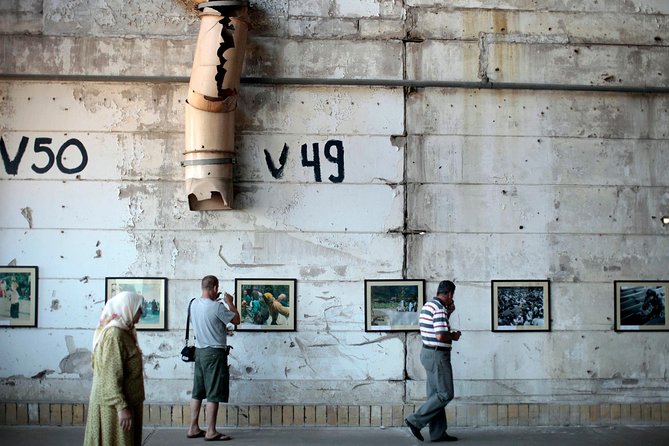
The first main stop is the former battery factory used by United Nations forces during the war. The building now contains the Srebrenica Genocide Museum, described as one of the most modern museums in Bosnia and Herzegovina.
The setting is important. You are not only viewing objects in a purpose-built exhibition hall. You are entering a former military headquarters linked directly to the international presence in the area. That physical connection gives the museum visit extra weight, especially when you understand that the Dutch battalion operated from this site during the conflict.
A curator meets the group and presents a first-hand account of survival in the Srebrenica enclave. That meeting is one of the strongest parts of the day because it brings a local voice into a subject that can otherwise be reduced to statistics and political decisions.
The museum uses multimedia displays and selected films to explain the chain of events that led to the massacre. Film can be a useful tool here, since it can show documents, locations, and personal accounts in ways that a short spoken explanation cannot. At the same time, the material is emotionally difficult. You should expect a serious atmosphere and allow yourself time to process what you see.
I like that the tour does not treat the museum as a box to check. The guide adds context to the displays and helps explain details that may not be obvious on a first visit. With a group of no more than eight, the setting should also make it easier to ask about dates, military decisions, and the meaning of specific exhibits.
The Memorial Room and Potocari Cemetery
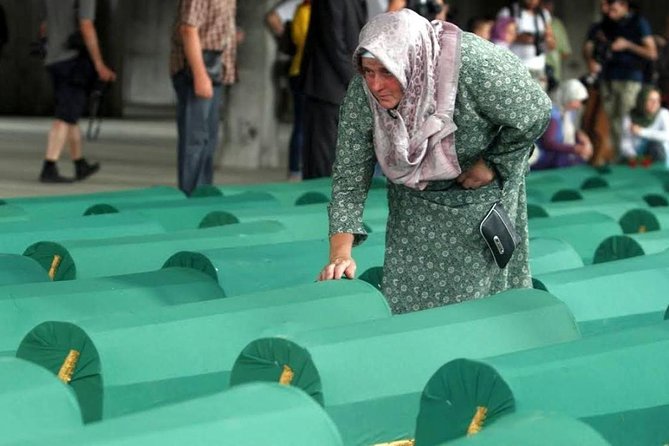
From the museum, the group continues to the memorial room at Potocari. Here you hear accounts of victims, prepared by a local journalist, before visiting the cemetery where identified victims are buried.
This is likely to be the quietest part of the day. The museum gives you evidence and chronology. The memorial room brings individual lives into focus. The cemetery then places those stories in a physical setting marked by rows of white memorial stones.
The visit calls for respect. You will have time to pay your respects, but the schedule also needs to keep moving because Srebrenica is a long drive from Sarajevo. I would not expect a loose, self-guided afternoon here. The value comes from the guide’s framing and from moving through the memorial sites in a considered order.
The cemetery is also a reminder that identification and burial have been ongoing parts of the aftermath. The information provided specifically notes that victims who have been found and identified rest there. That detail makes the memorial more than a symbolic site. It connects the cemetery to the continuing work of naming and honoring those who were killed.
If you prefer easygoing sightseeing, this section may feel overwhelming. That is not a flaw in the tour, but it is a point to consider before booking. You should come prepared for grief, silence, and personal stories rather than entertainment.
A few more of this kind worth a look:
- Sarajevo: Mostar, Konjic, Blagaj Tekke, Pocitelj & Waterfall
★ 4.9 · 1,335 reviews - Fall of Yugoslavia, Sarajevo War Tour with Tunnel of Hope Museum and Frontlines
★ 5.0 · 1,314 reviews - Sarajevo: Mostar, Konjic, Sufi House, Pocitelj & Kravice Falls
★ 5.0 · 1,179 reviews - ROSES OF SARAJEVO (Official WAR + CITY tour)- Story of a Survivor
★ 5.0 · 770 reviews
Srebrenica, Once an Industrial Center
After Potocari, the route continues into the city of Srebrenica. The town was once an industrial leader in the area. Today, it is described as a ghost city, a phrase that points to the scale of its decline and the lasting effects of war.
This stop broadens the day beyond the memorial itself. You see Srebrenica not only as the name of a massacre, but as a real town with an economic and social life that existed before the war. That context matters. It helps you understand what was lost when the population was displaced and the town’s role in the region collapsed.
Lunch takes place in Srebrenica because there are few restaurants close to Potocari Memorial Center. Lunch is not part of the $82.68 price, so budget separately. The exact meal and restaurant are not specified, but the town stop gives you the practical chance to eat before beginning the return journey.
I see this as a useful, if understated, part of the itinerary. The museum and cemetery carry the emotional center of the day. Srebrenica itself shows the longer shadow of the conflict, including the condition of a place after the headlines have faded.
The Return Drive to Sarajevo
Once the Srebrenica visit and lunch are complete, you return to Sarajevo by vehicle. The total day lasts about eight to ten hours, depending on timing and the pace of the stops.
The return journey can give you space to think over what you have seen. You may also want to ask follow-up questions while the information is fresh. Kenan’s conversations during the drive have been praised for covering Bosnian culture and history, not only the genocide, so the journey can add a broader view of the country.
Hotel drop-off is included at the end of the tour, and the listed end point is back at the starting meeting point. Since pickup arrangements vary by hotel location, confirm whether your lodging is covered directly or whether you should meet at Kovači 25.
What the $82.68 Price Covers
At $82.68 per person, this is not the cheapest way to spend a day outside Sarajevo. It is also more than a basic bus transfer, and that comparison is important. Your price includes a driver and tourist guide, an air-conditioned vehicle, WiFi, bottled water, snacks, hotel pickup service when required, and hotel drop-off.
The largest part of the value is the guide. Srebrenica is not a place where a transport-only arrangement gives you the full picture. The history is complex, and the tour’s main strength is the way the guide lays out the chronology before you reach the museum and adds context inside it.
The maximum group size of eight also helps justify the cost. A small group gives the guide more room to respond to questions and makes a sensitive visit feel less rushed and impersonal. A private tour is not advertised, but this is much smaller than a large coach excursion.
You should add money for lunch. Since there are not many restaurants near Potocari, the meal stop in Srebrenica is a practical necessity rather than an optional extra. Snacks and bottled water are supplied, but they do not replace a proper meal on an eight to ten-hour outing.
The Guides Make the Difference
The strongest praise is directed at the guides, especially Ayyub and Kenan. Ayyub is described as passionate and well informed about the subject. That passion is valuable here, as long as it is paired with care and restraint, which the feedback suggests it is.
Kenan receives particular praise for combining history with Bosnian culture and for making the long drive feel easy through conversation. He is also described as professional and accommodating. One visitor said he helped arrange onward transportation after the tour, a thoughtful touch if you are connecting to another destination.
A guide cannot make this subject comfortable, nor should the aim be to make it comfortable. The guide can make it understandable, respectful, and grounded in local experience. That is the standard I would use when judging this tour, and the information available points to a strong performance on those points.
Who Should Book This Day Trip?
I would recommend this experience to you if you want to understand Bosnia and Herzegovina through its recent past, not just its Ottoman streets, mountains, and food. It is particularly suited to people who value local explanation, survivor accounts, and memorial visits over a packed list of attractions.
The tour also suits solo visitors and small parties who prefer conversation with a guide. A group capped at eight keeps the setting personal without requiring the cost of a private vehicle.
You should think twice if you have limited time in Sarajevo and want to focus only on the city. The journey takes most of a day. You should also consider your emotional readiness. This is a difficult subject, and the visit includes films, survivor stories, victim accounts, and a cemetery.
The experience is offered in English. Most people can participate, according to the provided details, but no further accessibility information is specified. If you have mobility, medical, or other access needs, ask the provider before booking.
Free cancellation is available up to 24 hours before the start time for a full refund. Cancellations or changes made less than 24 hours before departure are not accepted for a refund.
My Verdict on the Srebrenica Experience
I would book this tour if Srebrenica is important to your understanding of Bosnia. The price is fair for a full-day outing with transport, a small group, an English-speaking guide, museum access, local testimony, and hotel service. The most valuable part is not the vehicle or the snacks. It is the careful explanation that connects the road from Sarajevo with the museum, memorial room, cemetery, and present-day town.
Go with time, attention, and respect. Do not expect a cheerful excursion or a quick history lesson. Expect a demanding day that may stay with you, and a guide such as Ayyub or Kenan who can help you face the subject with clarity and care.
FAQ
How long is the Srebrenica tour from Sarajevo?
The experience lasts approximately eight to ten hours. Srebrenica is about two and a half hours from Sarajevo by road.
What time does the tour start?
The listed start time is 8:00 AM.
Where does the tour start?
The meeting point is Kovači 25, Sarajevo 71000, Bosnia and Herzegovina.
Is hotel pickup available?
Yes. Pickup is offered from hotels in Sarajevo. The included details specifically note hotel pickup service for people staying outside Sarajevo’s Old Town, so confirm the arrangement for your hotel.
What language is the tour offered in?
The tour is offered in English.
How many people can join the tour?
The activity has a maximum of eight participants.
Is lunch included in the price?
No. Lunch is not included. The group eats in Srebrenica because there are few restaurants near Potocari Memorial Center.
What is included in the tour price?
The price includes a driver and tourist guide, an air-conditioned vehicle, WiFi on board, bottled water, snacks, hotel pickup service when required, and hotel drop-off.
Can I cancel for a full refund?
Yes. You can cancel at least 24 hours before the experience begins for a full refund. Cancellations made less than 24 hours before the start time are not refunded.
Just added around Sarajevo
- Srebrenica Genocide Tour from Sarajevo★ 4.5 · 3 reviews
- Mountain Village Lukomir Full Day Adventure Tour★ 5.0 · 3 reviews
- MTB Bjelasnica – Lukomir★ 5.0 · 3 reviews
- Herzegovina Tour from Sarajevo: Mostar, Počitelj, Blagaj, Kravice★ 5.0 · 3 reviews
- Sarajevo Under Siege: A City’s Struggle & Survival Tour★ 5.0 · 3 reviews
- Beautiful Bosnia 8 Days Tour Package★ 5.0 · 3 reviews
- Bosnian Kingdom Capitals: Travnik & Jajce Tour from Sarajevo★ 5.0 · 3 reviews
- Walking Tour in Sarajevo★ 5.0 · 3 reviews