
REVIEW · BOSNIAN WAR HISTORY TOURS
Sarajevo Under Siege: A War History Tour
Sarajevo’s past is impossible to miss. This private three-hour tour connects the White Fortress, Sniper Alley, and the Tunnel of Salvation with clear historical context and personal memories from guides who lived through the siege. I especially like the personal connection at Zetra Olympic Hall and the chance to see how the city’s wartime divisions still affect daily life.
The tour also offers private air-conditioned transport, hotel pickup in central Sarajevo, and a small-group setting limited to your party. The main consideration is emotional weight: stories of shelling, death, hunger, and divided memory are not easy listening. You’ll also pay an additional entrance fee at the Tunnel of Salvation, so the real cost is higher than the advertised $30.10.
In This Review
- Key points to know before booking
- Starting above Sarajevo at the White Fortress
- Zetra and the guide’s childhood during the siege
- Seeing Sniper Alley from the road
- The Tunnel of Salvation is the central visit
- Lukavica and the unfinished work of peace
- Sarajevo City Hall links culture and destruction
- How the private format affects the experience
- Price, timing, and overall value
- Who should book this tour?
- Should you book Sarajevo Under Siege?
- FAQ
- How long does the Sarajevo Under Siege tour last?
- What time does the tour start?
- Where does the tour begin and end?
- Is hotel pickup available?
- Is the tour private?
- Is the Tunnel of Salvation entrance fee included?
- What is included in the tour price?
- Can I cancel for a full refund?
Key points to know before booking
- The White Fortress opens the story with a citywide view, showing why Sarajevo’s position mattered long before the 1990s war.
- The guide’s personal wartime memories add unusual depth, including a childhood street and the place where his father was buried.
- Sniper Alley is seen from the vehicle, with stories about the danger of crossing the main avenue.
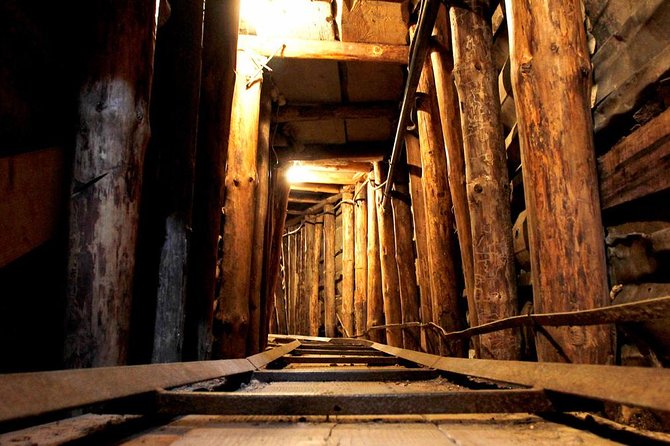
- The Tunnel of Salvation is the main visit, with an original tunnel section, wartime objects, and a short film.
- Lukavica reveals the city’s continuing political divisions, including former front lines and murals glorifying wartime figures.
- The price is good for private transport and guiding, but adults pay an extra €10.25 entrance fee, or €5.25 for students.
Starting above Sarajevo at the White Fortress
The tour begins at Vijećnica, Sarajevo’s grand City Hall, unless you arrange central hotel pickup. From there, you ride up to Bijela Tabija, the White Fortress, for a half-hour stop.
This is a smart opening. Before discussing the Siege of Sarajevo, your guide gives you the city from above. The view helps you understand the tight valley, the surrounding hills, and the routes that made Sarajevo both attractive and vulnerable. The fortress itself dates to the 16th century, and its walls connect the modern war to the city’s Ottoman past.
You do not pay an admission fee for this stop. Bring shoes suitable for uneven ground, since the fortress is a historic site rather than a polished modern attraction. The payoff is the panorama and the chance to get your bearings before the heavier parts of the tour begin.
Your guide can explain Sarajevo’s strategic position across several periods, then bring the subject forward to the 1992 to 1995 siege. That shift from broad history to lived experience gives the tour a useful shape. You are not simply shown a lookout and told to take photographs. You are given a framework for understanding what you see.
More war history tours:
- Fall of Yugoslavia, Sarajevo War Tour with Tunnel of Hope Museum and Frontlines
★ 5.0 · 1,314 reviews - ROSES OF SARAJEVO (Official WAR + CITY tour)- Story of a Survivor
★ 5.0 · 770 reviews - Tunnel Museum: Bosnian & Yugoslav Wars Tour with War Veteran
★ 5.0 · 551 reviews
Zetra and the guide’s childhood during the siege
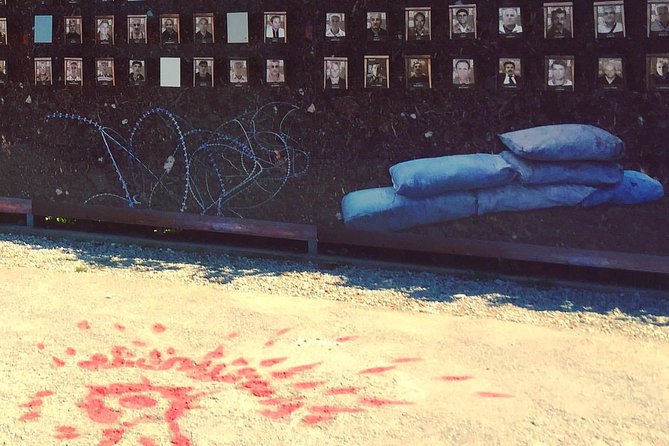
The visit near Zetra Olympic Hall is one of the most personal parts of the experience. Here, the guide shares memories of growing up during the war, close to a former maternity hospital that was heavily bombed.
The stop lasts about 15 minutes, but its meaning is larger than its length. You hear about childhood under shelling, daily survival, and the ordinary routines that continued beside extraordinary danger. The guide also points out the street where he grew up and played, along with the place where his father was buried.
That detail changes the tone of the tour. The siege was not only a military event recorded in dates and maps. It was also school-age children trying to live normal lives, families finding food and water, and neighborhoods learning to react to incoming fire. A personal account can make those facts easier to understand, but it can also make the stop emotionally difficult.
The guide’s name appearing in the tour feedback is Suvad, while another booking praised a guide named Evan. That suggests the provider may use more than one guide, so your exact storytelling style can vary. The consistent strength described is the use of firsthand memories and careful answers to questions.
Seeing Sniper Alley from the road
The vehicle then follows part of the avenue known during the war as Sniper Alley. It was a main route through Sarajevo, but movement along it exposed people to sniper fire from the hills and surrounding buildings.
You will not recreate the danger, of course. You see a modern city road, with buildings and traffic replacing much of the wartime appearance. That contrast is the point. Your guide explains how people risked crossing the street to collect food, fetch water, or reach safer places.
This is a drive-by section, not a long walking stop. That makes it efficient within a three-hour schedule, though you should not expect a museum-style presentation at every location. If you want extended time to photograph or examine the avenue, this part may feel brief.
I like the way Sniper Alley functions as a bridge between personal stories and the wider siege. At Zetra, you hear what war did to one neighborhood and one family. Here, you begin to picture the danger faced by an entire city.
The Tunnel of Salvation is the central visit
The strongest stop is the Tunnel of Salvation, also called the Tunnel of Hope. You spend about 1 hour and 20 minutes here, making it the longest section of the tour by far.
The tunnel was dug beneath the airport runway in 1993. It connected besieged Sarajevo with territory outside the encircled city and allowed food, medicine, and other supplies to enter. It also offered a route for people trying to get through the siege.
You walk through a section of the original passage. The tunnel is narrow, and that physical limitation matters. A map can show a supply route, but walking through a confined section helps you picture the effort required to keep the city connected. You also see authentic wartime objects and watch a short documentary about the siege.
The adult entrance fee is €10.25 per person. Students pay €5.25. These fees are not included in the tour price, so budget for them when comparing options. The extra charge is reasonable for the site, but it means the advertised $30.10 is not your complete cost.
Several positive experiences with this tour focus on the tunnel. That makes sense because it gives the war a physical center. You are not only hearing about survival systems. You are seeing the place that carried supplies, medicine, and hope through a city cut off from much of the outside world.
The tunnel visit also gives the guide room to answer questions. One strong account praised the tour for covering the tunnel, cemeteries, and museums, though this specific route lists the tunnel and wartime sites rather than promising a separate museum visit. I would treat the tunnel as the confirmed main attraction and ask in advance if you want additional museum time.
More history-first tours:
- East Bosnia & West Serbia UNESCO heritage day tour from Sarajevo
★ 5.0 · 55 reviews - Sarajevo Full Day Tour: History, Culture, Nature, War & Olympics
★ 5.0 · 27 reviews - Sarajevo genuine walking tour: Steps through history
★ 5.0 · 22 reviews - SARAJEVO STREET ART TOUR (art, history & mystery) – sARTajevo!
★ 5.0 · 18 reviews
Lukavica and the unfinished work of peace
After the tunnel, the tour drives through Lukavica. During the siege, this area was part of the front line. Today it belongs to Republika Srpska, one of the two entities created within Bosnia and Herzegovina after the Dayton Peace Agreement.
This section moves beyond battlefield history. Your guide explains how the post-war political arrangement reshaped Sarajevo and left divisions that remain visible in streets, symbols, and public memory. You may see graffiti and murals that praise wartime figures such as Ratko Mladić.
That material deserves a serious, respectful approach. The point is not to turn political symbols into photo props. It is to show that peace did not erase competing versions of the past. A good guide can help you understand why identity, territory, and memory remain sensitive issues in Bosnia and Herzegovina.
Lukavica may be the least visually dramatic part of the route, but it gives the tour its present-day relevance. You learn that the siege is not a sealed chapter. Its effects still shape how parts of Sarajevo are named, remembered, and politically understood.
Sarajevo City Hall links culture and destruction
The tour concludes at Vijećnica, Sarajevo City Hall, and returns to the meeting point. The building was completed in 1896 during Austro-Hungarian rule and later served as the National Library.
In August 1992, Serbian forces shelled the building. Nearly two million books and manuscripts were destroyed in the fire. The restored interior and exterior now represent both the loss of Sarajevo’s cultural record and the city’s effort to rebuild.
Starting and ending at City Hall gives the route a neat structure. At the beginning, you may only see it as a striking Austro-Hungarian building. At the end, you understand why it carries such importance for Sarajevo’s identity.
If you have time after the tour, you can visit the building on your own, though the entrance fee for that separate visit is not provided here. The tour itself focuses on its wartime story and restoration rather than promising a full interior visit.
How the private format affects the experience
This is a private tour, so only your group participates. That is a major benefit for a subject that often raises personal and political questions. You can pause to ask about a detail, request clarification, or give the guide a moment when the subject becomes heavy.
The tour includes a private air-conditioned vehicle and WiFi on board. Driving matters in Sarajevo because the route links hilltop, neighborhood, tunnel, and former front-line areas that would be difficult to combine on foot in three hours.
Pickup is offered from hotels or other locations in Sarajevo city center. The guide begins pickup about 15 minutes before the 1:30 pm start. If you stay outside the center, contact the provider ahead of time to arrange the details.
The stated meeting point is Vijećnica, at Hafiza Ibrahima Trebinjca 10. The activity ends back there. Confirmation arrives when you book, and the tour is listed as suitable for most people and close to public transportation.
The three-hour estimate includes driving between stops, so do not picture three full hours of walking through historical sites. The schedule is active but manageable, with the tunnel receiving the most time.
Price, timing, and overall value
At $30.10 per person, the tour is competitively priced for a private experience with a vehicle and an English-speaking guide. The value is strongest if you are traveling with family or friends and want the freedom of a private group without paying for a full-day excursion.
Add the entrance fee to the Tunnel of Salvation: €10.25 for adults or €5.25 for students. Because the advertised price is in dollars and the site fee is in euros, check the current exchange rate and total before booking.
The afternoon departure at 1:30 pm can work well if you want a slower morning in Sarajevo. It also means the tour may extend into later afternoon light, which can affect the White Fortress view depending on the season. No exact finish time is supplied beyond the approximate three-hour duration.
The provider allows free cancellation up to 24 hours before the start time. Changes or cancellations made later are not accepted for a refund. The tour can also be moved or refunded if poor weather prevents operation or if the minimum number of participants is not reached.
Who should book this tour?
I would choose this tour if you want a serious introduction to the Siege of Sarajevo and prefer a guide who can connect military events to ordinary family life. The personal account at Zetra and the long visit to the tunnel make it more meaningful than a quick drive past war memorials.
It suits adults, older teenagers, students, and anyone interested in modern European history, political geography, or post-war reconciliation. It may also work well early in a Sarajevo visit, since the White Fortress gives you a useful view of the city and the later stops explain many of its modern scars.
I would think twice if you want a light sightseeing outing. This is not a cheerful city tour with a few historical facts added. The material includes death, bombardment, destroyed cultural treasures, and unresolved political memory.
Bring water, wear practical shoes, and leave room for questions. The strongest guides on this route are not simply reciting dates. They are helping you listen carefully to a painful part of Sarajevo’s story.
Should you book Sarajevo Under Siege?
Book it if the Tunnel of Salvation, the siege itself, and personal wartime testimony are priorities. The private format, central pickup, air-conditioned vehicle, and direct access to several important sites make the price fair, even after the tunnel fee.
Skip it if you have only a short tolerance for difficult subject matter or want extensive time inside museums. For most people seeking a serious, human account of Sarajevo’s recent past, this is a focused and worthwhile three-hour choice.
FAQ
How long does the Sarajevo Under Siege tour last?
The tour lasts approximately three hours, including driving between the listed locations.
What time does the tour start?
The stated start time is 1:30 pm. Pickup begins about 15 minutes earlier.
Where does the tour begin and end?
The listed meeting point is Vijećnica, at Hafiza Ibrahima Trebinjca 10 in Sarajevo. The tour ends back at the meeting point.
Is hotel pickup available?
Yes. Pickup is offered from hotels or other locations within Sarajevo city center. If you are staying outside the center, additional arrangements can be made in advance.
Is the tour private?
Yes. Only your group participates in this private activity.
Is the Tunnel of Salvation entrance fee included?
No. Adults pay an entrance fee of €10.25 per person, while students pay €5.25 per person.
What is included in the tour price?
The price includes an air-conditioned vehicle, private transportation, and WiFi on board. The Tunnel of Salvation entrance fee is not included.
Can I cancel for a full refund?
You can cancel up to 24 hours before the experience start time for a full refund. Late cancellations and changes are not accepted for a refund. If poor weather or an insufficient number of participants causes cancellation, you are offered another date or experience, or a full refund.
Just added around Sarajevo
- Srebrenica Genocide Tour from Sarajevo★ 4.5 · 3 reviews
- Mountain Village Lukomir Full Day Adventure Tour★ 5.0 · 3 reviews
- MTB Bjelasnica – Lukomir★ 5.0 · 3 reviews
- Sarajevo Under Siege: A City’s Struggle & Survival Tour★ 5.0 · 3 reviews
- Herzegovina Tour from Sarajevo: Mostar, Počitelj, Blagaj, Kravice★ 5.0 · 3 reviews
- Beautiful Bosnia 8 Days Tour Package★ 5.0 · 3 reviews
- Bosnian Kingdom Capitals: Travnik & Jajce Tour from Sarajevo★ 5.0 · 3 reviews
- Walking Tour in Sarajevo★ 5.0 · 3 reviews
Bosnian War History Tours, compared.

Fall of Yugoslavia, Sarajevo War Tour with Tunnel of Hope Museum and Frontlines
Read our review →
ROSES OF SARAJEVO (Official WAR + CITY tour)- Story of a Survivor
Read our review →
Tunnel Museum: Bosnian & Yugoslav Wars Tour with War Veteran
Read our review →
Sarajevo War Tour: A Veteran’s Story of the Siege (fees included)
Read our review →
Break-up of Yugoslavia & The War in Mostar: Life Under Siege
Read our review →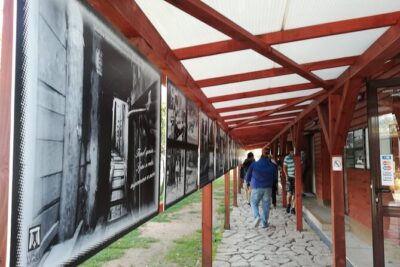
Sarajevo Grand Tour: Old Town, War Tunnel, Olympic Sites & More
Read our review →Browse the lists this tour appears in