
REVIEW · BOSNIAN WAR HISTORY TOURS
Sarajevo Under Siege War Half Day Tour
Sarajevo’s hills still carry the city’s wartime story. This half-day tour connects the Tunnel of Hope with Mount Trebevic, former front lines, and the abandoned 1984 Olympic bobsleigh track. I like the mix of serious history and striking city views, and I especially like that guides such as Kamer explain the conflict through family stories and ordinary human experiences. The main consideration is emotional weight: this is not a light sightseeing outing, and some visitors may find the war footage and siege accounts difficult.
You’ll travel in an air-conditioned vehicle, which matters because the tunnel museum and Trebevic are outside central Sarajevo. I also appreciate the small maximum of 20 people, though the experience may feel different in a larger shared group than it does as a private tour. Plan on roughly three to four hours, and allow extra attention for the outdoor walking portion.
In This Review
- Key points at a glance
- Why this tour helps explain Sarajevo
- At the Tunnel of Hope Museum
- Seeing Sarajevo from Mount Trebevic
- Walking the abandoned Olympic bobsleigh track
- How the guides shape the experience
- Transport, group size, and the half-day pace
- Is $53.47 a fair price?
- Who should book this Sarajevo war tour?
- Should you book the Under Siege War Half Day Tour?
- FAQ
- How long does the Sarajevo Under Siege War Half Day Tour last?
- Where does the tour begin and end?
- Is transportation included?
- What places does the tour visit?
- Is the tour available as a private experience?
- What is the cancellation policy?
Key points at a glance
- The Tunnel of Hope gives the tour its clearest wartime focus: You see a short film with authentic war footage, visit the tunnel, and explore the museum with a guide’s explanation.
- Mount Trebevic adds a powerful sense of place: The hill provides broad views over Sarajevo and helps you understand how the surrounding heights affected the city during the siege.
- The Olympic bobsleigh track is an unusual second stop: You walk down the abandoned track built for the 1984 Winter Olympics, linking Sarajevo’s proud Olympic past with its later destruction.
- Guide-led storytelling is central: Kamer is repeatedly praised for patient explanations, personal family connections, and thoughtful answers to questions. Jasmin is also named as a caring and informative host.
- Transport saves time: Pickup is offered, and private transportation in an air-conditioned vehicle is included.
- The price reflects more than museum entry: At $53.47 per person, you are paying for transport, guiding, context, and several locations in a compact outing.
Why this tour helps explain Sarajevo
Sarajevo’s 1990s war can be hard to understand from a casual walk through the old town. The streets today are active and welcoming, but the siege shaped nearly every part of modern Sarajevo. To understand it, you need to leave the center and see the hills, access routes, and surviving wartime sites.
This tour gives you that wider view in a short period. It begins with the Tunnel of Hope, then moves toward Trebevic and the bobsleigh track. Along the way, the guide explains the background, causes, course, and outcome of the conflict, including where the war began and how the siege affected daily life.
I think the guide makes the largest difference here. The museum itself has no English-language explanation, so an English-speaking guide is especially useful. Kamer is praised for explaining the material clearly, answering questions without rushing, and sharing stories connected to people who lived through the siege. He was young during the war, or born after it, depending on the individual account, so the value is not a claim of personal battlefield experience. His role is to connect the history with family memories and local knowledge.
That approach can make the subject easier to grasp. Dates and military movements matter, but stories about surviving residents help you picture what the siege meant for homes, families, food, movement, and fear. The tour appears to keep those stories human rather than treating the war as a collection of ruins and dramatic photographs.
More war history tours:
- Fall of Yugoslavia, Sarajevo War Tour with Tunnel of Hope Museum and Frontlines
★ 5.0 · 1,314 reviews - ROSES OF SARAJEVO (Official WAR + CITY tour)- Story of a Survivor
★ 5.0 · 770 reviews - Tunnel Museum: Bosnian & Yugoslav Wars Tour with War Veteran
★ 5.0 · 551 reviews
At the Tunnel of Hope Museum
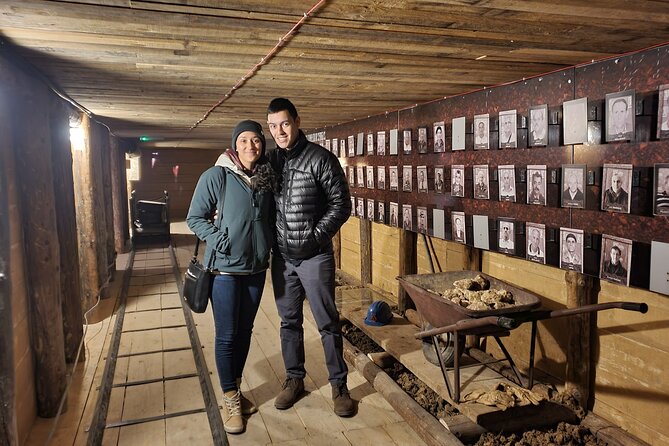
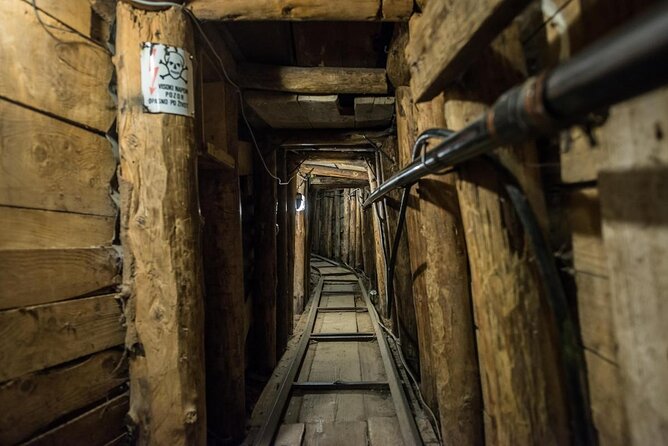
The Sarajevo War Tunnel is the tour’s most important stop. You spend about an hour here, including a short film with authentic footage from the war, the tunnel itself, and a museum visit.
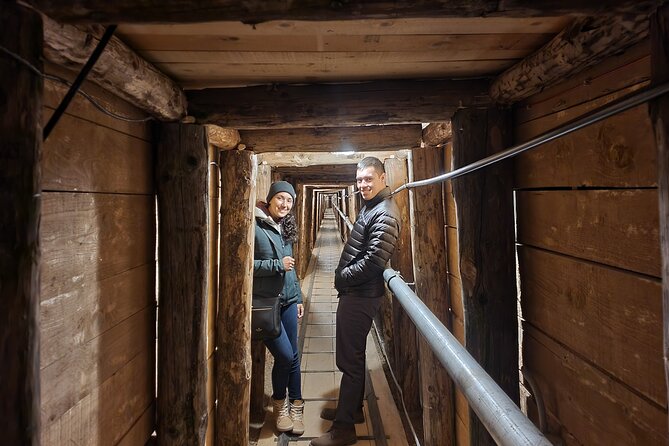
The tunnel is known as the Tunnel of Hope because it provided a lifeline during the siege. The tour description does not give the exact length of the section open to the public, so you should not expect to walk through the entire wartime passage. Still, entering the surviving portion gives the site a physical presence that photographs cannot provide.
The short film sets the tone. Authentic footage can be more confronting than a standard museum display, and this is one reason I would not treat the tour as a casual rainy-day activity. You will likely come away with a clearer sense of the pressure facing people inside the city, but you should be prepared for difficult images and serious subject matter.
The museum adds objects and displays to the story. Since the museum has no English information according to one solo visitor’s experience, the guide’s narration is not a minor extra. It is a practical part of the visit. Ask questions as you go, especially if you are unfamiliar with the breakup of Yugoslavia or the sequence of events that led to the siege.
I would also listen for the distinction between what is documented in the displays and what comes from local family memory. A good guide can help you understand both. Kamer’s strongest praise centers on his ability to explain the wider history first, then connect it to specific places and personal stories.
The one-hour timing is useful. It gives enough room for the film, the museum, and the tunnel without turning the stop into an exhausting lecture. At the same time, the subject is dense, so you may still want to spend more time later reading about the conflict if this is your first introduction.
Seeing Sarajevo from Mount Trebevic
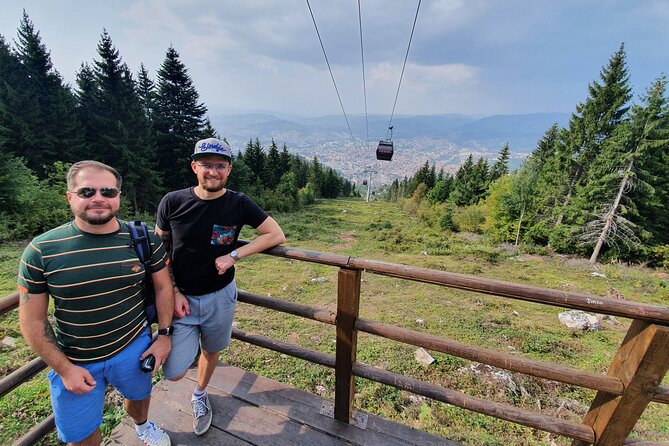
After the tunnel, the tour heads toward Mount Trebevic, where you see the former front lines and broad views over Sarajevo. This part changes the way you read the city.
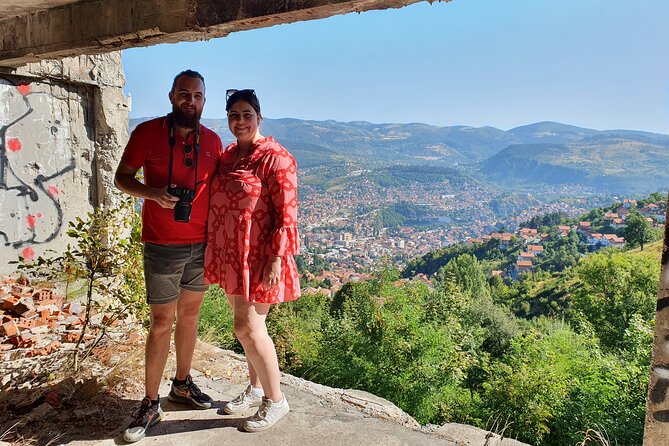
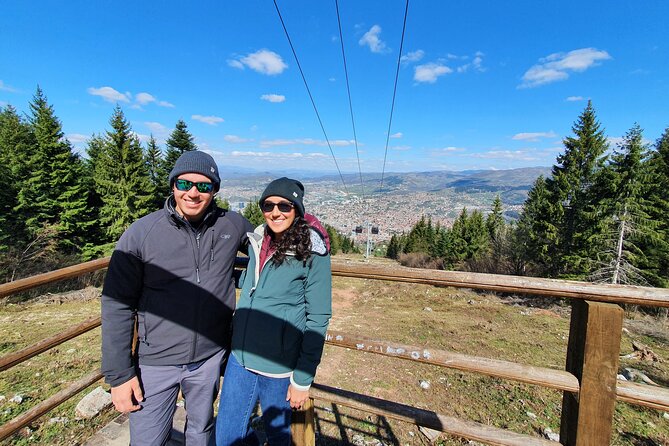
From the center, Sarajevo can seem enclosed by hills. From Trebevic, you can look back across the city and understand its position more clearly. The tour description highlights panoramic views, while the guide uses the setting to point out wartime locations and explain how the surrounding heights mattered during the siege.
This is not only a photo stop. The view gives scale to the history. You can see why the hills were strategically important and why the city’s residents lived under such intense pressure. A guide who knows the relevant locations can turn a general panorama into a useful map.
The exact length of the Trebevic portion is not listed separately, so the pace may depend on traffic, weather, and the group. You should expect time outside and bring suitable shoes. The itinerary includes walking at the bobsleigh track, and the combined hill portion may be less comfortable in poor weather.
The best part of this stop is the contrast. Sarajevo is a beautiful city, and the views can be calm and impressive. Yet the guide is asking you to look at the same hills through the experience of war. That tension is important. The tour does not present Sarajevo only as a place of tragedy, nor does it let the scenery soften what happened.
Walking the abandoned Olympic bobsleigh track
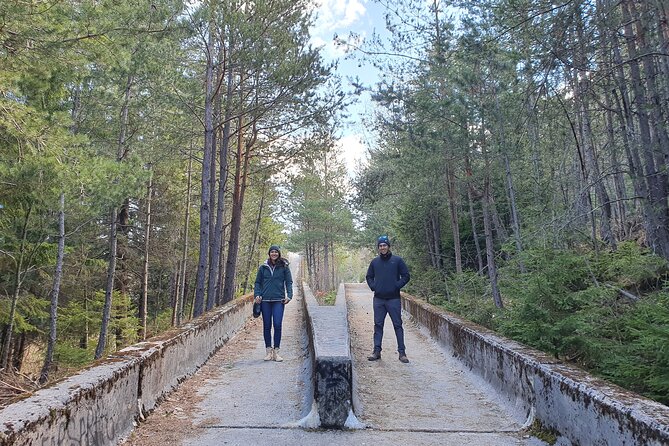
The second listed stop takes about 30 minutes and involves walking down the abandoned bob sleigh and luge track from the 1984 Olympics. The track is one of the tour’s most unusual elements.
Sarajevo hosted the 1984 Winter Olympics, a proud moment that still matters to the city’s identity. Walking along the unused track lets you see a very different side of that Olympic story. The structure is now abandoned, and its wartime setting gives the visit a stark visual quality.
Several people specifically praise this stop, including visitors who remember the 1984 Games. That personal connection adds something special: the track is not just a decaying sports facility, but a reminder of Sarajevo before the war. The stop links international optimism, local pride, conflict, and the city’s continuing life in one physical place.
The walk is short, but do not confuse short with effortless. You are walking on an abandoned track rather than a polished museum floor. The supplied information does not specify the surface condition, slope, or accessibility details, so wear practical footwear and take care on uneven ground.
You can also expect the track to be visually appealing for photographs. Still, the setting deserves more than a quick picture. Let the guide explain how the Olympic site fits into the story of Trebevic and Sarajevo. The human contrast between the Games and the siege is what gives this stop its force.
A few more of this kind worth a look:
- Sarajevo: Mostar, Konjic, Blagaj Tekke, Pocitelj & Waterfall
★ 4.9 · 1,335 reviews - Sarajevo: Mostar, Konjic, Sufi House, Pocitelj & Kravice Falls
★ 5.0 · 1,179 reviews - Sarajevo: Mostar, Konjic, Počitelj, Sufi House, & Waterfalls
★ 4.9 · 572 reviews - Sarajevo: 2 Hours Old Town Walking Tour With Local Guide
★ 5.0 · 505 reviews
How the guides shape the experience
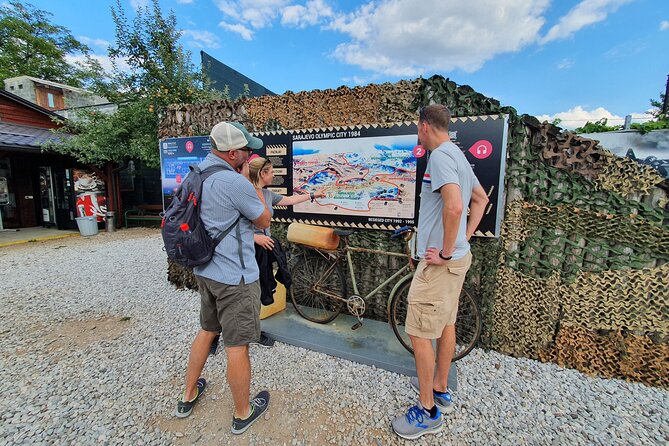
This tour depends heavily on the person leading it. The guide is not simply driving you between two attractions. The guide supplies the historical frame, translates the museum material into English, points out significant locations, and responds to questions.
Kamer receives the strongest praise. His style is described as professional, friendly, patient, and open to questions. He is also praised for taking his time rather than pushing the group through each stop. That matters on a war tour because visitors arrive with very different levels of background knowledge.
Some people come knowing little about the war and want a clear introduction. Others have studied the breakup of Yugoslavia and want to ask detailed questions. A guide who can handle both groups makes the short format work better.
Kamer also appears to use humor and conversation carefully during private outings. That can make a serious tour feel more approachable without making light of the subject. The best version of this experience is not cold or purely academic. It is personal, respectful, and willing to acknowledge the ordinary people behind the historic events.
Jasmin is also named positively as a caring host who shared information about the war and Sarajevo with openness. Because guides can vary, your experience may not be identical to another group’s. Still, the repeated praise for the guiding style suggests that Torus Tours treats interpretation as the heart of the outing.
If you have questions, ask them. The guides are specifically praised for answering honestly and patiently. You can ask for help placing the siege within the wider history of Yugoslavia, or for clarification about something shown in the film or museum.
Transport, group size, and the half-day pace
The tour begins at the Torus Tours office at Obala Isa-bega Ishakovića 3 and ends back at the same meeting point. Pickup is offered, and private transportation in an air-conditioned vehicle is included.
That transport is a real advantage. The two main stops are not simply next door to one another, and the drive toward Trebevic adds time and elevation. You can focus on the guide’s explanation instead of working out connections on public transport.
The maximum group size is 20 people. That is not the same as a guaranteed private tour, so check the booking terms if having a private vehicle or private guide is important to you. Private tours are available in at least some cases, and the supplied experiences include especially positive comments from people who chose that format.
A three to four hour duration is enough for a focused introduction, not a complete study of Sarajevo’s wartime past. The tour includes the key tunnel visit, the Olympic track, views from Trebevic, and driving between important areas. You will leave with a framework for the history and a stronger sense of place.
The compact schedule also makes this a useful first-day or second-day activity. It gives you context that can improve later sightseeing around Sarajevo. Afterward, you may notice wartime traces in the city center that would otherwise pass without explanation.
Is $53.47 a fair price?
At $53.47 per person, this is not the cheapest way to spend half a day in Sarajevo. The value comes from the combination of transport and interpretation rather than from expensive admissions. The tunnel museum admission is listed as included at no extra charge, and the Olympic track has no separate admission charge.
If you tried to arrange the same outing independently, you would still need to reach the tunnel and Trebevic, coordinate timing, and understand what you are seeing. You would also lose the guide’s English explanation inside a museum with no English text.
For me, the price is reasonable if you want a structured introduction to the siege and do not have a car. It is also a good fit if you value personal stories and the chance to ask questions. The calculation is less favorable if you already know the history well, prefer independent visits, or only want scenic views.
Group discounts may be available, and the experience is sometimes booked around 30 days ahead. That suggests planning early if your Sarajevo schedule is fixed, though confirmation is sent within 48 hours and remains subject to availability.
Who should book this Sarajevo war tour?
I would recommend it to first-time visitors who want to understand Sarajevo beyond its cafes, bridges, and old-town streets. It suits anyone interested in the breakup of Yugoslavia, modern European history, the 1984 Olympics, or the daily experience of civilians during conflict.
It also works well for solo visitors. One solo participant booked with short notice and found the guide helpful in making the English-only museum understandable. Families can take part too, with one family including a baby daughter during a private outing, though parents should decide if the war footage and subject matter suit their children.
You should choose carefully if you dislike graphic historical material, have difficulty walking on an abandoned outdoor track, or want a relaxed sightseeing trip. The tour is respectful, but it cannot make the subject easy.
Free cancellation is available when you cancel at least 24 hours before the start time. Cancellations within 24 hours are not refunded, and the operator may offer a new date or a full refund if the minimum number of participants is not reached.
Should you book the Under Siege War Half Day Tour?
Book it if you want a clear, human introduction to Sarajevo’s siege, especially if you appreciate having difficult history explained on site. The Tunnel of Hope, Trebevic viewpoints, and Olympic bobsleigh track form a strong combination, and the air-conditioned transport makes the route simple.
I would be most inclined to book a private version if you have the option and want time for questions. A shared group should still provide solid value, but the tour’s greatest strength is conversation with the guide, so a smaller setting can make that part even better.
Skip it if you are looking only for scenic Sarajevo or if you already have a detailed war-history itinerary. For most first-time visitors, though, this is a thoughtful and practical way to understand how the city’s beauty, Olympic pride, and wartime scars fit together.
FAQ
How long does the Sarajevo Under Siege War Half Day Tour last?
The experience lasts approximately three to four hours.
Where does the tour begin and end?
It begins at the Torus Tours office at Obala Isa-bega Ishakovića 3 in Sarajevo and ends back at the same meeting point.
Is transportation included?
Yes. Private transportation in an air-conditioned vehicle is included, and pickup is offered.
What places does the tour visit?
The tour visits the Sarajevo War Tunnel and its museum, Mount Trebevic and former front-line areas, and the abandoned 1984 Olympic bobsleigh and luge track.
Is the tour available as a private experience?
Private tours have been offered, although the standard activity can have a maximum of 20 participants. Check availability when booking if you specifically want a private tour.
What is the cancellation policy?
You can receive a full refund if you cancel at least 24 hours before the experience begins. Cancellations or changes made within 24 hours are not accepted for a refund.
Just added around Sarajevo
- Srebrenica Genocide Tour from Sarajevo★ 4.5 · 3 reviews
- Mountain Village Lukomir Full Day Adventure Tour★ 5.0 · 3 reviews
- MTB Bjelasnica – Lukomir★ 5.0 · 3 reviews
- Sarajevo Under Siege: A City’s Struggle & Survival Tour★ 5.0 · 3 reviews
- Herzegovina Tour from Sarajevo: Mostar, Počitelj, Blagaj, Kravice★ 5.0 · 3 reviews
- Beautiful Bosnia 8 Days Tour Package★ 5.0 · 3 reviews
- Bosnian Kingdom Capitals: Travnik & Jajce Tour from Sarajevo★ 5.0 · 3 reviews
- Walking Tour in Sarajevo★ 5.0 · 3 reviews
Bosnian War History Tours, compared.

Fall of Yugoslavia, Sarajevo War Tour with Tunnel of Hope Museum and Frontlines
Read our review →
ROSES OF SARAJEVO (Official WAR + CITY tour)- Story of a Survivor
Read our review →
Tunnel Museum: Bosnian & Yugoslav Wars Tour with War Veteran
Read our review →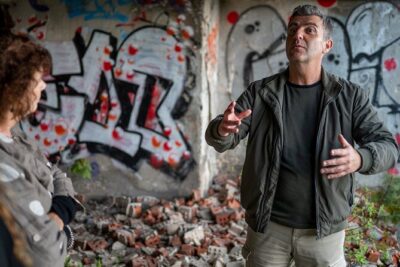
Sarajevo War Tour: A Veteran’s Story of the Siege (fees included)
Read our review →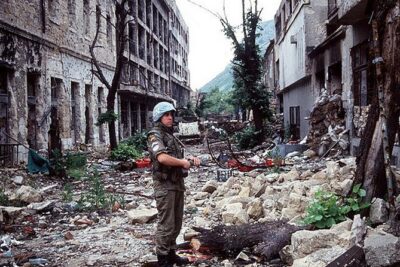
Break-up of Yugoslavia & The War in Mostar: Life Under Siege
Read our review →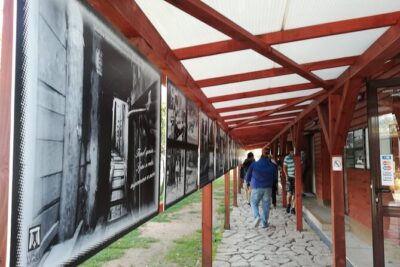
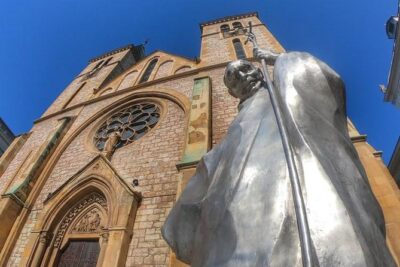
Sarajevo Grand Tour: Old Town, War Tunnel, Olympic Sites & More
Read our review →Browse the lists this tour appears in