
REVIEW · BOSNIAN WAR HISTORY TOURS
The Siege of Sarajevo Tour
Sarajevo’s past is impossible to miss. This private four-hour tour connects the city’s wartime sites with personal stories, taking you from burned landmarks and sniper positions to the Tunnel of Hope, Trebević Mountain, the Jewish Cemetery, and the Yellow Fortress. I like the small private format and the chance to hear the history explained by a local guide rather than moving from stop to stop with only a brochure.
I also like that the tour includes hotel pickup, an air-conditioned vehicle, bottled water, and several major sights for $34.91 per person. The main drawback is that the War Tunnel museum ticket costs extra, and the subject matter is painful. This is not a light sightseeing outing, so you should be ready for difficult stories and serious reflection.
In This Review
- Key points at a glance
- Why this four-hour tour matters
- Sarajevo City Hall and the first view of wartime damage
- The boulevard that became a sniper corridor
- Asim Ferhatovic Hase Stadium and the Olympic legacy
- The Tunnel of Hope, the tour’s central stop
- Trebević Mountain and the abandoned bobsleigh track
- The Jewish Cemetery and Sarajevo’s exposed hillside
- The Yellow Fortress and Kovači Cemetery
- What the $34.91 price includes
- Who should book this experience?
- Should you book the Siege of Sarajevo Tour?
- FAQ
- How long is the Siege of Sarajevo Tour?
- Where does the tour begin?
- Where does the tour end?
- Is hotel pickup available?
- Is this a private tour?
- Is transportation provided?
- Is the War Tunnel museum ticket included?
- What sites are visited?
- Can I cancel for a full refund?
Key points at a glance
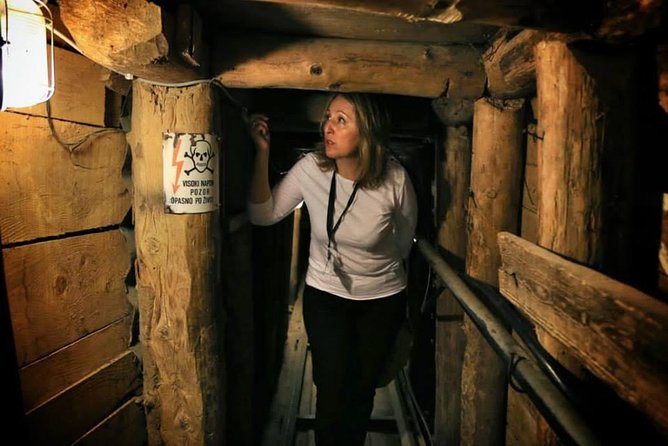
- The Tunnel of Hope is the emotional center: You watch a short film, enter part of the tunnel, and see the house where it was concealed.
- Sarajevo’s main boulevard tells a grim story: The road once became dangerous for civilians because of sniper positions.
- Trebević adds an Olympic chapter: The abandoned bobsleigh track links the 1984 Winter Olympics with the mountain’s later role during the siege.
- The Jewish Cemetery offers a clear view of the city’s wartime geography: Its elevated position made it a front line and sniper location.
- The Yellow Fortress combines history and views: You can see Sarajevo, Kovači Cemetery, and the burial place of defenders and Bosnia and Herzegovina’s first president.
- The private setup keeps the pace personal: You can travel with your own group, request hotel pickup, and return to Sarajevo City Hall at the end.
Why this four-hour tour matters
Sarajevo is compact enough to explore on foot, but the Siege of Sarajevo is easier to understand when you see the city from several angles. This tour moves between central streets, hills, cemeteries, sporting sites, and a wartime supply route. That change in scenery helps you understand how the city functioned during the conflict.
The guide is not simply pointing out old buildings. The experience includes personal stories about one of Europe’s most difficult recent periods. That human element matters here. Dates and military terms can feel distant, but a story connected to a street, building, or hillside gives the history a clear place.
The experience lasts about four hours, which is long enough to cover the main sites without turning the day into an exhausting full-day excursion. One review describes guide Danijela as punctual and says the four hours passed quickly because of her storytelling. That is useful information if you are concerned that a war-history tour might feel slow or overly formal.
This is a private activity, so only your group participates. You can begin at Sarajevo City Hall on Brodac Street, or request pickup from your hotel. The end point is back at the meeting point, which makes it easy to continue exploring the old city afterward.
More war history tours:
- Fall of Yugoslavia, Sarajevo War Tour with Tunnel of Hope Museum and Frontlines
★ 5.0 · 1,314 reviews - ROSES OF SARAJEVO (Official WAR + CITY tour)- Story of a Survivor
★ 5.0 · 770 reviews - Tunnel Museum: Bosnian & Yugoslav Wars Tour with War Veteran
★ 5.0 · 551 reviews
Sarajevo City Hall and the first view of wartime damage
The tour begins at Sarajevo City Hall, a grand building with a grim wartime story. During the siege, it was first shelled and then burned. The building has since been rebuilt, but its history gives you an immediate sense of how cultural and civic places were caught in the fighting.
Starting here is a smart choice. City Hall is not just an attractive landmark. It represents the damage done to Sarajevo’s public life, including buildings connected with government, culture, and daily city business.
The opening route also takes in the Markale green market. This was an ordinary place where people bought food, yet it became associated with the danger civilians faced during the siege. Seeing it in the context of the tour helps you understand that the conflict reached markets, roads, homes, and public squares, not only military positions.
You also see a monument built after the Second World War and the Presidency building. These stops add political context, though they may feel brief compared with the Tunnel of Hope or the cemetery. The value is in the sequence: you begin with civic buildings and public spaces before moving toward the front lines and military infrastructure.
The boulevard that became a sniper corridor
One of the most important city stops is Sarajevo’s main boulevard. During the siege, sniper posts lined the surrounding heights, making the road extremely dangerous for civilians to cross.
Today, you may see a normal urban street, which is exactly why the guide’s explanation is important. Without context, it can be difficult to understand how a familiar road became a place of constant fear. The tour helps you connect the present-day city with the risks people faced while trying to reach work, shops, school, or family.
This part of the route is also a reminder that the siege was not confined to one isolated site. Sarajevo’s streets were part of the story. The city itself was surrounded, and movement through it could carry serious danger.
The stop does not require a ticket, and it fits naturally into the vehicle-based route. If you prefer tours with plenty of time to walk through historic interiors, this section may feel short. If you want to understand the city’s wartime geography, it is essential.
Asim Ferhatovic Hase Stadium and the Olympic legacy
The tour pauses for about 10 minutes at Asim Ferhatovic Hase Stadium, Sarajevo’s Olympic stadium. Admission is free.
The stadium represents the city before the war, when Sarajevo hosted the Winter Olympic Games and welcomed international attention for a very different reason. Placing this stop in a Siege of Sarajevo tour creates a sharp contrast between the optimism of the Olympic period and the destruction that followed.
Ten minutes is enough for an exterior look and an explanation, but not for an extended stadium visit. You should treat it as a context stop rather than a major attraction. It is most useful if you are interested in Sarajevo’s modern identity as well as the conflict.
A few more of this kind worth a look:
- Sarajevo: Mostar, Konjic, Blagaj Tekke, Pocitelj & Waterfall
★ 4.9 · 1,335 reviews - Sarajevo: Mostar, Konjic, Sufi House, Pocitelj & Kravice Falls
★ 5.0 · 1,179 reviews - Sarajevo: Mostar, Konjic, Počitelj, Sufi House, & Waterfalls
★ 4.9 · 572 reviews - Sarajevo: 2 Hours Old Town Walking Tour With Local Guide
★ 5.0 · 505 reviews
The Tunnel of Hope, the tour’s central stop
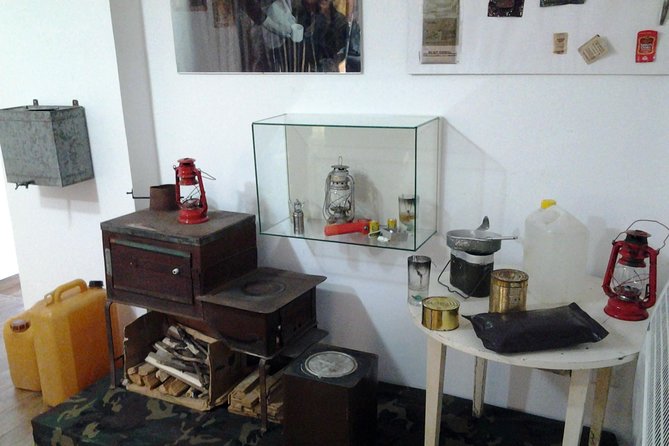
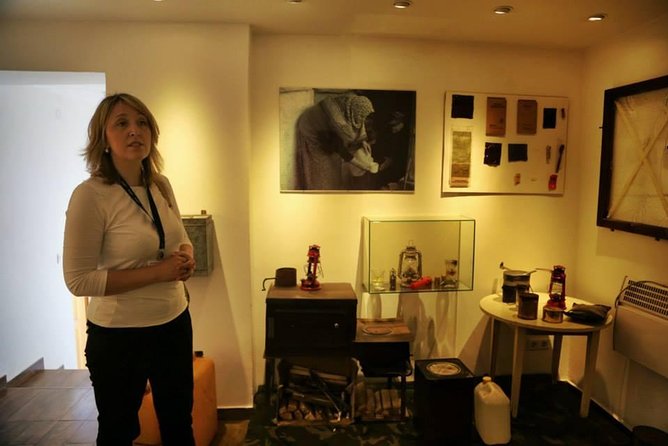
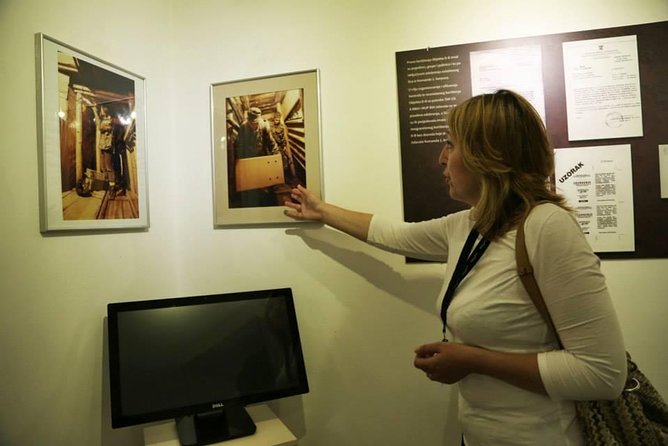
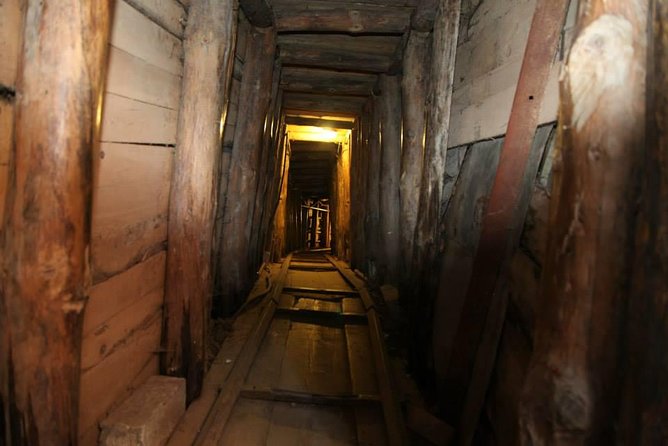
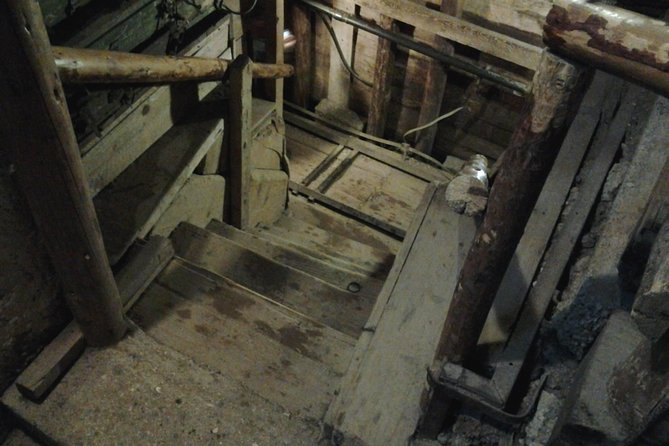
The War Tunnel museum is the heart of this experience. The tunnel was built during the siege to allow food, supplies, and aid to move into Sarajevo. You watch a short video about the siege, receive a guided explanation of the grounds, and enter a brief section of the tunnel.
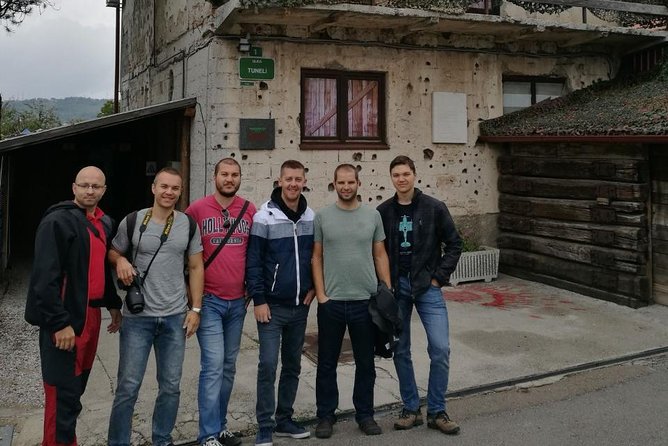
You also see the house where the tunnel was hidden. That detail makes the site especially powerful. The route was not some distant military project. It was concealed beneath an ordinary home, turning a domestic space into part of a lifeline for the city.
The tunnel walk is brief, so you should not expect to travel through the entire passage. The experience is about understanding its purpose and the conditions surrounding it. The short film helps set the scene before you enter, while the guide connects the museum grounds and the house to the wider story.
The museum ticket is not included in the tour price. This is the main extra cost to plan for, and you should check the current admission price when booking. Even with that additional ticket, the overall package offers solid value at $34.91 per person, especially because transport, guide service, hotel pickup, and bottled water are included.
The Tunnel of Hope can be emotionally heavy. You may find the confined passage uncomfortable, and the wartime material is not softened for easy sightseeing. That is part of its value, but it also means you should allow yourself time afterward to process what you have seen.
Trebević Mountain and the abandoned bobsleigh track
After the tunnel, the vehicle heads up Trebević, the Olympic mountain above Sarajevo. The mountain hosted the Winter Olympic Games and later became a front-line area during the siege.
The bobsleigh and luge track is one of the most striking stops. It is now abandoned, and you can walk on part of the track. The concrete curves and empty structure create a strong visual link between Sarajevo’s Olympic ambitions and the violence that followed.
This is also the tour’s best viewpoint. From Trebević, you can see Sarajevo spread below the mountain. That view is not just scenic. It helps you understand the city’s position in the valley and why the surrounding heights mattered so much during the siege.
The stop lasts about 30 minutes. That gives you time to walk on the track and take in the panorama, though not necessarily enough for a long mountain visit. Wear sensible shoes, since the track is an abandoned site rather than a polished attraction.
If you are mainly interested in war history, the Olympic connection may seem like a side note. I think it improves the tour by showing what Sarajevo was before the conflict and how the same mountain could serve both recreation and military purposes at different times.
The Jewish Cemetery and Sarajevo’s exposed hillside
The Jewish Cemetery Sarajevo is a quiet but important stop. During the conflict, it was used as part of the front line. Its elevated position looked over much of the city, and Bosnian Serb Army snipers used the area to fire at civilians below.
The cemetery’s tombstones are distinctive, with forms that are unusual in Sarajevo and elsewhere in Europe. Fighting damaged many of them, and the marks of shelling and gunfire remain part of the site’s story.
You spend about 20 minutes here. That may sound short for a cemetery, but the purpose is focused: understand the position, see the damage, and hear how the site fitted into the siege. The stop is not simply about military geography. It also points to the long Jewish presence in Sarajevo and the loss inflicted on a place of memory.
You should expect a quiet atmosphere rather than a large museum presentation. The guide’s explanation is important because the cemetery’s role may not be obvious from the stones alone.
The Yellow Fortress and Kovači Cemetery
The final major stop is the Yellow Fortress, one of the fortifications that formed part of the defensive wall around Sarajevo. Today it is one of the city’s popular viewpoints, with a broad view over the rooftops and surrounding hills.
From here, you can also see Kovači Cemetery, where defenders from the Siege of Sarajevo are buried. Bosnia and Herzegovina’s first president is buried there as well. The viewpoint therefore brings together military history, political history, and the city’s present-day appearance.
The visit lasts about 20 minutes. It is enough to understand the fortification and enjoy the view, but you should not expect a long independent visit. The stop works particularly well near the end because you have already seen the streets, tunnel, mountain, and cemetery. From above, those parts of Sarajevo begin to form one picture.
I like the way the tour ends with a view rather than with another enclosed museum. The subject remains serious, but the elevated position gives you room to reflect and see the city as a living place rather than only as a war site.
What the $34.91 price includes
At $34.91 per person, the tour is priced sensibly for a private four-hour outing. The package includes:
- A licensed guide and driver
- Air-conditioned vehicle transport
- Hotel pickup
- Bottled water
- A private tour for your group
The museum ticket for the War Tunnel is extra. That omission is worth noting, but it is clearly defined and does not undermine the basic value of the tour.
A private vehicle matters in Sarajevo because the route moves between the city center, the stadium, the tunnel, Trebević, the Jewish Cemetery, and the Yellow Fortress. You avoid arranging separate taxis or trying to fit several hillside sites into a short visit.
I would consider this especially good value for a couple, family, or small group that wants a focused introduction to the war. Solo visitors may pay more overall because the price is per person, but the private format still offers a more personal pace than a large group outing.
The tour is often booked about 119 days ahead. That suggests you should reserve early if your Sarajevo dates are fixed, especially if you want hotel pickup or a particular guide. Confirmation arrives at booking, and free cancellation is available up to 24 hours before the start time. Cancellations inside that window are not refunded.
Who should book this experience?
I would choose this tour if you have limited time in Sarajevo and want the main siege sites explained in one organized route. It suits visitors who want personal stories, clear historical context, and transportation between locations that are not all convenient to connect independently.
It is also a good choice if you want to see more than war memorials. The Olympic stadium, bobsleigh track, city hall, civic buildings, mountain views, and fortifications give the tour a wider frame.
I would be cautious about booking it for very young children, not because the tour data sets an age limit, but because the subject is painful and the experience includes a cemetery, sniper positions, shelling, and civilian danger. Most visitors can participate, and service animals are allowed, but the emotional demands deserve more thought than the physical ones.
You should also allow extra time elsewhere in your Sarajevo visit for museums, markets, and ordinary city life. This tour explains the siege, but it should not become your only picture of Sarajevo.
Should you book the Siege of Sarajevo Tour?
Book it if you want a serious, well-organized introduction to Sarajevo’s recent past and prefer a private guide to a self-guided route. The Tunnel of Hope, sniper-lined boulevard, Jewish Cemetery, and Yellow Fortress each show a different part of the siege, while Trebević adds the powerful contrast of Olympic history and wartime destruction.
The strongest reason to choose it is the guide-led storytelling. Danijela’s punctual hotel pickup and personal approach received especially warm praise, and that human connection can make the four-hour schedule feel much shorter.
Skip it if you want a relaxed sightseeing outing with little discussion of violence. For everyone else, the combination of access, transport, viewpoints, and personal explanation makes this one of the more useful ways to begin understanding Sarajevo.
FAQ
How long is the Siege of Sarajevo Tour?
The experience lasts approximately four hours.
Where does the tour begin?
The standard meeting point is Sarajevo City Hall at Brodac 1, Sarajevo 71000, Bosnia and Herzegovina.
Where does the tour end?
The activity ends back at the Sarajevo City Hall meeting point.
Is hotel pickup available?
Yes. Hotel pickup is offered and is included in the tour.
Is this a private tour?
Yes. Only your group participates in the activity.
Is transportation provided?
Yes. The tour includes an air-conditioned vehicle with a licensed guide and driver.
Is the War Tunnel museum ticket included?
No. Admission to the War Tunnel museum is not included in the tour price.
What sites are visited?
The route includes Sarajevo City Hall, the Markale green market, the Presidency building, Sarajevo’s main boulevard, Asim Ferhatovic Hase Stadium, the War Tunnel, Trebević’s Olympic bobsleigh and luge track, the Jewish Cemetery, and the Yellow Fortress.
Can I cancel for a full refund?
Yes. You can cancel at least 24 hours before the experience start time for a full refund. Cancellations or changes made less than 24 hours before the start time are not accepted and are not refunded.
Just added around Sarajevo
- Srebrenica Genocide Tour from Sarajevo★ 4.5 · 3 reviews
- Mountain Village Lukomir Full Day Adventure Tour★ 5.0 · 3 reviews
- MTB Bjelasnica – Lukomir★ 5.0 · 3 reviews
- Sarajevo Under Siege: A City’s Struggle & Survival Tour★ 5.0 · 3 reviews
- Herzegovina Tour from Sarajevo: Mostar, Počitelj, Blagaj, Kravice★ 5.0 · 3 reviews
- Bosnian Kingdom Capitals: Travnik & Jajce Tour from Sarajevo★ 5.0 · 3 reviews
- Beautiful Bosnia 8 Days Tour Package★ 5.0 · 3 reviews
- Walking Tour in Sarajevo★ 5.0 · 3 reviews
Bosnian War History Tours, compared.

Fall of Yugoslavia, Sarajevo War Tour with Tunnel of Hope Museum and Frontlines
Read our review →
ROSES OF SARAJEVO (Official WAR + CITY tour)- Story of a Survivor
Read our review →
Tunnel Museum: Bosnian & Yugoslav Wars Tour with War Veteran
Read our review →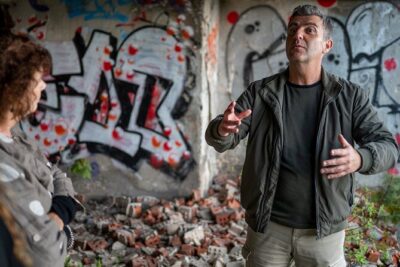
Sarajevo War Tour: A Veteran’s Story of the Siege (fees included)
Read our review →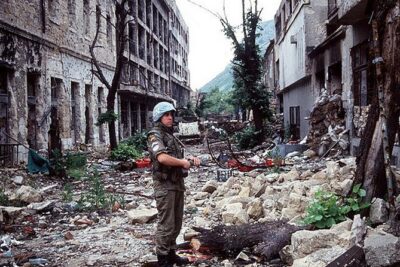
Break-up of Yugoslavia & The War in Mostar: Life Under Siege
Read our review →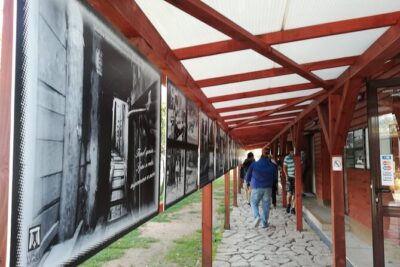
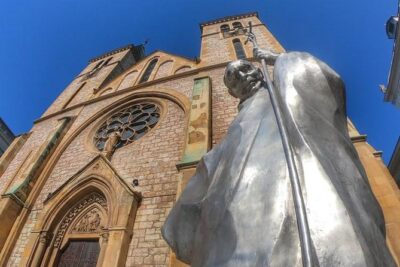
Sarajevo Grand Tour: Old Town, War Tunnel, Olympic Sites & More
Read our review →Browse the lists this tour appears in