
REVIEW · YUGOSLAVIA & OLYMPIC HISTORY TOURS
Cable Car Olympic Tour With Museum
See Sarajevo from above and below. This four-hour outing links the city’s Ottoman, Austro-Hungarian, wartime, and Olympic stories in one compact trip, with a cable-car ride up Trebević Mountain as its centerpiece. You also walk part of the famous Olympic bobsleigh track and visit the Olympic Museum.
I like the small maximum of 15 people, which gives you a better chance to hear the guide during the walking portions. I also like the mix of city sights and mountain air, since you are not spending the whole morning inside museums or on crowded streets.
The main point to check before booking is the cost. Although the tour description highlights a cable-car return and museum admission, the detailed price information lists both as extra: 30 BAM for the cable car and 12 BAM for the Olympic Museum. The tour price is $30.04 per person, so budget for those fees unless the operator confirms they are included.
In This Review
- Key points at a glance
- Why this tour works in Sarajevo
- Latin Bridge and the Sarajevo story
- Three faiths and one famous brewery
- Riding the 2,100-meter cable car
- Trebević, Sarajevo’s nearby mountain escape
- Walking the Olympic bobsleigh track
- Baščaršija and Sarajevo’s meeting point
- The Olympic Museum and what to expect
- Price, group size, and practical value
- Who should book this experience
- Should you book the Cable Car Olympic Tour?
- FAQ
- How long does the Cable Car Olympic Tour With Museum last?
- Where does the tour start and finish?
- What time does the tour begin?
- Is the tour offered in English?
- How many people can join the tour?
- Are the cable-car ticket and Olympic Museum entrance included?
- What happens if the cable car is not operating?
Key points at a glance
- The cable car climbs 2,100 meters from Bistrik to Trebević, giving you a quick change from Sarajevo’s historic center to a wooded mountain setting.
- The Olympic bobsleigh track is the tour’s most unusual stop, combining 1984 Winter Olympic history with an outdoor walk.
- The group is capped at 15 people, a useful size for questions and guide commentary.
- The tour begins with major Old Town landmarks, including Latin Bridge, the Emperor’s Mosque, and the Sarajevo Brewery.
- Guides speak English, German, and Croatian, with Dennis, Denis, and Medina praised for clear explanations and personal Sarajevo insight.
- You should expect hills and stairs, so average to good physical fitness will make the morning much easier.
Why this tour works in Sarajevo
Sarajevo is compact, but its story is layered. Within a short walk, you can pass an Ottoman mosque, a Catholic church, an Austro-Hungarian building, and a place tied to the outbreak of the First World War. Then the cable car carries you from the old city to Trebević, a mountain closely tied to everyday Sarajevo life and the 1984 Winter Olympics.
That range is the real value here. You are not simply riding a cable car to a viewpoint. You are using the ride to connect the city’s past with its mountain recreation, then returning to the center for more landmarks and the Olympic Museum.
The tour starts at Sarajevo Insider, at Zelenih beretki 30, at 10:00 a.m. It ends back at the same meeting point. The advertised duration is about four hours, though the pace may vary depending on walking time, cable-car operations, and the group.
The activity is offered in English, with German and Croatian also listed among the guide languages. Past feedback gives especially strong marks to Dennis, Denis, and Medina. Dennis was praised for his polite, well-informed commentary on both Sarajevo and Bosnia, while Medina received warm remarks for her English and for sharing personal insight about growing up in the city.
More Yugoslav-era history tours:
- Fall of Yugoslavia, Sarajevo War Tour with Tunnel of Hope Museum and Frontlines
★ 5.0 · 1,314 reviews - Tunnel Museum: Bosnian & Yugoslav Wars Tour with War Veteran
★ 5.0 · 551 reviews - Sarajevo Grand Tour: Old Town, War Tunnel, Olympic Sites & More
★ 5.0 · 73 reviews
Latin Bridge and the Sarajevo story
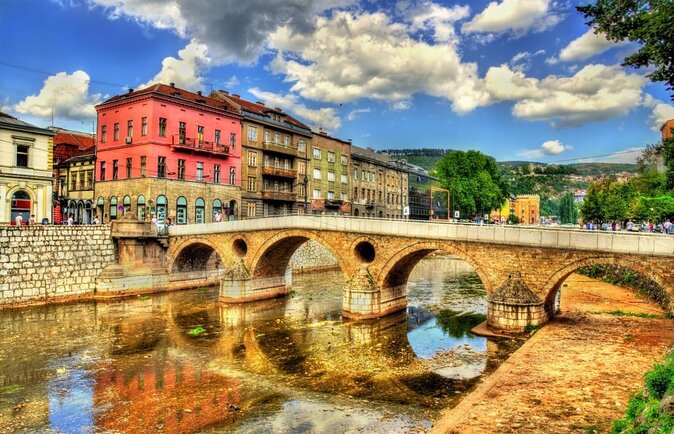
The first stop is Latin Bridge, one of Sarajevo’s most important historical markers. The bridge takes its name from the neighborhood on the left bank of the Miljacka River, where Sarajevo’s Catholic community lived.
From 1918 to 1993, it was called Princip’s Bridge, after Gavrilo Princip. He was only a few meters away when he assassinated Archduke Franz Ferdinand and his wife, Sophie. That event, known as the Sarajevo Assassination, helped trigger the First World War.
The stop is listed as five minutes, so you should expect a short explanation rather than a long museum-style visit. That is enough time to place the bridge in the city’s story, but not enough for a detailed examination of every nearby building.
This is one reason the guide matters. A strong explanation can turn an ordinary-looking crossing into a place with international importance. Denis and Dennis were especially praised for pointing out details that are easy to miss, which is useful in a fast-moving morning like this.
Three faiths and one famous brewery
The next stops offer a quick look at Sarajevo’s religious and cultural mix.
The Emperor’s Mosque is Sarajevo’s oldest mosque and one of the oldest in Bosnia and Herzegovina. It is thought to have been built soon after Sarajevo’s founding in 1462, in honor of Sultan Mehmed II, known as Mehmed the Conqueror. The mosque is associated with Isa Bey Ishaković, the founder of Sarajevo.
You spend about five minutes here, with free admission. Treat it as an outside orientation stop unless the guide gives you more time. Its importance is less about a long visit and more about understanding the Ottoman roots of the city.
The Church of Saint Anthony of Padua follows. This is a Franciscan neo-Gothic church, a sharp visual contrast to the mosque. The ten-minute stop gives the guide a chance to explain another part of Sarajevo’s religious life and architectural character.
The Sarajevo Brewery comes next. Founded in 1864, it is Bosnia and Herzegovina’s oldest and best-known brewery. The tour allows only about five minutes here, so this is not a brewery tasting visit. Instead, it adds another layer to the city’s past and gives you a quick look at a long-running local institution.
These short stops work best if you want a broad introduction. If you prefer lengthy visits at each monument, the schedule may feel brisk.
Riding the 2,100-meter cable car
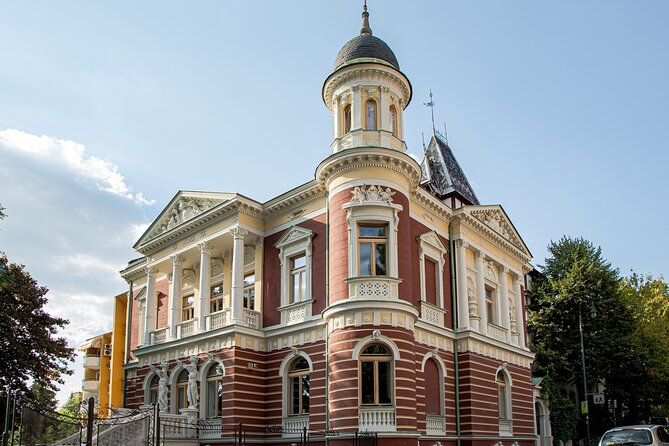
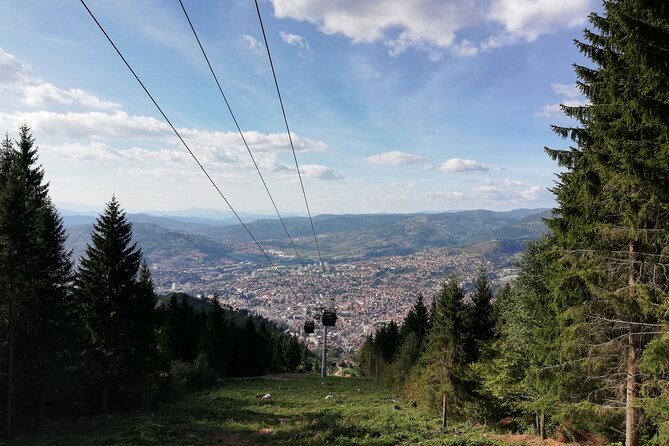
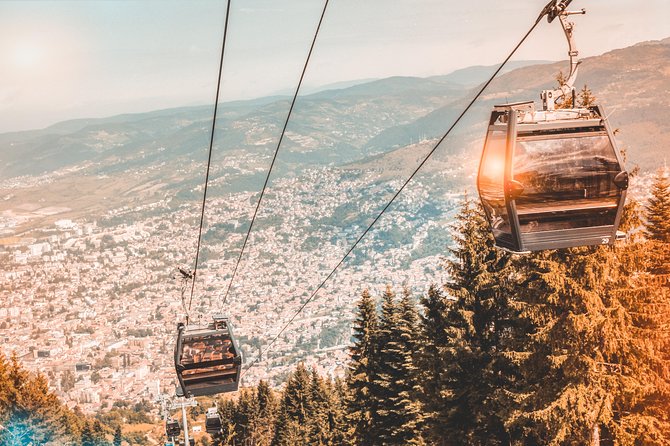
The Sarajevo Cable Car begins in Bistrik, on the left side of the Miljacka, and climbs to Trebević. The system stretches 2,100 meters and connects the city with what locals call the lungs of Sarajevo.
The ride itself takes about 15 minutes according to the planned schedule. That is enough time to watch the city drop away and the mountain setting come into view. The cable car offers wide views over Sarajevo, making it one of the most memorable parts of the morning.
The line once carried people from Bistrik to Trebević and the Olympic bobsleigh track. War damage destroyed the cable car, but it was renovated and reopened in 2018. That repair gives the ride a modern role while keeping its place in Sarajevo’s older recreation tradition.
There is an important price detail here. The tour information lists a return cable-car ticket at 30 BAM, or about €15.50, per person under exclusions. Elsewhere, the highlights describe the cable-car return ticket as included. Because those statements conflict, confirm the current arrangement before you pay. If it is not included, the additional fee is significant compared with the base tour price.
More museums and galleries:
- Tunnel of Hope Museum Tour
★ 5.0 · 38 reviews - SARAJEVO CONCEPTUAL ART TOUR (galleries, art and arhitecture)
★ 5.0 · 7 reviews - Sarajevo: A City Under Siege – War Tour With Tunnel Museum
★ 5.0 · 4 reviews
Trebević, Sarajevo’s nearby mountain escape
At Trebević, the city feels much farther away than it really is. The mountain rises over Sarajevo’s southern side and has long been a favored place for local outings. Before the war, many Sarajevans used the cable car to reach the mountain and the Olympic track.
The tour allows about one hour at Trebević. You will hear more about Sarajevo’s Winter Olympic connection and have time to enjoy the mountain setting before walking toward the bobsleigh track.
Do not read the word mountain as a promise of a strenuous hike. The tour uses the accessible cable-car route and includes a walk, but you should still expect uneven ground, slopes, and some stairs. The operator advises a moderate level of fitness. One person who enjoyed the tour described the hills and stairs as manageable for someone in average to good health, which is a useful guide for most visitors.
Trebević is close to the city, but the change in atmosphere is striking. The cable car saves you from a longer road journey and makes it possible to pair a mountain visit with central Sarajevo in a single morning.
Walking the Olympic bobsleigh track
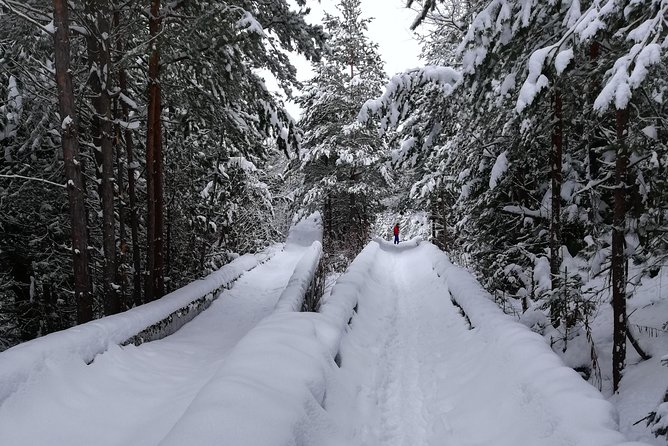
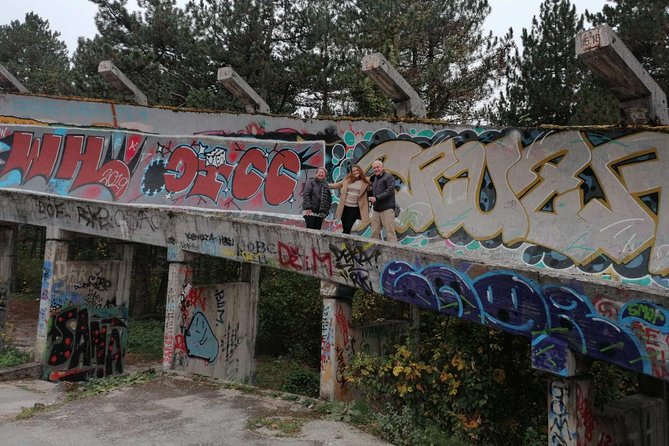
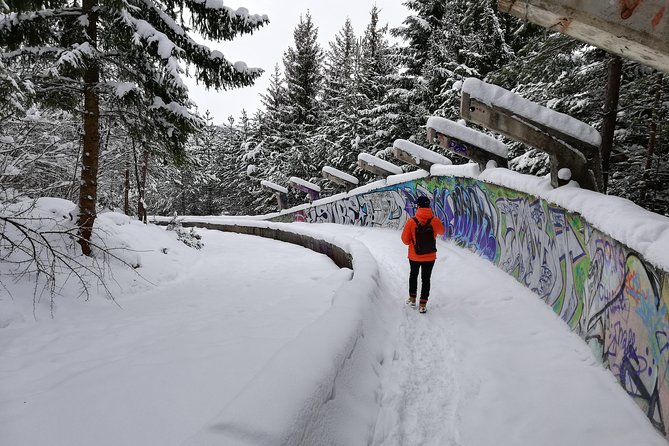
The Sarajevo Olympic Bobsleigh and Luge Track is the tour’s strongest reason to book. It is not a polished stadium attraction. You walk along an iconic track in a setting where Olympic history and nature now meet.
The track dates from Sarajevo’s hosting of the 1984 Winter Olympics. Its later wartime history gives the site an additional seriousness, though the supplied details do not set out a full war tour or dedicated military explanation. Your guide is the person to ask if you want more context.
The scheduled visit lasts about 30 minutes. That is enough for a walk and a clear introduction, but not a lengthy exploration. Wear shoes suited to hills and uneven paths, and keep in mind that this is an outdoor stop.
This part may appeal most to people who enjoy seeing historic places in their actual setting. You are not just looking at Olympic objects behind glass. You are walking on the track itself, with Trebević around you.
The track also makes the tour worthwhile for people who are not serious Olympic fans. It is an unusual sight, and it connects Sarajevo’s sporting past with the scars and renewal of the city.
Baščaršija and Sarajevo’s meeting point
After Trebević, the tour returns to central Sarajevo and stops in Baščaršija. This historic bazaar is known for crafts, food, and traditional city life. The scheduled time is 15 minutes, so use it to get your bearings and enjoy the feel of the old commercial quarter rather than planning a full meal or shopping session.
The short stop can be useful after the mountain section. You return to the city’s streets, sounds, and everyday activity before the final museum visit.
The Sarajevo Meeting of Culture is next. It marks the point where East meets West in the city’s built environment and traditions. The stop lasts only two minutes, so expect a quick explanation and perhaps a photograph.
These final city stops show why Sarajevo is such a good place for a mixed history tour. The city does not separate its Ottoman and European identities into distant districts. They appear close together, often within a few minutes’ walk.
The Olympic Museum and what to expect
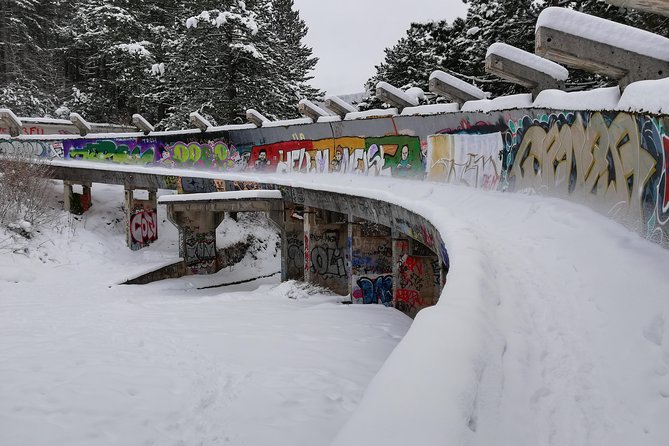
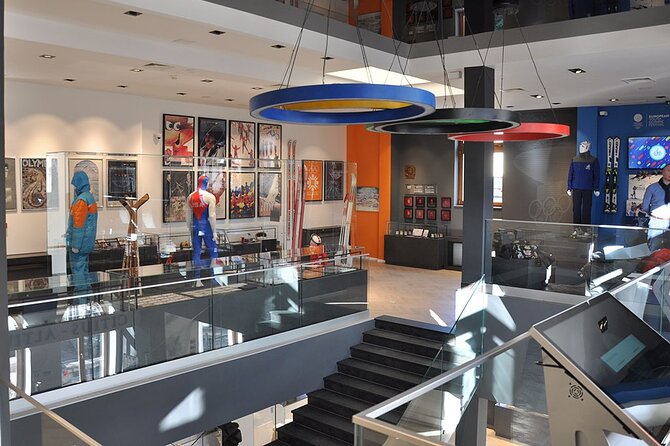
The final major stop is the Olympic Museum, with about 40 minutes scheduled. It presents artifacts, stories, and memorabilia from Sarajevo’s role as host of the 1984 Winter Olympics.
The museum gives you a more structured look at the Games after seeing the bobsleigh track in person. That order is helpful. First, you experience the physical site on Trebević. Then you return to objects and stories that explain Sarajevo’s Olympic pride.
The museum entrance is listed separately at 12 BAM, or about €6.50, per person. Again, the tour description is inconsistent because one section suggests museum admission is included while another lists this fee as not included. Check before booking, especially if you are comparing the total cost with a self-guided visit.
One piece of direct feedback described the museum as modest rather than extraordinary and noted that it was about a 30-minute walk from the bottom of the hill. The planned tour, however, includes it as the final stop after the city and mountain sections. Keep your expectations sensible: this is a focused Olympic museum, not a huge international sports institution.
Price, group size, and practical value
The base price is $30.04 per person. At that rate, the tour offers a guide, roughly four hours of structured sightseeing, the Old Town walk, the mountain visit, the bobsleigh track, and the return to the starting point.
The value depends on the ticket fees. If you must add 30 BAM for the cable car and 12 BAM for the museum, the total rises considerably. That can still be fair for the convenience and guide, but it is no longer a very cheap half-day outing.
A self-guided version is possible. You can ride the cable car, walk around Trebević, follow the bobsleigh track, and visit the museum on your own. The advantage of this tour is the historical thread. You do not need to work out how Latin Bridge, Sarajevo’s religious buildings, the cable car, and the Olympics fit together.
The maximum group size of 15 is another plus. It is small enough for questions without promising a private tour. The strongest praise centers on the guides, especially their Sarajevo knowledge, courtesy, and ability to point out things you might otherwise miss.
The tour is recommended by 100 percent of the 17 submitted participants, with a 4.9 rating. That is a very positive record, though the sample is small. The feedback also reveals the most important practical issue: the cable car may not always operate. On one occasion, Medina replaced the mountain ride with a city walking tour and included local Bosnian coffee as part of the alternative experience.
That flexibility is reassuring, but you should still understand that the exact experience can change because of operations or weather.
Who should book this experience
I would choose this tour if you want Sarajevo’s main stories explained in one morning and like the idea of mixing city walking with an outdoor mountain stop.
It suits:
- First-time visitors who want a broad introduction
- Olympic history fans
- People interested in Sarajevo’s Ottoman and European mix
- Visitors who prefer a guide to planning several separate stops
- Those comfortable with hills, stairs, and a moderate amount of walking
- Small groups who value the chance to ask questions
I would hesitate if you want a relaxed museum day, dislike slopes, or plan to spend a long time at each monument. The first four city stops are brief, and the Olympic Museum is not described as a large or elaborate institution.
Also check the cable-car status and ticket policy before setting out. If the cable car is closed, the operator may provide a different city experience, but that is not the same as reaching Trebević and walking the track.
Should you book the Cable Car Olympic Tour?
Book it if the cable car and bobsleigh track are high on your Sarajevo wish list, and you want a local guide to connect them with the city’s larger story. Dennis, Denis, and Medina received particularly warm praise, and the small group limit improves the experience.
The tour is less compelling if you only want a cable-car ride or a long Olympic Museum visit. You can arrange the mountain portion independently, and the museum may feel modest for its separate fee.
Before paying, ask the operator to confirm two things: whether the 30 BAM cable-car return and 12 BAM museum entrance are included, and whether the cable car is running on your date. With those points clear, this is a useful, well-paced introduction to Sarajevo’s city center and Olympic mountain heritage.
FAQ
How long does the Cable Car Olympic Tour With Museum last?
The experience lasts approximately four hours.
Where does the tour start and finish?
It starts at Sarajevo Insider, Zelenih beretki 30, Sarajevo 71000, Bosnia and Herzegovina. It ends back at the same meeting point.
What time does the tour begin?
The scheduled start time is 10:00 a.m.
Is the tour offered in English?
Yes. English is offered, and the included guide languages are English, German, and Croatian.
How many people can join the tour?
The group has a maximum of 15 participants.
Are the cable-car ticket and Olympic Museum entrance included?
The supplied price details are inconsistent. One section describes both as included, while the exclusions list a 30 BAM cable-car return ticket and a 12 BAM Olympic Museum entrance fee. Confirm the current policy with the operator before booking.
What happens if the cable car is not operating?
The operator may provide a different date or experience. One past tour used the time for a city walking tour when the cable cars were not running. Poor weather or failure to meet the minimum group size can also lead to a different date, an alternative experience, or a full refund.
Just added around Sarajevo
- Srebrenica Genocide Tour from Sarajevo★ 4.5 · 3 reviews
- Mountain Village Lukomir Full Day Adventure Tour★ 5.0 · 3 reviews
- MTB Bjelasnica – Lukomir★ 5.0 · 3 reviews
- Sarajevo Under Siege: A City’s Struggle & Survival Tour★ 5.0 · 3 reviews
- Herzegovina Tour from Sarajevo: Mostar, Počitelj, Blagaj, Kravice★ 5.0 · 3 reviews
- Beautiful Bosnia 8 Days Tour Package★ 5.0 · 3 reviews
- Bosnian Kingdom Capitals: Travnik & Jajce Tour from Sarajevo★ 5.0 · 3 reviews
- Walking Tour in Sarajevo★ 5.0 · 3 reviews
Yugoslavia & Olympic History Tours, compared.

Fall of Yugoslavia, Sarajevo War Tour with Tunnel of Hope Museum and Frontlines
Read our review →
Tunnel Museum: Bosnian & Yugoslav Wars Tour with War Veteran
Read our review →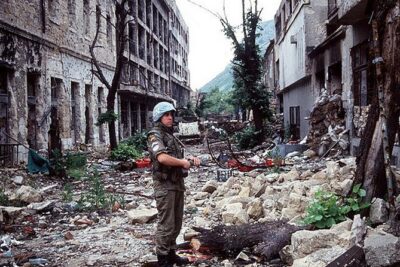
Break-up of Yugoslavia & The War in Mostar: Life Under Siege
Read our review →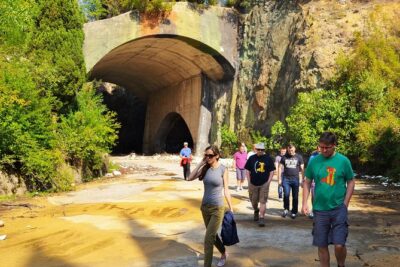
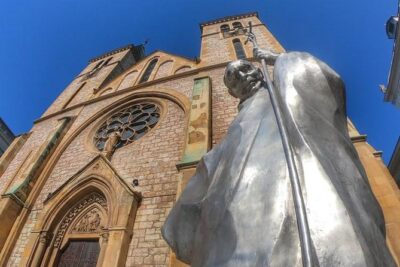
Sarajevo Grand Tour: Old Town, War Tunnel, Olympic Sites & More
Read our review →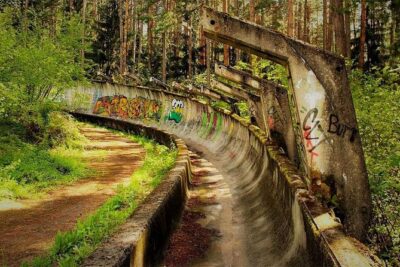
Utopia of Tito’s Yugoslavia, Tito’s Bunker & Siege of Sarajevo
Read our review →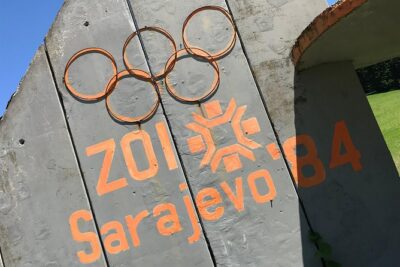
Olympic Mountains and Spring of Bosna River Tour
Read our review →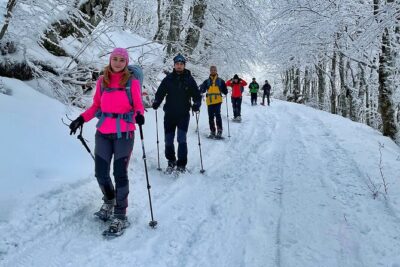
Experience Snowshoeing in Olympic Mountain Bjelašnica
Read our review →Browse the lists this tour appears in